Mix Wood Tones in Interior Design Like a Modern Pro
Published on Jun 14, 2026
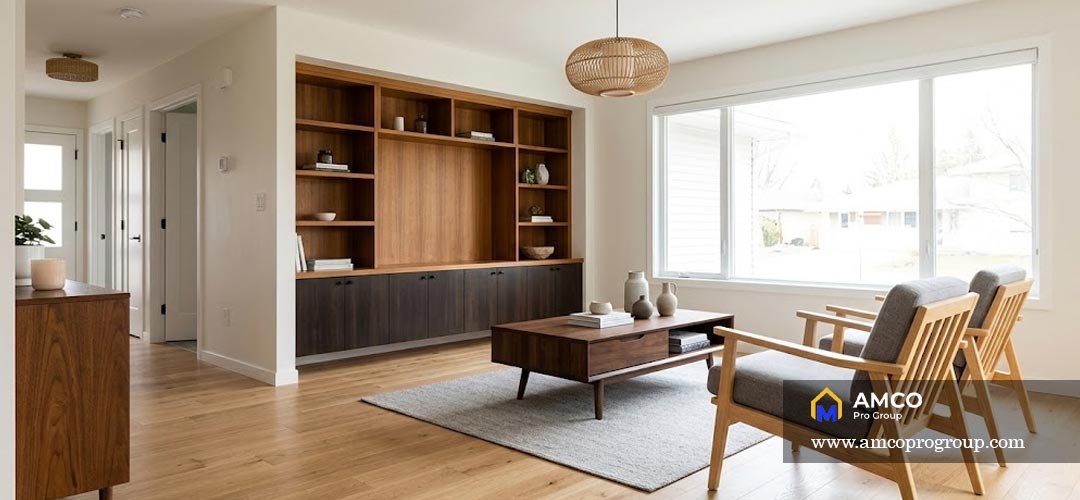
Tired of your modern home feeling a bit… flat? You’ve probably heard that mixing wood tones is key to adding depth and personality, but the fear of creating a chaotic, mismatched look often holds people back. It’s a common challenge: how do you achieve that sophisticated, layered look without it feeling accidental?
The secret lies in understanding a few core principles and applying them with intention, especially within the clean lines of modern design. Forget the old rule that everything must match. Instead, let’s explore how to harmonize different wood finishes to create spaces that feel curated, warm, and undeniably stylish—principles we consistently apply in our modern interior design services leawood.
Why Wood Tones Matter in Modern Design
Wood is more than just a material; it’s a fundamental element that brings warmth, texture, and character to any space. In modern interiors, where simplicity and functionality often take center stage, the thoughtful integration of wood tones can elevate the entire aesthetic. By staying updated with current modern interior design trends , you can ensure your space feels fresh and contemporary rather than sterile or cold
The Role of Wood in Contemporary Interiors
Modern design often embraces natural materials. Wood, with its inherent variations in grain, color, and texture, offers an organic counterpoint to sleek surfaces like concrete, metal, and glass. It grounds a space, adding a sense of history and comfort that is crucial for creating a truly livable home. This balance is a hallmark of warm minimalist interior design , where the goal is to maintain simplicity without sacrificing the “soul” or comfort of the room.
Common Wood Tone Categories (Light, Medium, Dark, Whitewashed, Gray-toned)
To mix wood tones effectively, it helps to categorize them. Think of these as your basic palette:
● Light Woods: Think pale oak, maple, or ash. These bring an airy, Scandinavian feel and make spaces feel larger.
● Medium Woods: Walnut, cherry, or teak fall here. They offer a classic warmth and are versatile anchors.
● Dark Woods: Mahogany, espresso-stained woods, or ebony provide drama, depth, and a touch of luxury.
● Whitewashed & Gray-toned Woods: These offer a more muted, contemporary feel, often used to achieve a relaxed or coastal modern vibe.
The Impact of Undertones (Warm vs. Cool)
This is where many get tripped up. Just like paint colors, woods have undertones.
● Warm undertones: Reds, yellows, oranges (e.g., cherry, some maples).
● Cool undertones: Blues, grays, greens (e.g., some oaks, ash, weathered woods).
Mixing woods with clashing undertones is the fastest way to an unharmonious look. Understanding these subtle differences is crucial for creating a cohesive scheme. If you’re struggling with identifying these, a deeper dive into choosing the right wood undertones can provide further clarity.
The Core Principles of Mixing Wood Tones Successfully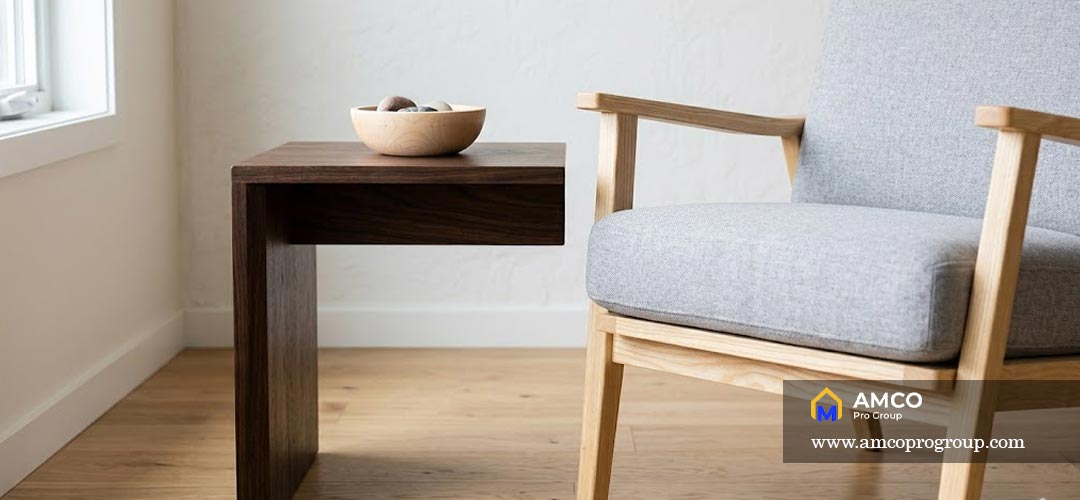
With a basic understanding of wood tones and undertones, we can move to the principles that guide their successful combination. These aren’t rigid laws, but rather guiding lights for creating intentional design.
The Rule of Three (and When to Break It)
A popular design guideline suggests using three different wood tones in a space: one dominant, one secondary, and one accent. This helps create variety without overwhelming the senses. The dominant tone usually covers the largest surface area (like flooring), the secondary is used for key furniture pieces, and the accent appears in smaller details (like picture frames or decorative objects). However, in modern design, sometimes two well-chosen tones or even four carefully balanced ones can work beautifully. The key is intentionality, not adherence to a strict count.
Balancing Finishes: Matte, Satin, High-Gloss
Don’t forget the finish! The sheen level of your wood dramatically impacts its appearance.
● Matte: Subtle, natural, and very modern.
● Satin: A soft sheen, offering a bit more polish than matte.
● High-Gloss: Reflective, luxurious, and can make a statement—use judiciously in modern spaces.
From my experience, mixing finishes (e.g., matte cabinets with a satin dining table) adds another layer of sophistication, provided you avoid common interior design mistakes like clashing undertones. Explore resources on wood finishes explained to understand the impact of each.
Considering Wood Grain and Texture
Beyond color and finish, wood grain and texture play a vital role. A piece with a busy, prominent grain can act as a focal point, while woods with a smoother, more subtle grain can recede. Mixing textures—think a rough-hewn wooden beam alongside a smooth walnut coffee table—adds tactile interest and depth, preventing a space from feeling too uniform.
Key Strategies for Modern Wood Tone Harmony
Now, let’s get practical. How do you apply these principles to create a space that feels both varied and unified?
Using a Dominant Wood Tone as Your Anchor
Start with your largest wood element, often the flooring. Choose a wood tone that sets the overall mood. For a modern home, this might be a light, wide-plank oak for an airy feel, or a medium, smooth walnut for sophisticated warmth. This dominant tone will guide your choices for other wood elements, a strategy often used to achieve high-end looks in modern home design on budget.
Incorporating Accent Woods with Contrasting Undertones
Once your dominant tone is established, introduce a secondary wood. This is where you can play with contrast, but carefully. If your dominant wood is warm, introduce a cool-toned wood, or vice-versa. For example, pair light oak flooring (cool undertones) with a walnut media console (warm undertones). The contrast provides visual interest, but keeping the undertones harmonious prevents clashing.
The Power of a Neutral Wood Connector Piece
Sometimes, bridging two distinct wood tones requires a “connector.” This is a third wood that shares elements with both the dominant and secondary tones, or it could be a neutral wood like a light, desaturated ash or a gray-toned wood. This piece acts as a visual mediator, making the transition between different woods feel more natural.
READ MORE : Neutral Interiors vs Bold Interiors
Layering Different Textures (e.g., smooth, rough, reclaimed)
Don’t be afraid to mix different surface treatments. A modern space can beautifully incorporate a smooth, lacquered wood piece alongside a more rustic, reclaimed wood accent. This textural play adds depth and prevents the space from feeling too polished or sterile. It’s about creating a tactile dialogue between the elements.
Visualizing Wood Tones in Modern Room Design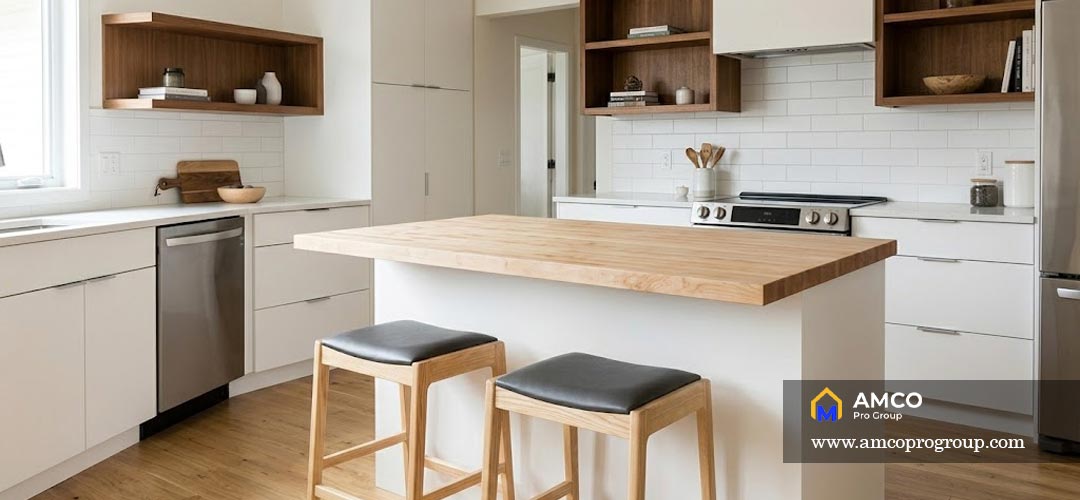
Inspiration often comes from seeing how these principles translate into real spaces. Here are examples tailored for modern homes:
Living Room Examples: Flooring, Furniture, Accents
Imagine light, matte-finished white oak floors. Layer this with a medium walnut sofa frame and a darker, ebonized wood side table. Accent pieces could include lighter maple picture frames or a birch wood decorative bowl. This creates depth without feeling busy.
Bedroom Examples: Headboards, Nightstands, Built-ins
A sleek, platform bed in a warm, medium-toned walnut can be paired with minimalist nightstands in a lighter, ash finish. Built-in wardrobes with a simple, shaker-style door in a subtle gray-toned wood can bridge the gap, offering a neutral backdrop.
Kitchen & Dining Examples: Cabinetry, Tables, Chairs
Modern kitchens often feature a mix. Consider matte white or gray cabinets paired with a natural wood island countertop in a durable wood like maple or birch. For the dining area, a dark walnut table can be softened with chairs that incorporate lighter wood, a perfect setup for a modern dining area in open-concept homes.
Entryway & Hallway Ideas
The entryway is the first impression. A console table in a visually interesting, medium-toned wood with a distinct grain can be grounded by simple, lighter wood flooring. Add a mirror with a thin, dark wood frame for a touch of contrast.
Common Pitfalls to Avoid When Mixing Wood Tones
Even with the best intentions, certain mistakes can derail your efforts. Being aware of these common pitfalls is half the battle.
The “Too Matchy-Matchy” Syndrome
This occurs when every single wood element is the exact same shade and finish. While it seems safe, it often results in a flat, uninspired room. The goal is harmony, not monotony.
Ignoring Undertones: The Root of Clashes
As mentioned, this is the most frequent culprit behind discordant wood mixes. A warm cherry table clashing with a cool gray-toned wood floor can immediately make a room feel “off.” Always check undertones.
Overcrowding with Too Many Different Woods
While mixing is good, introducing too many distinct wood tones without a clear hierarchy or connector can lead to visual chaos. Stick to your dominant, secondary, and accent concept, and ensure each piece earns its place.
Mismatched Finishes (e.g., glossy table with matte cabinets)
While mixing finishes can work, doing so haphazardly without considering the overall mood can be jarring. A highly reflective finish next to a completely flat one can pull focus inappropriately, unless done with extreme intentionality.
Advanced Tips for a Polished, Professional Look
Ready to take your wood tone mixing to the next level? These advanced strategies can refine your design.
Using Metal Finishes to Complement Wood Tones
Metal accents are powerful allies in wood tone harmony. Warm metals like brass or oil-rubbed bronze pair beautifully with warm woods, while cooler metals like brushed nickel or black steel can complement cool or neutral wood tones. Use these metals in hardware, lighting fixtures, or furniture legs to tie different wood elements together.
The Role of Paint Colors and Textiles
The colors surrounding your wood elements significantly influence how they are perceived. Cool paint colors can enhance the natural tones in woods, while warm colors can amplify them. Similarly, textiles—rugs, upholstery, curtains—can either harmonize with or clash against your chosen wood palette. Ensure your fabric choices either echo your wood undertones or provide a neutral contrast. These same design principles apply to other spaces in the home as well. For example, when planning a workspace, exploring Modern Home Office Design Ideas can help you see how wood tones, paint colors, and textiles work together to create a balanced and productive environment.
How Lighting Affects Wood Appearance
Don’t underestimate the power of light. Natural daylight can reveal the true undertones of wood, while artificial lighting can cast a warm or cool hue, altering the perception of the wood color. Consider how the lighting in your space will interact with your chosen wood tones throughout the day and night. Dimmers are excellent for adjusting the mood and how woods appear, as explained in our modern interior lighting ideas guide.
Conclusion
Mixing wood tones in a modern home isn’t about rigid rules; it’s about understanding balance, undertones, and texture to create a cohesive and inviting atmosphere. By anchoring your design with a dominant tone and paying attention to finishes, you can build a space that feels layered and sophisticated—let our renovation experts leawood help you execute this vision perfectly.


