Modern vs Contemporary Interior Design
Published on Jul 4, 2026
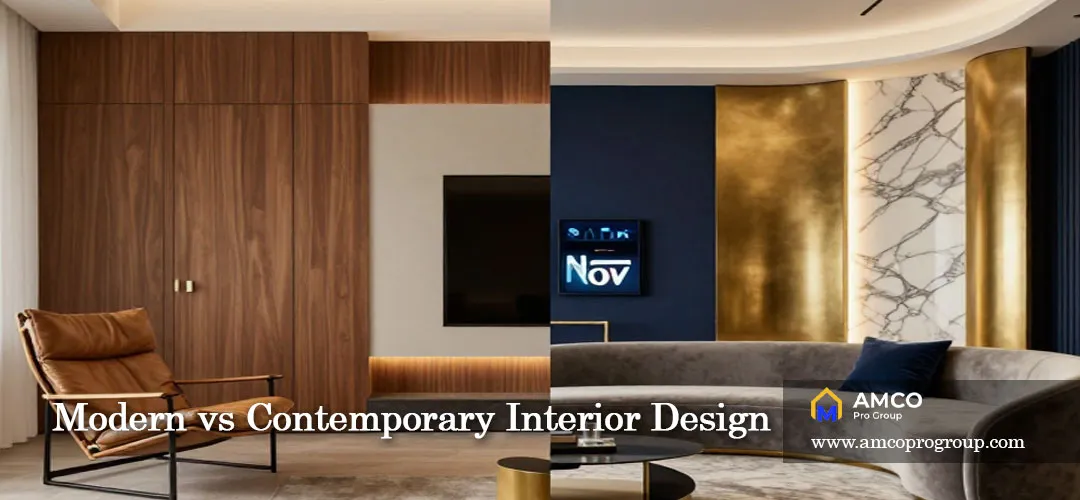
Modern interior design refers to a historical design movement rooted in the early-to-mid 20th century, while contemporary interior design reflects current styles and evolving trends. Whether you are aiming for a timeless mid-century aesthetic or a fresh, current look, hiring professional Modern Interior Design Services Leawood can help you achieve the perfect balance.
But the difference isn’t just academic. It affects how you renovate, furnish, and experience your home. Many people say they want a modern living room, when they’re actually drawn to curved sofas, sculptural lighting, and bold material contrasts — features more closely associated with contemporary interiors.
That confusion can lead to expensive choices and a space that feels visually inconsistent. Once you understand where modern design ends and contemporary design begins, choosing furniture, colors, layouts, and finishes becomes much clearer.
What Is Modern Interior Design?
Modern interior design isn’t simply anything that looks current. It refers to a distinct design movement that emerged in the early to mid‑20th century, heavily influenced by modernist architecture and Bauhaus philosophy. The core goal was to remove ornamentation and allow form and function to define the space. At its heart, modern design principles embrace simplicity, structural honesty, and purpose-driven aesthetics.
Historical Origins of Modern Design
Modern design grew out of a rejection of decorative excess. Victorian interiors were layered, ornate, and heavy. Designers during the mid-century modern period (roughly the 1920s through the 1950s) began pushing back. They prioritized function over embellishment. Clean lines replaced carved moldings. Materials like wood, steel, and glass were used in their natural state rather than disguised. Just as we preserve the integrity of the design, our team also provides expert Stucco Repair & Installation Leawood to ensure your home’s exterior curb appeal matches its modern interior. Movements such as Bauhaus and Scandinavian modernism reinforced the idea that good design should be practical, accessible, and uncluttered. That mid-century modern philosophy still defines many contemporary interiors today.
Key Characteristics of Modern Interior Design
Modern interiors are defined by clarity and structure. Spaces feel open, balanced, and deliberate. Modern furniture is arranged with intention, not just for decoration. The emphasis is on clean horizontal and vertical lines, with symmetry often playing a role. Clutter is minimized—not to create emptiness, but to maintain visual harmony within the modern aesthetic.
Modern Color Palettes and Materials
Modern design typically leans into neutral palettes rooted in nature. Whites, creams, warm browns, muted greens, and earthy tones dominate. If you are designing a kitchen space, choosing the best modern kitchen cabinet colors can help establish this natural, timeless aesthetic.
Instead of relying on decorative color, modern interiors achieve interest through material contrast. Think of walnut wood against white walls, leather against stone, or steel paired with glass. Texture plays a more significant role in modern design than pattern does. To see this in action, you can explore modern bathroom tile ideas to understand how materials and finishes create depth.
Modern Furniture and Architectural Features
Modern furniture is recognizable by its simplicity. Silhouettes are clean, proportions are balanced, and ornamentation is minimal. Low-profile sofas, platform beds, geometric coffee tables, and exposed wooden frames are typical. Architecturally, large windows and open floor plans are common because they emphasize light and spatial flow. Many of today’s minimalist interior design ideas draw directly from these modernist principles.
What Is Contemporary Interior Design?
Contemporary design reflects the present moment. Unlike modern design, it is not tied to a specific historical period. It evolves continuously. What felt contemporary in the 1990s looks different from today’s contemporary interiors. That adaptability is what defines the style. Currently, contemporary design blends minimalism with warmth, organic shapes, sustainability, and technology integration.
How Contemporary Style Evolves Over Time
Contemporary interiors absorb influences from architecture, lifestyle shifts, and material innovation. In earlier decades, contemporary spaces leaned glossy and bold. Today, they feel softer and more layered. You’ll see influences from Scandinavian interiors, Japandi design, and eco-conscious materials. Smart-home integration and open concept floor plans also shape contemporary living spaces. Because it adapts, contemporary design often overlaps with trends emerging in architecture and furniture design.
Key Characteristics of Contemporary Design
Right now, contemporary interiors emphasize contrast and flow. Clean lines remain important, but curves and organic shapes are increasingly common. Spaces feel open yet zoned. Furniture may act as sculptural art. Lighting often serves as a focal point rather than a background element. Comfort plays a larger role in contemporary spaces than in traditional minimalism. There is still restraint—but it’s balanced with livability.
Contemporary Color Schemes and Textures
Contemporary interiors typically use neutral foundations but introduce contrast. Black and white palettes are common. So are soft greys paired with natural wood tones. Texture defines the space. Velvet, boucle, matte metals, stone, and glass often appear together. This layering prevents contemporary interiors from feeling flat. Instead of relying heavily on color variation, contemporary design builds depth through tactile contrast.
Contemporary Furniture and Layout Features
Furniture in contemporary interiors often feels sculptural. Curved sofas, oversized sectionals, floating shelves, and statement lighting are common features. Layout is equally important. Contemporary homes frequently incorporate open living-dining-kitchen arrangements. Zoning is achieved through rugs, lighting, or furniture placement rather than walls. You’ll often see inspiration drawn from contemporary kitchen design trends, where clean cabinetry meets bold materials and architectural lighting.
Modern vs Contemporary: Key Differences at a Glance
Although both design styles favor simplicity and clean lines, their core philosophies diverge significantly. Modern design looks backward to a defined historical movement, while contemporary design looks forward and adapts to the present moment.
- Philosophical Roots: Modern design is rooted in the early-to-mid 20th-century movement; contemporary design is fluid and evolves with current trends.
- Color Palettes: Modern interiors lean toward earthy, warm, and natural tones—often derived from established modern interior color palettes while contemporary spaces often feature sharper contrasts, such as black and white, paired with darker, bolder accents.
- Material Authenticity: Modern style prioritizes authentic materials like natural wood, stone, and leather. Contemporary style mixes these with engineered surfaces, matte metals, and innovative, sustainable finishes.
- Shapes & Geometry: Modern interiors favor straight, geometric lines. Contemporary design increasingly embraces curves, organic silhouettes, and sculptural forms.
How Modern and Contemporary Styles Appear in Different Rooms
Understanding these design styles is easiest when you see them applied to specific living spaces. While both prioritize simplicity, they achieve different results through furniture, layout, and atmosphere.
Living Room and Bedroom
A modern living room or bedroom typically feels structured and balanced. Furniture sits low to the ground with clean, simple silhouettes. You will often see wooden coffee tables, leather sofas with slim legs, and warm, neutral palettes of cream and soft brown. The goal is to emphasize natural light and open, airy spaces.
Kitchen and Bathroom
Contemporary kitchens and bathrooms introduce stronger visual statements. In a contemporary bathroom, you’ll find floating vanities, frameless glass showers, and bold lighting fixtures that act as focal points. Integrating curbless shower ideas is another excellent way to create a seamless, open feel that elevates the space.
Which Style Is Right for Your Home?
Modern and contemporary interior design may look similar at first glance, but they are built on different foundations. Modern design offers a timeless, structured aesthetic rooted in the mid-century movement, emphasizing nature and function. Contemporary design offers a flexible, trend-forward approach that blends warmth, innovation, and personality. Choosing between them depends on whether you prefer the history and warmth of mid-century modernism or the evolving, sculptural adaptability of contemporary style.
Modern vs Contemporary Interior Design FAQs
- Is modern interior design the same as contemporary?
No, they are quite different. Modern refers to a specific historical era (early-to-mid 20th century), while contemporary design is fluid, ever-changing, and reflects what is happening in design right now.
- What is the main difference between modern and contemporary style?
The main difference is their focus: modern design is rooted in the past (mid-century roots), focusing on form and function. Contemporary design is focused on the present, incorporating current trends, sustainable materials, and evolving organic shapes.
- Can you mix modern and contemporary furniture?
Yes, absolutely. In fact, many designers use modern furniture as a “base” (due to its clean lines) and layer it with contemporary accessories, lighting, or textiles to add warmth and personality.
- Which style is better for small homes?
Modern design is often excellent for small homes because its emphasis on clean lines, low-profile furniture, and functional, uncluttered space makes smaller areas feel larger and more open.


