Best Modern Kitchen Cabinet Colors for a Stylish, Timeless Kitchen
Published on Jun 14, 2026
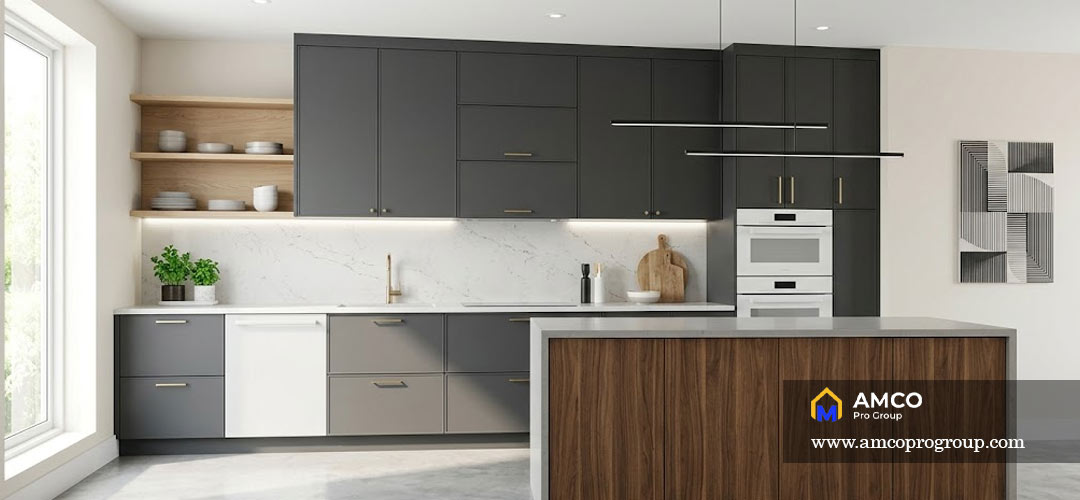
Selecting the right cabinet colors has the power to completely transform your kitchen, shifting it from a dated space into one that feels strikingly modern. Understanding the essence of “modern” in kitchen cabinetry is essential, as explained in timeless modern kitchen design ideas, as well as choosing hues that feel contemporary, sophisticated, and enduring. Rather than chasing fleeting trends, focus on creating an environment that feels inspiring while offering timeless style.
Understanding Modern Kitchen Aesthetics
Modern kitchen design transcends mere appearance; it reflects a broader philosophy centered on simplicity, functionality, and impeccably clean lines. This approach intentionally strips away unnecessary ornamentation—avoiding many of the issues highlighted in common interior design mistakes—and instead directs attention to the core elements that define the space. The result is an environment that feels open, light-filled, and refreshingly uncluttered. This deliberate focus on essentials makes the defining characteristics of modern design—minimalism and purpose-driven form—especially important. Within this framework, color becomes a powerful tool, used not only for visual appeal but also to enhance the sense of space and order. When selecting colors, the goal is often to balance the appeal of current styles with the lasting value of timeless modern shades, ensuring the kitchen remains elegant and relevant for years to come.
Key Characteristics of Modern Design
Minimalism: This is paramount, reflected in the absence of busy patterns, heavy molding, and decorative excess.
Purpose-Driven Functionality: Integrated into every design choice, ensuring that form follows function and daily tasks feel seamless.
Clean Lines: Evident in everything from flat-panel cabinet profiles to seamless appliance integration, creating visual calm.
The Role of Color in Modern Kitchens
Color plays a pivotal role in shaping the modern aesthetic, a concept explored further in the neutral vs bold interiors guide. It can be used to create bold statements, subtle visual interest, or a stronger sense of openness. In modern kitchens, color choices often lean toward sophisticated neutrals, dramatic deep tones, or warm natural hues, all applied with a clear sense of intention.
Timeless vs. Trendy Modern Colors
While trends in modern design may come and go, the core principles remain consistent. Understanding the nuances of modern vs contemporary interior design helps in recognizing that true modern style embraces colors with staying power. This means focusing on palettes that feel sophisticated today and will continue to do so for years to come.
Top Modern Kitchen Cabinet Color Palettes
The choice of cabinet color is a pivotal decision in modern kitchen design, setting the tone and shaping the overall atmosphere of the space. Beyond aesthetics, color plays an important role in defining the kitchen’s style, perceived size, and even its functionality. Modern palettes often lean toward sophistication and intentionality, moving away from ornate or overly decorative choices in favor of colors that enhance the clean lines and functional philosophy of the design. Whether your goal is a serene, airy feel or a dramatic, enveloping ambiance, the right palette can transform a kitchen into a cohesive and stylish sanctuary.
Sleek Neutrals: Whites, Grays, and Beiges
Sleek neutrals form the foundation of modern kitchen design, offering timeless versatility. Crisp white, a perennial favorite, enhances light and creates the illusion of spaciousness, making it ideal for minimalist and Scandinavian styles.
Gray, ranging from soft dove to sophisticated charcoal, offers a chic yet practical alternative and is especially effective at concealing minor smudges.
Warmer beiges and other neutral tones introduce organic comfort, bridging stark modernism with inviting transitional elements. Together, these neutrals act as elegant backdrops, allowing other design features to stand out with understated sophistication.
Bold and Dramatic: Deep Blues, Greens, and Blacks
For a stronger statement, bold and dramatic palettes are an excellent choice. Matte black cabinets offer a high level of sophistication and create a striking focal point, especially when paired with metallic finishes and natural wood.
Deep blues, such as navy or midnight blue, add luxury and depth while offering a softer alternative to black.
Rich greens, including forest and emerald, bring an opulent, nature-inspired quality to the kitchen. When balanced with lighter elements or natural wood, these dramatic hues can create impactful, high-end spaces.
Natural Tones: Wood Finishes and Earthy Hues
Natural tones bring warmth and authenticity to modern kitchens, adding a grounded, organic feel—especially when applied thoughtfully as discussed in mix wood tones interior design. Wood finishes are a timeless choice, ranging from light Scandinavian and Japandi-inspired options such as oak, maple, and birch to richer mid-tones like walnut or cherry, which add depth without feeling heavy. Modern interpretations typically favor clean grain patterns and matte, unadorned finishes that highlight the natural beauty of the wood. Earthy accents—such as muted terracotta, clay, warm taupe, or stone-inspired hues—work especially well on accent cabinets or shelving, creating a space that feels inviting, refined, and subtly luxurious.
Subtle Accents: Pastels and Muted Colors
Subtle accents in pastel and muted tones can soften a modern kitchen and add personality without disrupting its clean, minimalist feel. Shades such as muted blush or dusty rose introduce gentle warmth, while soft sage or mint creates an airy, calming atmosphere. Pale blue or muted lavender can add a quiet sense of character.
These colors work especially well in small kitchens or as the secondary shade in a two-tone scheme. They also look most refined when paired with white, gray, or natural wood, creating a sophisticated accent that still feels timeless.
How to Choose the Right Modern Cabinet Color for Your Space
Selecting a cabinet color is only the beginning. It also needs to work with your kitchen’s size and lighting to create a cohesive modern look. Lighter shades can make smaller or darker kitchens feel more open and airy, while deeper tones often suit larger spaces by adding warmth and depth. Natural light also affects how a color appears, so the same shade may look very different depending on the room—an effect explained in the modern interior lighting ideas guide. Considering these factors helps ensure the final result feels balanced, practical, and visually harmonious.
Pairing Cabinet Colors with Countertops and Backsplashes
This is where a cohesive kitchen design truly comes together. Your cabinet color should work in harmony with your countertops and backsplash so the entire space feels intentional and unified. In general, lighter cabinets are the most versatile and pair easily with a wide range of materials and patterns, while darker or more saturated cabinet colors often look best with lighter countertops to keep the kitchen feeling balanced and bright. With natural wood cabinets, simpler countertop and backsplash choices usually work best so the wood grain remains the focal point. The goal is to avoid allowing any one surface to overpower the others and instead create a clean, modern look in which every element supports the overall palette.
Coordinating with Flooring and Wall Colors
Cabinet color should also be considered in relation to the rest of the kitchen’s visual elements, especially the flooring and wall color. A well-chosen cabinet shade should complement the floor rather than compete with it, which is why simpler cabinet colors often work best when the flooring has strong patterns or pronounced visual texture. In contrast, more understated floors can support bolder cabinet choices. Wall color also plays an important role in shaping the overall atmosphere. Keeping cabinets and walls within a similar tonal family can create a calm, modern look, while greater contrast can help the cabinetry stand out and define the space more clearly.
Appliance Finishes and Hardware Integration
The final details—appliances and hardware—can make your cabinet color feel more polished and intentional. Appliance finishes play a major role in the overall modern look. For example, stainless steel is a reliable classic that suits almost any palette, while black stainless steel can appear especially sleek and cohesive alongside darker cabinetry.
White appliances can blend seamlessly with light cabinets or create a crisp contrast when paired with deeper tones.
Material and Finish Considerations for Modern Cabinets
The material and finish of your cabinets have a major influence on both their modern appeal and their long-term practicality, especially when comparing options like matte vs satin cabinet finish. In particular, the choice between matte and glossy finishes can shape the entire feel of the kitchen.
Matte finishes have become especially popular in modern spaces because they offer a soft, refined look that diffuses light and reduces glare, while also doing a better job of concealing fingerprints and smudges.
Glossy finishes, by contrast, reflect more light and can make a kitchen feel brighter, sleeker, and more contemporary. However, they tend to reveal marks, smudges, and surface imperfections more easily. Choosing between the two ultimately depends on the visual effect you want to achieve, as well as the level of maintenance you are comfortable with.
Laminate, Wood Veneer, Painted MDF, and Solid Wood
Each cabinet material brings its own mix of appearance, texture, durability, and cost, so the right choice depends on your budget and the look you want to achieve. Laminate is typically the most affordable option and has come a long way in modern design, offering convincing wood-grain effects and clean solid colors that are both durable and easy to maintain. Wood veneer uses a thin layer of real wood over a stable core, such as MDF or particleboard, giving you the warmth of natural wood with greater stability and often at a lower price than solid wood. For a more modern effect, veneers with straight, linear grain tend to look the most current. Painted MDF is another popular choice for modern kitchens.
Solid wood remains a premium option with natural character, but it is usually more expensive and can expand or contract with humidity. If you want a modern result, simpler door profiles and straighter-grain species are generally the best fit.
Durability and Maintenance of Different Colors and Finishes
Dark cabinet colors such as black, navy, or deep green tend to show dust, lint, and fine scratches more easily than lighter shades, which is why many homeowners consider professional cabinet refinishing leawood to maintain their cabinets over time.which is why matte versions of these colors are often more forgiving than high-gloss finishes. Lighter colors like white or light gray usually hide small signs of everyday wear more effectively, although very light glossy surfaces can still make smudges and marks more noticeable. Matte finishes typically disguise fingerprints better, while gloss usually requires more frequent wiping to maintain a clean, reflective appearance.
Conclusion
Choosing the best cabinet color for a modern kitchen is about more than following trends. It is about creating a space that feels intentional, functional, and visually balanced. Whether you prefer sleek neutrals, bold dramatic shades, natural wood tones, or soft muted accents, the right choice should complement your kitchen’s lighting, materials, and overall design. By focusing on timeless appeal, practical finishes, and cohesive pairings, you can create a modern kitchen that feels stylish today and remains elegant for years to come.


