Neutral vs Bold Interiors: Which One Fits You?
Published on Jun 14, 2026
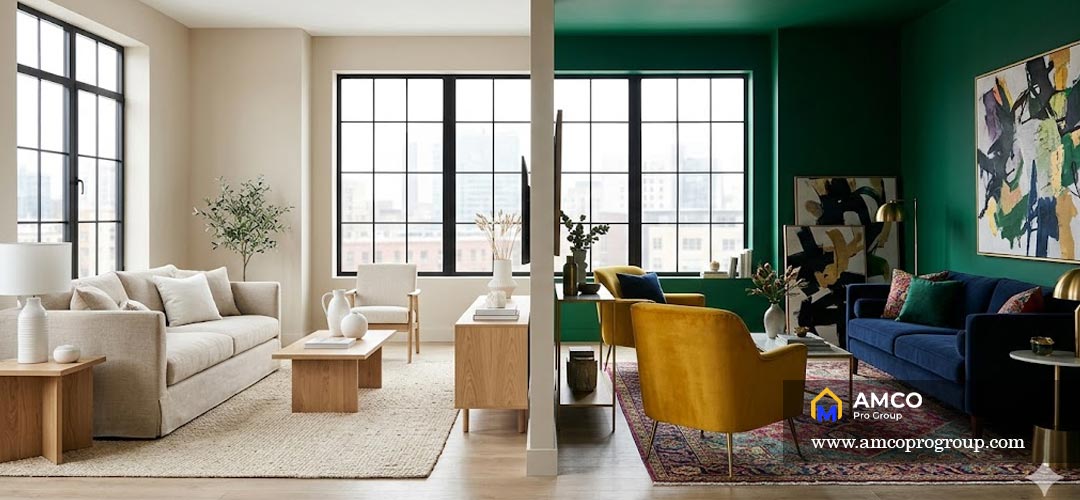
Most people don’t struggle with decorating because they lack taste. They struggle because they’re torn between two completely different design identities. One part of them wants calm, neutral interior design. The other wants bold colors, statement pieces, and personality that hits you the moment you walk in.
I’ve seen homeowners repaint the same living room three times because they couldn’t decide between safe and expressive. The real question isn’t which style is better. It’s which one fits your lifestyle, your personality, and your long‑term vision—a process where expert modern interior design services leawood can help you navigate.
Understanding Neutral Interior Design
Neutral interior design isn’t boring. It’s strategic. It’s built around restraint, visual balance, and materials that age well.
People often confuse “neutral” with “plain.” In reality, well-designed neutral interiors rely on texture, proportion, and light more than color.
Proportion and balance are equally important. In a neutral space, furniture and decor need to be thoughtfully scaled. A low-profile sofa, a textured area rug, and a sculptural floor lamp might work together to create visual interest without relying on strong color contrasts. Each piece contributes to the overall composition.
What Defines a Neutral Interior
At its core, neutral interior design revolves around muted color palettes and subtle contrast. Instead of relying on strong or saturated colors, the design uses softer tones that work quietly in the background and allow the overall space to feel calm and balanced. Texture also plays a critical role. Since color isn’t the main source of visual interest, layers of texture help create depth and variation. A woven rug, a linen sofa, a wooden coffee table, and ceramic accessories can all work together to create subtle complexity within the room.
Ultimately, the goal of neutral interior design is visual calm. Rather than grabbing attention through bright colors or dramatic contrasts, these spaces create richness through material, texture, and form. The result is an environment that feels balanced, timeless, and quietly sophisticated.
Common Neutral Color Palettes
Neutral home color schemes are far more nuanced than simply painting walls white. In well-designed spaces, neutrals are layered thoughtfully so that different tones, materials, and finishes work together to create depth. These kinds of combinations are effective because neutral tones reflect light well, helping rooms feel brighter and more open. That quality makes them especially useful in smaller homes or apartments where maximizing light is important.
Materials and Textures Used in Neutral Spaces
Texture does much of the work in neutral minimalist home design. Because the color palette is restrained, visual interest has to come from the surfaces and materials within the space. Different textures interact with light and shadow in subtle ways, which creates depth even when the colors remain soft and understated. When these textures are layered together, the room begins to feel intentional and carefully composed. Each surface contributes something slightly different—soft, rough, smooth, or structured—which keeps the eye engaged even within a limited color palette.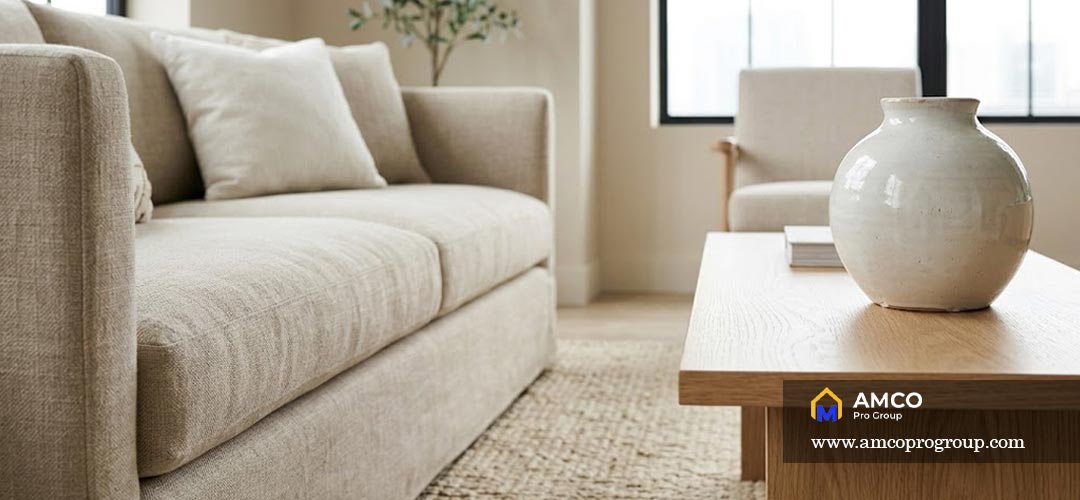
Why Neutral Interiors Remain Popular
Texture does much of the work in neutral minimalist home design. Because the color palette is restrained, visual interest has to come from the surfaces and materials within the space. Different textures interact with light and shadow in subtle ways, which creates depth even when the colors remain soft and understated.
When these textures are layered together, the room begins to feel intentional and carefully composed. Each surface contributes something slightly different—soft, rough, smooth, or structured—which keeps the eye engaged, especially when you learn how to mix wood tones interior design to build depth.
What Is Bold Interior Design?
BBold interior design is about expression. It’s not shy, and it’s not subtle. Instead of blending quietly into the background, bold spaces are designed to make a strong visual statement. Color, contrast, and distinctive shapes are used intentionally to create energy and personality within a room. the real challenge with bold interior design isn’t choosing striking colors or statement pieces. The harder part is knowing when to stop. Without restraint, a room can quickly become overwhelming or chaotic, falling into some of the common interior design mistakes that homeowners make when experimenting with color. Bold interior design transforms a home into a reflection of personality and creativity.
Key Characteristics of Bold Interiors
Bold home decor ideas typically include:
● Saturated color palettes
● High contrast combinations
● Graphic patterns
● Statement furniture pieces
Instead of blending in, bold interiors aim to create emotional impact.
Popular Bold Color Combinations
Some bold color palettes for interiors that consistently work:
● Emerald green + gold
● Navy + burnt orange
● Deep plum + brass
● Teal + mustard
These combinations create energy. They command attention.
The key is balance. Too many competing tones can overwhelm a space.
READ MORE : Best Materials for a Modern Luxury Home Interior
Statement Furniture and Decor Elements
Bold interiors often revolve around one or two dominant focal points that immediately capture attention when you enter the room. Rather than spreading strong design elements everywhere, the idea is to anchor the space with a standout feature that defines the room’s personality. This focal point becomes the visual center of the design, while the surrounding elements support it without competing for attention.When exploring statement furniture or decor ideas, it’s usually best to start with one strong “hero” piece and design the rest of the room around it. By allowing that piece to lead the visual narrative, the space remains cohesive and intentional rather than overwhelming. 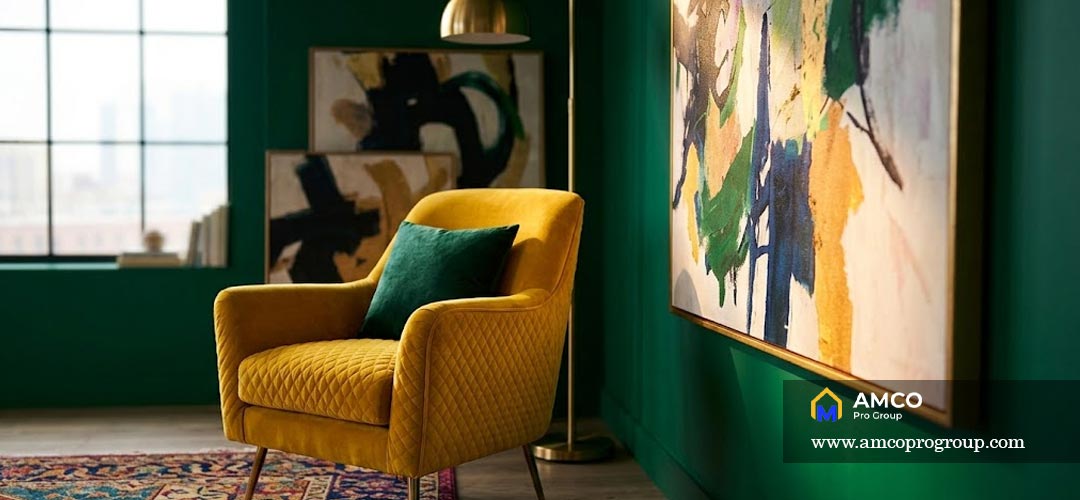
How Bold Design Creates Visual Impact
Bold design works because it triggers emotion. Unlike neutral spaces that rely on subtlety, bold interiors use color as a psychological tool. The hues you choose don’t just change how a room looks—they influence how it feels and how people respond to it. The key difference between a curated bold interior and a chaotic one lies in control. When colors are selected intentionally and balanced with complementary tones or neutral elements, the result feels cohesive and expressive.
Neutral vs Bold Interiors: Key Differences
Now we get into the comparison that actually matters. Many articles about interior design stop at describing colors or showing visual examples, but that only scratches the surface. The real difference between neutral and bold interiors isn’t just how they look—it’s how they shape the experience of living in a space.
This comparison also becomes important when you think about practical aspects of living in a home. The choice between neutral and bold affects how a room feels throughout the day, how easily you can update the space over time, and even how comfortable you feel spending long periods in it.
Color Palette and Mood
Many articles about interior design stop at describing colors or showing visual examples, but that only scratches the surface. This comparison also becomes important when you think about practical aspects of living in a home. The choice between neutral and bold affects how a room feels throughout the day, how easily you can update the space over time, and even how comfortable you feel spending long periods in it. A neutral space might feel relaxing after a stressful day, while a bold space might feel stimulating and inspiring.
Visual Balance and Space Perception
Neutrals tend to reflect light, while bold and darker colors absorb it. This difference has a noticeable effect on how a room feels and how large it appears. Light neutral tones—such as soft whites, beige, or pale gray—bounce natural and artificial light around the room, which helps the space feel brighter and more open. Because of this reflective quality, neutral palettes are often recommended for smaller rooms where maximizing light can make the space appear larger than it actually is.
This is why many designers suggest lighter walls paired with a thoughtful application of texture in interior design when working with small spaces.
How to Choose the Right Style for Your Personality and Lifestyle
Choosing between neutral vs bold interior design isn’t about copying Pinterest. It’s about self-awareness.
If You Prefer Calm and Minimal Spaces
Neutral interiors are ideal if you:
● Feel overstimulated easily
● Work in high-stress environments
● Prefer order and visual clarity
These spaces support focus and relaxation.
If You Love Creativity and Expression
Bold interiors suit you if:
● You enjoy artistic expression
● You love hosting and entertaining
● You’re comfortable taking risks
Your home becomes an extension of your personality.
Lifestyle Considerations (Families, Pets, Small Spaces)
Real life changes design decisions.
For families or pets:
● Washable fabrics matter more than color
● Durable finishes outweigh aesthetics
For apartments:
● A neutral base with bold accents often works best
If you work from home, design decisions become even more personal because your space must support both comfort and productivity. Looking at Modern Home Office Design Ideas can help you decide whether a calm neutral workspace or a bold, energizing setup better matches your daily routine and creative style.
Long-Term Design Commitment
Before committing, test your tolerance.
Try:
- Painting one accent wall
- Adding bold artwork
- Swapping pillows or rugs
See how you feel after three months. That’s your answer, and it is a great way to test new concepts if you are planning a modern home design on budget.
Room-by-Room Style Recommendations
Different rooms tolerate different levels of boldness.
Living Room Design Ideas
Living rooms handle bold design well because they’re social spaces.
Try:
● Neutral walls + bold sofa
● Bold art + minimalist furniture
● Patterned rug anchoring a calm palette
Bedroom Style Considerations
Bedrooms benefit from softness.
Even in bold modern interior design ideas, bedrooms often use:
● Deeper muted tones
● Soft textiles
● Controlled contrast
Rest requires balance.
Kitchen and Dining Spaces
Kitchens can embrace bold cabinetry or statement lighting, which works beautifully when integrating a modern dining area in open-concept homes.
However:
● Neutral countertops improve longevity
● Bold bar stools or backsplash tiles are easier to update
Entryways and Hallways
Entryways are perfect for experimentation.
Small doses of bold color here:
● Create impact
● Require minimal commitment
● Set the tone without overwhelming
Final Thoughts: Finding Your Personal Design Balance
Style isn’t about rules. It’s about alignment. Neutral interior design offers calm, flexibility, and timelessness. Bold interior design delivers personality, energy, and impact.
The most successful homes combine both. They use neutrals for structure and bold elements for character. Start with clarity. Add expression slowly. Let your space evolve instead of forcing it into a single label, or consult with renovation experts leawood to bring your balanced vision to life.


