How to Design a Modern Home on a Budget: 10 Smart Tips
Published on Jun 14, 2026
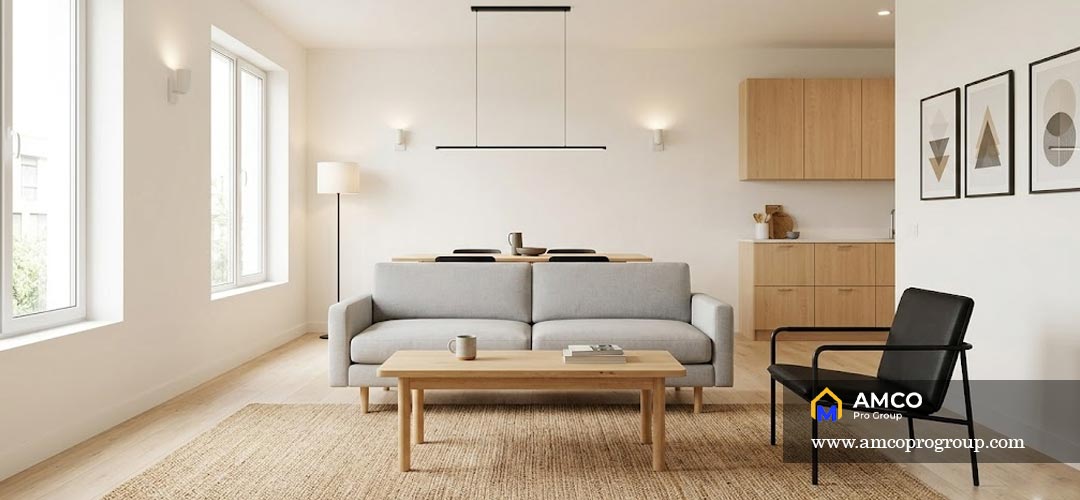
Most people think “modern design” means expensive furniture, custom cabinetry, and a renovation budget that spirals out of control, but it doesn’t—especially when guided by professionals offering modern interior design services leawood. Modern interior design is one of the easiest styles to execute on a tight budget—if you understand the principles behind it. Clean lines, restraint, smart lighting, and strategic spending matter far more than designer price tags.
What Defines Modern Interior Design?
Before you spend a dollar, you need clarity. Most people chase trends when they should be building a foundation. Modern design isn’t about filling a room. It’s about editing it.
Trends are the biggest trap. A color that’s popular on Instagram today might feel dated in two years. When people decorate based on trends, they constantly replace items, which quietly drains the budget over time.Professional designers spend a surprising amount of time removing things from a space, not adding them. That editing process is what creates the calm, intentional look people associate with modern interiors.
Core Principles of Modern Design
Modern interior design is built on a handful of consistent, time-tested principles, especially when comparing visual restraint with bolder aesthetics in neutral vs bold interiors guide. At its core, it favors clean, straight lines over ornate detailing, neutral color palettes over bold pattern layering, and open, functional layouts instead of crowded furniture arrangements. Clutter is minimized, and every piece in the room is expected to serve a clear purpose—either functional, aesthetic, or ideally both.
If you’re naturally drawn to clean, calming spaces, you might also appreciate minimalist home decor ideas, which closely align with modern design fundamentals and take the principle of intentional simplicity even further.
Modern vs Contemporary: Key Differences
People confuse these constantly.
● Modern design = specific design movement (mid-century roots, minimal, structured).
● Contemporary design = what’s trending right now.
Modern is predictable and structured. Contemporary shifts every year. If you’re decorating on a budget, predictability saves money. Trend-chasing drains budgets.
Why Modern Design Works Well on a Budget
Modern design has a built-in financial advantage that most people overlook. Its strength isn’t in expensive materials or elaborate craftsmanship—it’s in proportion, restraint, and thoughtful placement. Start with the basics. Neutral paint is one of the most affordable upgrades you can make, yet it completely transforms a space. A few gallons of warm white or soft greige can modernize a room faster than replacing furniture ever could. Paint delivers one of the highest visual returns per dollar in interior design.
Set a Realistic Budget & Design Plan
The real-world challenge isn’t style. It’s cost control. Before shopping, define your spending ceiling and break it into categories. Without this step, you’ll overspend on decor and underinvest in high-impact upgrades. Start with a written plan.
Determine Your Total Budget Range
Use tiered benchmarks:
● $500 mini refresh
○ Paint
○ Lighting swap
○ New textiles
● $2,000 room upgrade
○ Furniture replacement
○ Area rug
○ Lighting + wall art
● $5,000 full-room transformation
○ Flooring
○ Statement pieces
○ Multiple lighting layers
Write down:
- Total available budget
- Room priority
- Must-haves vs nice-to-haves
This framework prevents emotional spending.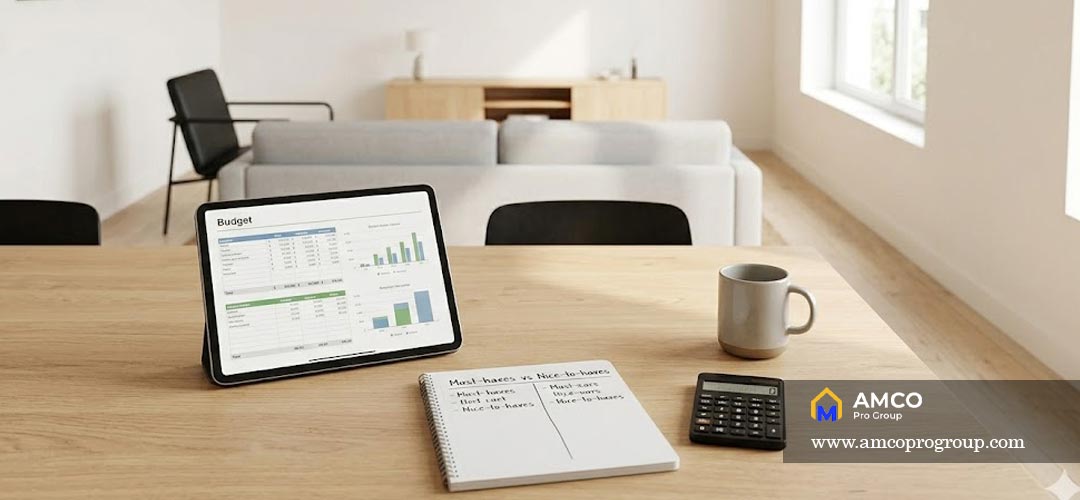
Prioritize High-Impact Areas
Not all upgrades deliver equal visual return.
High ROI improvements:
● Lighting fixtures
● Wall color
● Large area rugs
● Focal wall treatments
● Hardware (cabinet pulls, handles)
Low ROI purchases:
● Excess decor
● Trendy small accessories
● Overly specific color pieces
If you’re planning broader improvements, working with renovation experts leawood can help you identify where small investments deliver disproportionate impact.
The 60-30-10 Budget Rule for Interiors
Allocate your funds like this:
● 60% Core elements (sofa, bed, flooring)
● 30% Secondary elements (lighting, storage, rugs)
● 10% Decor & accessories
This keeps the room grounded and prevents the “cheap but cluttered” look.
Budget-Friendly Modern Design Principles That Make the Biggest Impact
Design is leverage. Small changes can create disproportionately large visual shifts when you understand what actually drives perception. Most budget design failures come down to mismatched undertones. A cool gray sofa against warm beige walls. A bright white trim paired with creamy cabinetry. The eye picks up the tension immediately. That’s why understanding undertones matters more than picking a trendy shade.
Neutral walls work because they create visual cohesion across the entire room. Instead of competing elements, everything feels connected.
Invest in Lighting (It Changes Everything)
Lighting is the most underrated design tool, and the layering strategies in this modern interior lighting ideas guide show exactly why.
Modern lighting ideas for home upgrades include:
● Black or brass linear pendants
● Simple floor lamps
● Wall sconces
● LED strip under cabinets
Layer your lighting:
- Ambient (ceiling)
- Task (lamps)
- Accent (wall, shelf lighting)
One well-chosen fixture can elevate an entire room with more than five decorative objects.
Use Texture Instead of Expensive Decor
Texture is one of the most overlooked tools in budget modern interior design. It creates depth, warmth, and visual interest—without adding clutter. When a space feels flat, most people respond by adding more decor. More frames. More objects. More accessories. The smarter move is upgrading materials instead of increasing quantity.
Modern design thrives on contrast between smooth and tactile surfaces. A sleek sofa paired with a nubby wool rug. A matte wall finishes next to natural wood. A streamlined coffee table softened by fabric and fiber. That interplay is what makes a room feel elevated.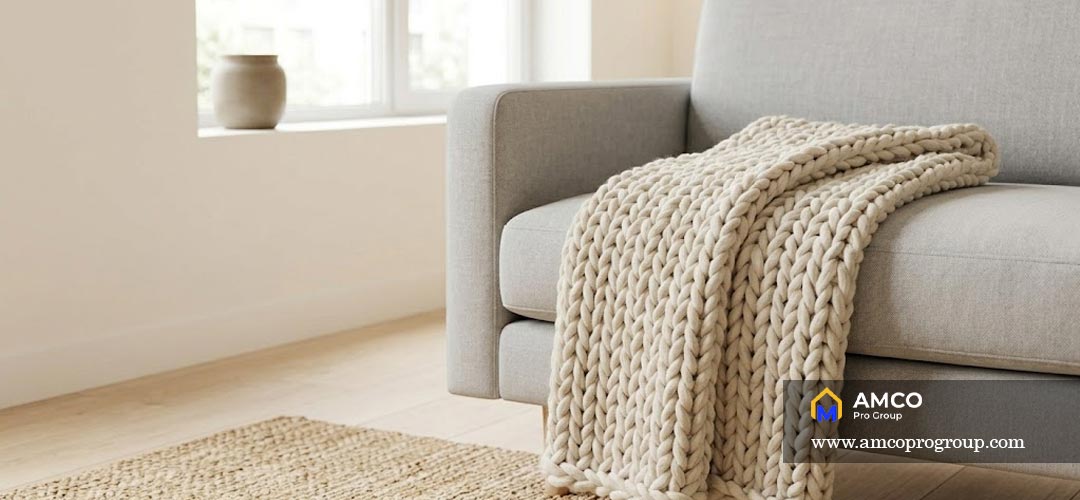
Keep Furniture Minimal & Functional
Modern interior design places a strong emphasis on negative space—the empty areas around furniture and objects that allow a room to breathe. Many people assume a space needs to be filled to feel complete, but modern design takes the opposite approach. When a room has room to breathe, the pieces that remain feel more intentional and visually balanced.
When you approach a room this way, something interesting happens: you naturally buy less furniture. And fewer pieces mean fewer expenses. The result is a cleaner, more modern aesthetic that feels intentional rather than packed with items competing for attention. In other words, less furniture doesn’t just simplify the space—it often lowers the total cost of designing it.
Affordable Ways to Upgrade Each Room
Instead of trying to renovate your entire home at once, focus on strategic, room-by-room upgrades that deliver maximum visual impact for minimal cost. In the living room, prioritize a neutral paint refresh, a properly sized area rug, a slim-profile sofa, and one statement light fixture. In the kitchen, skip full renovations and focus instead on practical updates inspired by timeless modern kitchen design ideas. Simple updates like replacing cabinet hardware, adding under-cabinet LED lighting, painting cabinets (if they’re in good condition), or installing open shelving can modernize the space without demolition.
In the bathroom, avoid costly tile replacement. Updating mirrors, lighting, faucets, and adding framed artwork can create a noticeable transformation with relatively small investment.
Common Mistakes That Make Budget Homes Look Cheap
A limited budget doesn’t automatically make a home look cheap. In most cases, the issue comes from design decisions rather than the amount of money spent. When key principles are ignored, even expensive furniture can end up looking unbalanced or cluttered—one of the recurring themes in common interior design mistakes.
Modern interiors rely on breathing room, but many people try to fill every corner with furniture or decorative items. Extra side tables, duplicate decor pieces, or oversized sectionals placed in small rooms quickly overwhelm the layout. When too many objects compete for attention, the space loses its sense of clarity. Lighting is another detail people underestimate. Relying on a single ceiling fixture rarely provides enough depth for a room. Without layered lighting, even well-designed spaces can feel flat and uninviting.
Conclusion
Designing a modern home on a budget means making smart choices: prioritize clean lines, neutral colors, good lighting, and purposeful furniture to create an intentional space. Restraint is key; focus on impactful upgrades like lighting and well-scaled furniture over excessive decor. By planning your budget, making gradual improvements, and choosing quality over quantity, you can achieve a modern, polished home without overspending—and if you want expert guidance, modern interior design services leawood can help you create a plan that fits both your style and budget.


