Warm Minimalism: How to Create a Cozy Home Without the Clutter
Published on Jul 8, 2026
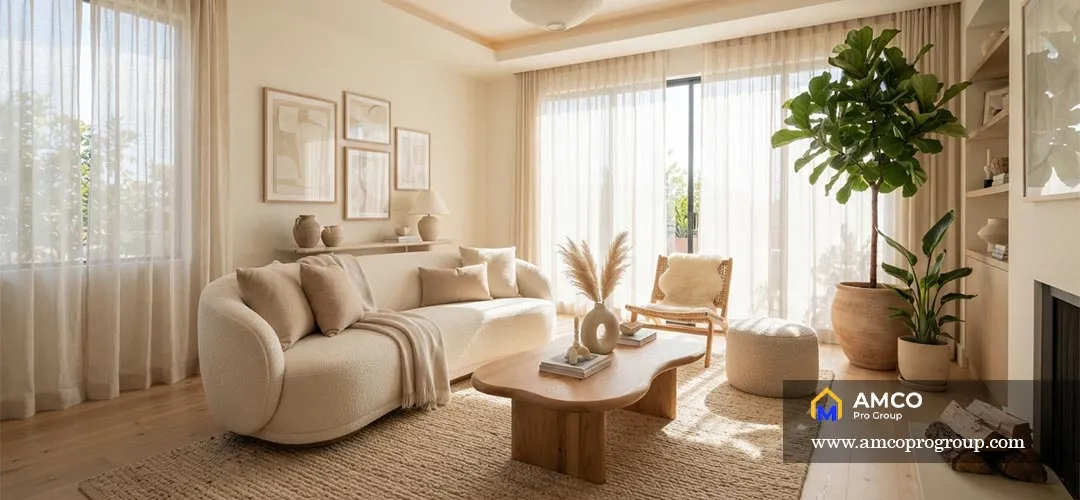
Minimalist homes often look beautiful in photos but uncomfortable in real life. The clean lines are there. The clutter is gone. Yet, something feels missing. The room looks more like a cold showroom than a place where people actually relax. The issue usually isn’t minimalism itself. It’s how it is applied. When simplicity removes warmth, texture, and personality, the result can feel sterile. Warm minimalism takes a different path. It keeps the calm, uncluttered aesthetic but introduces natural materials, soft colors, and layered lighting that make a house feel like a home.
What Is Warm Minimalist Interior Design?
Minimalist design has evolved over the past decade. Early minimalist interiors often leaned heavily on stark white walls, glossy surfaces, and almost no decoration. While visually striking, these spaces often lacked emotional warmth.
Warm minimalism keeps the core principle of intentional simplicity but introduces natural textures, soft colors, and comfortable forms. The room still feels open and uncluttered, yet it also feels welcoming. If you are looking for professional guidance, our modern interior design services in leawood can help you achieve this look without the guesswork.
The Difference Between Minimalism and Warm Minimalism
Traditional minimalism focuses on reducing visual elements as much as possible. Furniture is minimal, decorations are limited, and color palettes tend to stay very neutral. Warm minimalism works differently. It still values simplicity but allows subtle richness through texture, material, and lighting.
To help you visualize the difference, here is a quick comparison:
1. Color Palette
● Traditional Minimalism: Relies on stark whites, cool grays, and sterile, high-contrast tones.
● Warm Minimalism: Utilizes cream, beige, taupe, and earthy tones to create a softer, more inviting base.
2. Materials
● Traditional Minimalism: Often features metal, glass, and high-gloss synthetic surfaces.
● Warm Minimalism: Focuses on natural materials like warm wood, linen, wool, and textured stone.
3. Shapes & Lines
● Traditional Minimalism: Emphasizes sharp, rigid, and strictly geometric lines.
● Warm Minimalism: Incorporates soft curves, rounded edges, and organic shapes that feel less “designed” and more natural.
4. Atmosphere
● Traditional Minimalism: Can often feel clinical, showroom-like, and empty.
● Warm Minimalism: Feels lived-in, serene, and cozy, prioritizing comfort alongside simplicity.
Why Traditional Minimalism Can Feel Cold
Many minimalist spaces feel cold because they remove the very elements that make rooms comfortable. Three factors usually cause this:
- A Lack of Texture: Smooth surfaces dominate minimalist interiors. Without contrast, the room feels flat.
- Overly Cool Lighting: Bright white LED lighting can make even well-designed rooms feel harsh.
- Limited Color Depth: When every surface is pure white or gray, the room loses visual warmth.
Interior designers solve this by introducing layered materials, subtle color variations, and softer lighting.
Designer’s Insight
In our recent residential projects, we often see homeowners struggling with spaces that feel too sterile. The secret isn’t to add more furniture—it is to change the temperature of the room. By replacing cool white bulbs with warm 2700K lighting and adding a single textured element like a wool rug, you can instantly rescue a room from looking like a clinic.
Key Principles of Warm Minimalist Spaces
Designing a warm minimalist home is less about strict rules and more about thoughtful choices:
● Natural Materials are Essential: Wood furniture, linen fabrics, and stone surfaces bring organic warmth that synthetic materials rarely achieve.
● Layered Neutrals Add Depth: Instead of relying on one shade of white, warm minimalism mixes cream, beige, taupe, and sand tones.
● Comfortable Furniture Matters: Minimalism doesn’t mean uncomfortable seating or rigid shapes. Pieces should invite people to sit, relax, and stay.
● Organic Elements Bring Life: Plants, handmade ceramics, and textured fabrics prevent the space from feeling overly controlled.
Choosing the Right Color Palette for Warm Minimalism
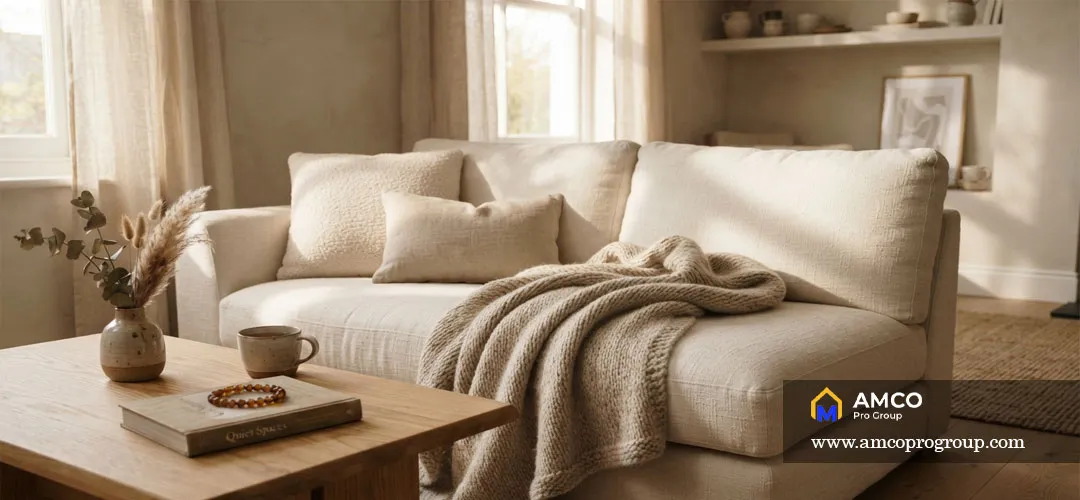
Color is one of the most powerful tools in warm minimalist design. Many people assume minimalism means pure white walls and gray furniture, but that palette can quickly make a space feel sterile. Warm minimalist interiors rely on soft neutrals and earthy tones that create subtle contrast without overwhelming the room. Before finalizing your palette, check out our guide on modern interior color palettes to learn how to mix tones professionally without making the room feel flat.
Neutral Colors That Add Warmth
Warm neutrals form the foundation of most minimalist interiors. They reflect natural light gently and create a relaxed atmosphere. Common choices include cream, ivory, warm white, soft beige, and light taupe. These tones work particularly well on large surfaces such as walls, sofas, and rugs because they establish a calm visual base.
Earth Tones That Work in Minimalist Spaces
While warm minimalism relies on neutral colors, adding small amounts of earthy color creates visual depth. Terracotta, clay, olive green, and muted rust tones work especially well. Rather than covering large areas with these colors, designers typically introduce them through smaller elements such as cushions, ceramics, artwork, or accent chairs.
How to Layer Neutrals Without Making a Room Boring
A common mistake in minimalist interiors is using only one shade across the entire room. When walls, furniture, and decor share the same tone, the space can feel flat. Layering neutrals solves this problem. Designers often follow a simple visual hierarchy: a light base color, a mid-tone layer, and a darker accent. For example, cream walls might be paired with a beige sofa and walnut wood furniture.
Use Texture to Make Minimalist Rooms Feel Cozy
If color sets the mood of a room, texture determines how it feels. Two minimalist spaces can share the same color palette but evoke completely different emotions depending on the materials used. You don’t always need new furniture to change your room’s vibe; sometimes, cabinet refinishing and repainting in leawood can provide the perfect texture and tone refresh to make older cabinets feel soft and modern.
Natural Materials That Add Warmth
Natural wood furniture is one of the most effective elements because its grain naturally adds depth. Linen curtains soften windows while allowing light to pass through gently. Wool rugs bring softness underfoot and help balance harder surfaces like wood or stone floors. Mixing different types of wood can be tricky. If you’re struggling to balance grains and stains, read our deep dive into how to mix wood tones in interior design for a cohesive look.
Mixing Soft and Hard Surfaces
Comfort often comes from contrast. Too many soft materials can make a room feel heavy, while too many hard surfaces feel cold. Warm minimalist interiors balance both. A linen sofa might sit beside a wooden coffee table. A wool rug could soften stone flooring. Ceramic vases might contrast with sleek metal lighting fixtures.
Furniture Choices That Balance Simplicity and Comfort
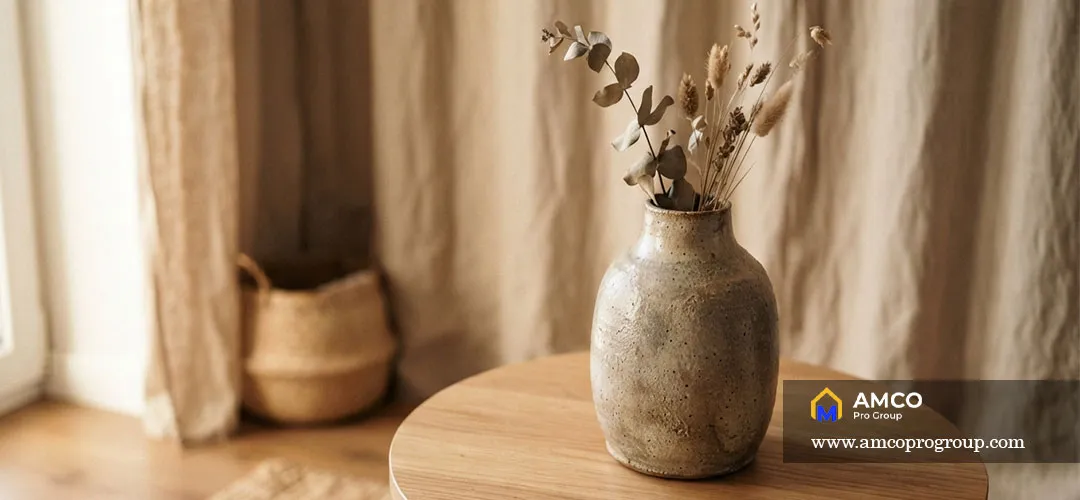
Minimalist furniture often gets misunderstood. People assume simplicity means rigid shapes, but good minimalist design always prioritizes usability. The best pieces combine clean lines with inviting materials. If you are looking to elevate your space with high-end textures, check out our modern luxury home materials guide to see which premium materials age best in minimalist settings.
Rounded vs Sharp Shapes in Warm Interiors
Traditional minimalist interiors rely heavily on sharp geometry. Warm minimalism softens this approach by introducing curved forms. Rounded coffee tables, curved sofas, and arched lamps help balance the straight lines commonly found in modern architecture.
Lighting Strategies for a Warm Minimalist Home
Lighting shapes the emotional tone of a room more than almost any other design element. Even beautifully designed interiors can feel uncomfortable if lighting is too harsh or poorly positioned.
● The Importance of Soft Lighting: Bulbs with a warm color temperature around 2700K produce a gentle glow similar to sunset light. Lamps with fabric or frosted shades diffuse light evenly.
● Layered Lighting: Professional interior designers combine multiple lighting sources. Ambient lighting provides overall illumination, task lighting supports reading or cooking, and accent lighting highlights architectural features.
Room‑by‑Room Warm Minimalist Design Ideas
Minimalism isn’t applied exactly the same way in every room. Each space has different functional needs, and the design should reflect that. Warm minimalism adapts while maintaining a consistent aesthetic throughout the home.
Minimalist Living Room Ideas
The living room should balance openness with comfort. A neutral sofa, textured rug, wooden coffee table, and soft floor lamp often create a complete minimalist living room. Adding one statement artwork or sculptural chair can introduce personality.
Warm Minimalist Bedroom Design
Bedrooms benefit from calm palettes and soft materials. Linen bedding, simple nightstands, warm lighting, and muted wall colors create an environment that supports rest. Decorative elements should remain limited so the room maintains a peaceful atmosphere.
Conclusion
Warm minimalist design proves that simplicity and comfort can exist in the same space. A home doesn’t need dozens of decorative elements to feel inviting. What matters is choosing the right materials, colors, and textures so every piece contributes to the atmosphere. Warm minimalist design proves that simplicity and comfort can exist in the same space.


