Common Interior Design Mistakes Homeowners Make
Published on Jun 14, 2026
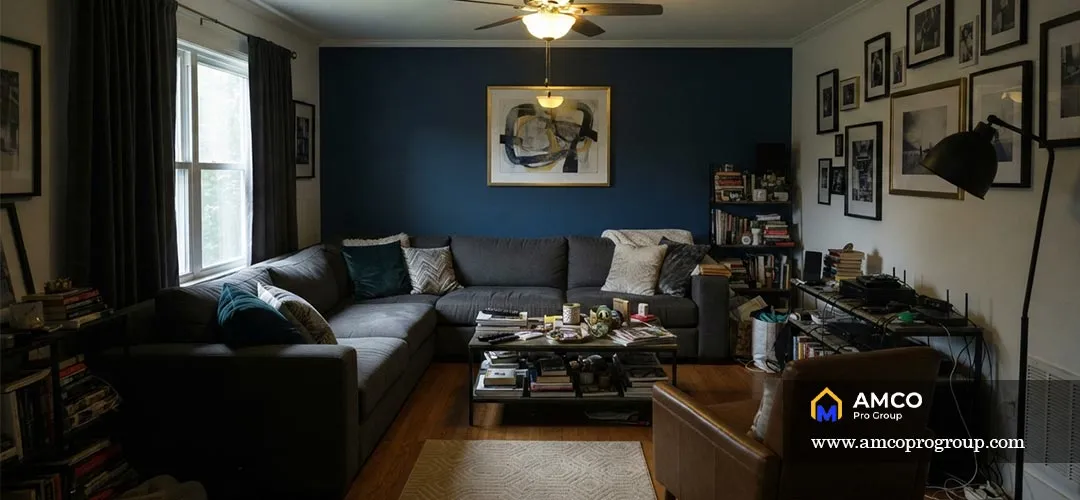
Let’s be honest: transforming a house into a home you love is incredibly rewarding, but it’s also incredibly easy to get wrong. You’ve seen those rooms in magazines, or maybe on Pinterest, and thought, “I can do that!” Then, reality hits. Despite your best efforts, something feels… off. That perfect vision ends up looking cluttered, awkward, or just plain uninspired.
Most homeowners aren’t trying to make bad design choices—they’re simply unaware of common pitfalls that professionals in modern interior design services in leawood help homeowners avoid from the start. The good news? Recognizing these mistakes is the first step to fixing them. This guide will walk you through the most frequent interior design errors, so you can confidently create a space that’s both beautiful and functional.
The Allure and Pitfalls of DIY Interior Design
However, the world of interior design is nuanced, relying on principles that aren’t always intuitive. Many homeowners fall into the trap of making decisions based solely on trends or aesthetics without considering the underlying functionality or spatial dynamics. Understanding core design principles is more important than simply following the latest modern interior design trends.
Why Interior Design Matters for Your Home
A well-designed space does more than just look good; it impacts how you feel and how you live. Proper design enhances mood, improves productivity, and creates a sense of order and comfort. Conversely, Poorly executed design can lead to frustration and wasted money, which is why many homeowners look for strategies like modern home design on budget.
Overlooking Key Design Principles
The biggest hurdle for many DIY decorators is skipping the foundational steps. This often means impulse purchases, haphazard furniture arrangements, or a neglect of crucial elements like lighting and scale. These oversights, while seemingly small, accumulate to create a disjointed or uncomfortable environment.
Furniture Faux Pas: Sizing, Placement, and Style Errors
Furniture is the backbone of any room, dictating both its look and its function. It’s astonishing how often homeowners get this core element wrong, leading to spaces that feel cramped, awkward, or unbalanced. Getting your furniture right is paramount, as it sets the stage for everything else.
The Too-Small or Too-Large Furniture Dilemma
One of the most frequent mistakes is choosing furniture that is either disproportionate to the room or to other pieces within it. Oversized sofas can swallow a small living room, making it feel claustrophobic, while tiny accent chairs can get lost in a vast space. Conversely, a petite sofa in a large room can feel insignificant and awkward.
To fix it you should measure your space before you buy. Use painter’s tape on the floor to outline the dimensions of potential furniture pieces. Consider the scale of other items in the room; a large sectional needs more breathing room than a loveseat. For a cohesive look, aim for furniture that is visually balanced with its surroundings. If you’re struggling with this, a good guide to how to choose the right rug size can also help anchor your furniture arrangement and provide a sense of proportion.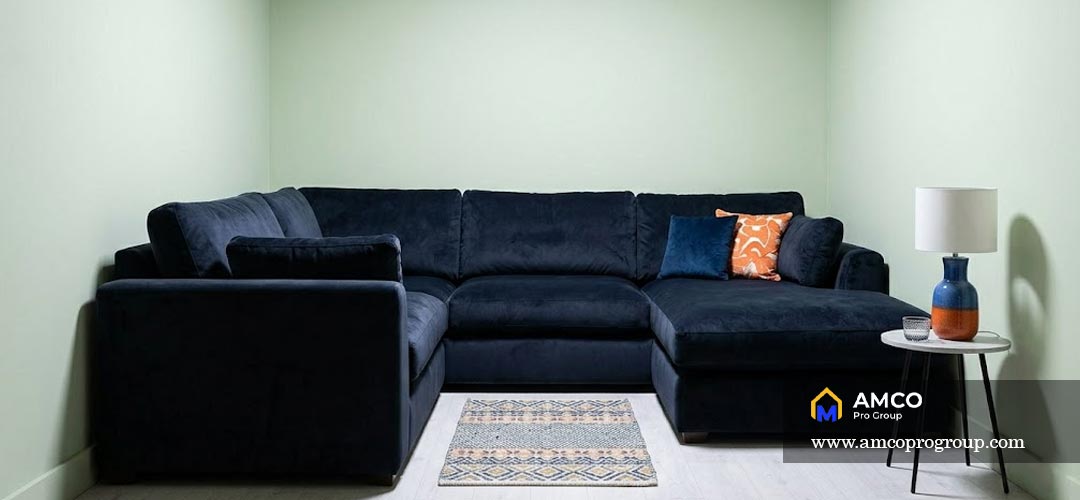
Awkward Furniture Placement: Blocking Flow and Function
Even the most beautiful pieces can ruin a room if they’re placed poorly. Pushing all your furniture against the walls is a classic mistake that often leads to a dead, unused space in the center of the room. Another issue is blocking pathways or creating awkward conversational groupings.
The solution lies in creating distinct zones and considering traffic flow. In a living room, for instance, Arrange your seating to encourage conversation, especially in spaces connected to a modern dining area in open-concept homes. Don’t be afraid to float furniture away from the walls. Think about how you naturally move through the space and ensure clear, unobstructed paths. Understanding guide to furniture placement can offer deeper insights into arranging pieces effectively for both aesthetics and usability.
Mismatched Furniture Styles: A Cluttered Aesthetic
While eclectic design can be chic, a haphazard mix of furniture styles often results in a chaotic, unfinished look. A modern sofa might clash jarringly with a traditional armchair, or a rustic dining table might feel out of place with sleek, contemporary chairs.
To avoid this, you should find a unifying element. This could be a consistent color palette, material (like wood tones), or a shared design era—something you can learn more about in our guide on mix wood tones interior design. Alternatively, introduce a transitional style that bridges the gap between different aesthetics. You can also learn is it okay to mix furniture styles? to understand how to achieve a harmonious blend rather than a discordant jumble.
Lighting Lapses: When Brightness Goes Wrong
Lighting is often an afterthought, yet it’s one of the most powerful tools in interior design—as explained in our modern interior lighting ideas guide. Relying on a single, harsh overhead light is a recipe for a flat, uninviting atmosphere. Great lighting is layered, functional, and sets the mood.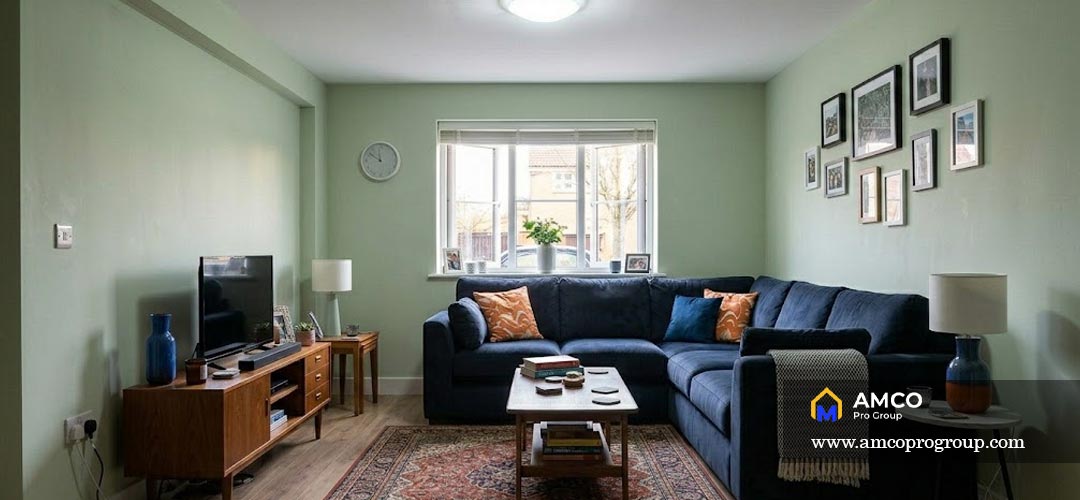
Why is a Single Overhead Light Bad for Your Room
Many rooms, especially older ones, suffer from a solitary ceiling fixture as their sole light source. This creates a rather unappealing “cave effect” where the center of the room is blindingly bright, while corners remain dark and shadowy. It offers no flexibility and can make a room feel stark and unwelcoming.
To control this you should embrace layered lighting. This involves combining three types: ambient, task, and accent lighting. Ambient light provides overall illumination, task lighting is for specific activities (like reading or cooking), and accent lighting highlights features like artwork or architectural details.
Ignoring Task and Accent Lighting Needs
Beyond the general glow, specific activities require focused light. A kitchen counter needs bright task lighting for food preparation, a reading chair demands a well-placed lamp, and a home workspace benefits from carefully planned lighting that reduces eye strain and improves focus. When planning a functional workspace, exploring Modern Home Office Design Ideas can also help you understand how lighting placement supports productivity throughout the day.
Similarly, accent lighting draws attention to focal points. This could be accentuating a textured wall, highlighting a sculpture, or creating a dramatic effect. It adds depth and sophistication to a space. Explore our best lighting solutions for any room to discover how to effectively incorporate these essential layers.
Incorrect Bulb Temperature and Brightness
Not all bulbs are created equal. Using bulbs with the wrong color temperature (measured in Kelvin) can drastically alter a room’s feel. For instance, cool, blue-toned lights can make a cozy living room feel sterile, while overly warm lights in a home office might induce sleepiness. Brightness (lumens) is also key; too dim, and the room is gloomy; too bright, and it’s harsh.
Always consider the mood you want to create. For living areas and bedrooms, aim for warmer temperatures .For kitchens and bathrooms where clarity is key, slightly cooler tones (3500K-4100K) might be better. And always choose dimmable options where possible to control intensity.
Color Conundrums: Mismatches and Monotony
Color has a profound psychological impact on a space. Whether you’re too afraid to use it, overdo it, or choose clashing hues, color mistakes can significantly undermine your design. Getting the color palette right is crucial for setting the right mood and ensuring a cohesive aesthetic.
The Fear of Color: Playing It Too Safe
Many homeowners shy away from color, opting for endless shades of beige or white. While neutrals can be elegant, an entire home devoid of color can feel sterile, uninspired, and bland. It misses the opportunity for color to add personality, warmth, and visual interest.
Please don’t be afraid to experiment! Start small with accent pieces like throw pillows, artwork, or a single accent wall. If you’re hesitant, explore understanding color theory to learn how colors interact and how to build a balanced palette. Even subtle pops of color can make a world of difference.
Overdoing Trends or Clashing Palettes
On the flip side, jumping on every fleeting color trend or combining colors that simply don’t harmonize can lead to a chaotic and dated look. This often happens when inspiration is pulled from disparate sources without considering how the colors will work together in a single space.
Choose a primary palette and then select accent colors that complement them. Look at color wheels for guidance on complementary, analogous, or triadic color schemes. Ensure your chosen colors work together in the specific light conditions of your room.
Neglecting the Impact of Undertones
This is a subtle but critical mistake. Colors aren’t just red, blue, or yellow; they have undertones – hints of other colors within them. A “white” wall might have pink, green, or yellow undertones, and a “gray” could lean blue or purple. If the undertones clash with your furnishings or other colors in the room, the entire scheme can look “off,” even if the main colors seem compatible.
Before committing to a paint color, always test swatches on your walls in different lighting conditions throughout the day. Observe how the undertones shift and interact with your furniture, flooring, and natural light. This simple step can prevent costly mistakes and ensure a cohesive final look.
Decor Dilemmas: Accessories, Art, and Arrangement
Decor and accessories are the finishing touches that bring personality and style to a room. However, the wrong choices in art, clutter, or texture can easily derail an otherwise well-designed space. These elements, when handled correctly, elevate a room; when handled poorly, they detract.
Wall Art Woes: Wrong Size, Height, or Subject
Hanging art too high, too low, or choosing pieces that are disproportionately small or large for the wall space are common errors. A tiny picture on a vast wall looks lost, while oversized art in a small room can feel overwhelming. Also, the subject matter should generally align with the room’s purpose and mood.
The general rule of thumb for hanging art is to place the center of the piece at eye level (around 57-60 inches from the floor). For gallery walls, ensure a cohesive arrangement and consistent spacing. When selecting single pieces, consider the size of the wall and the furniture below it.
Clutter Overload: Too Many Knick-Knacks
While personal touches are important, an excessive amount of small decorative items can make a space feel cluttered and chaotic. This “visual noise” can be distracting and make it difficult to appreciate the main elements of the room. It often stems from a desire to display many meaningful items without a cohesive plan.
Curate your collections. Instead of displaying everything, rotate items seasonally or choose a few impactful pieces. Group smaller items together in decorative trays or bowls to create intentional vignettes. Aim for quality over quantity, and ensure each decorative item serves a purpose or brings significant joy.
Neglecting Texture and Layering
A room that lacks texture can feel flat, cold, and unfinished. This often happens when all surfaces are smooth and uniform – think glossy paint, sleek furniture, and minimal textiles. Texture adds depth, warmth, and visual interest, making a space feel more inviting and lived-in.
Introduce a variety of textures through different materials: a chunky knit throw, a woven rug, a smooth marble coffee table, linen curtains, or a leather accent chair. Layering these textures creates a rich, tactile experience. Consider how to add texture to a room for specific ideas on incorporating tactile elements effectively.
Functional Flaws: Neglecting Practicality
A beautiful room that doesn’t function well is ultimately a failed design. Practical considerations like traffic flow, storage, and the overall usability of the space are just as important as aesthetics. Overlooking these can lead to daily frustrations.
Poor Room Layout and Flow
This ties back to furniture placement but also encompasses the overall arrangement of furniture within the room. A layout that hinders movement, creates awkward bottlenecks, or doesn’t cater to the room’s primary use (e.g., a living room that doesn’t facilitate conversation) is a functional flaw.
Map out your room’s purpose and the activities that will take place there. Consider the natural pathways people will take through space. Arrange furniture to support these activities and ensure comfortable circulation. Sometimes, a simple shift in orientation or the removal of an unnecessary piece can dramatically improve flow.
Inadequate Storage Solutions
Lack of sufficient and well-integrated storage is a major functional flaw. When there’s nowhere to put things, clutter inevitably takes over, undermining the room’s aesthetic appeal and usability. This is particularly critical in smaller homes or apartments.
Look for opportunities to incorporate smart storage. This includes furniture with built-in storage (ottomans, coffee tables), shelving units, cabinets, and even decorative baskets. Consider the items you need to store and choose solutions that are both practical and aesthetically pleasing. Effective storage solutions for small spaces can be game-changers.
Conclusion
Avoiding common interior design mistakes isn’t about adhering to rigid rules; it’s about understanding the principles that create comfortable, functional, and beautiful spaces. By recognizing these pitfalls—from furniture scale and lighting to color and layout—you’re already halfway to creating a better home, and experienced renovation experts in leawood can help you implement those improvements professionally.


