Modern Home Office Design Ideas: Boost Your Productivity
Published on Jun 14, 2026
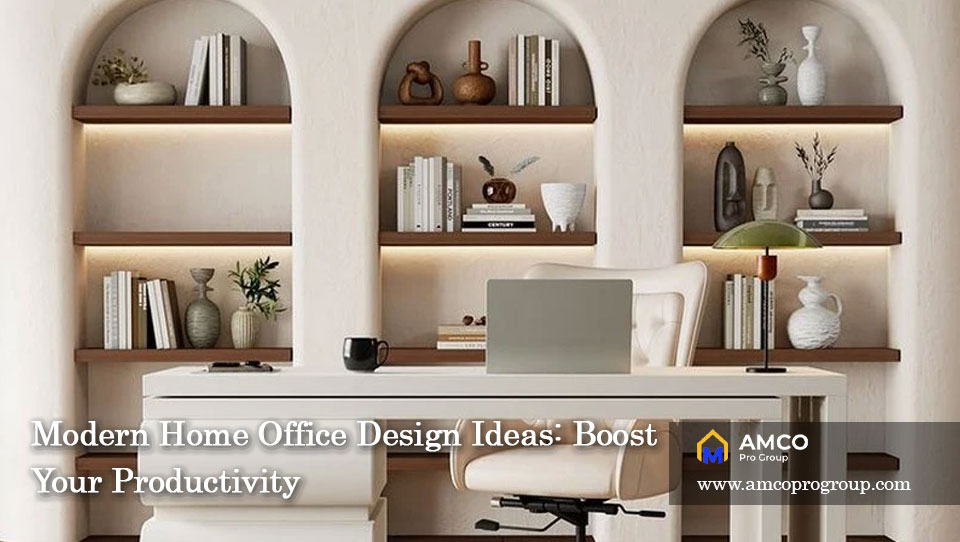
Modern Home Office Design Ideas
Struggling to make your home office feel both inspiring and functional? You’re not alone. Many people dream of a workspace that energizes them and fosters deep focus, but end up with a cluttered, uninspiring corner. The good news? Achieving a modern, productive home office isn’t about expensive renovations; it’s about smart design choices that prioritize both aesthetics and efficiency.
The most successful home offices blend clean lines with practical solutions, creating an environment where work feels less like a chore and more like a calling. Let’s explore how to transform your space into a modern sanctuary of productivity.
The Essence of Modern Home Office Design
When we talk about “modern” design for a home office, we’re not just talking about a fleeting trend. It’s a philosophy centered on clarity, purpose, and intelligent use of space. This approach is about stripping away the unnecessary to reveal the essential, creating an atmosphere that’s conducive to deep work and mental clarity.
Defining “Modern” in a Home Office Context
Modern design, in essence, champions simplicity, functionality, and a connection to the present. For your home office, this translates to spaces that are uncluttered, well-organized, and feature clean lines. It’s less about stark minimalism and more about intentional design choices that support your workflow and well-being.
Key Principles: Minimalism, Functionality, and Flow
At its core, modern home office design thrives on three pillars: minimalism, functionality, and flow. Minimalism encourages us to keep only what is essential, reducing visual distractions. Functionality ensures that every piece of furniture and every design choice serves a purpose. Flow is about creating a layout that allows you to move and work effortlessly within your space, making transitions between tasks seamless.
Creating a Personalized Modern Aesthetic
While modern design emphasizes clean aesthetics, it shouldn’t feel sterile. The real art lies in personalizing this framework to reflect your unique style and work habits. Think of it as a canvas where you can express your personality through curated decor, a thoughtful color palette, and elements that genuinely inspire you. You can also explore Neutral vs Bold Interiors to better understand how color choices influence the mood and personality of a workspace. This blend of modern principles with personal touches is what truly elevates a workspace from merely functional to deeply engaging.
Space Optimization & Layout Strategies
The physical layout of your home office is foundational to its productivity. Even the most stylish design will fall short if the space feels cramped or inefficient. Effective layout strategies are crucial for maximizing every square inch, ensuring comfort, and promoting a sense of calm focus.
Maximizing Small Home Office Spaces
For those working with limited square footage, creative solutions are key. Think vertically: utilize wall space for shelving and storage. Opt for furniture with a smaller footprint but ample functionality. Mirrors can also create an illusion of greater space. The goal is to make the room feel as open and airy as possible, regardless of its actual size.
Designing for Different Room Types (Dedicated Room vs. Nook)
Whether you have a dedicated room or a small nook carved out of another space, the design principles adapt. A dedicated room offers more freedom for layout and furniture placement. A nook, however, requires extra cleverness: consider wall-mounted desks, strategic lighting to define the zone, and integrated storage that disappears when not in use. The objective remains the same: create a distinct, functional workspace.
Ergonomic Layouts for Comfort and Productivity
An ergonomic layout is paramount for long-term comfort and sustained productivity. This means positioning your desk, chair, and equipment to support good posture and minimize strain. From my experience, ensuring your monitor is at eye level and your keyboard/mouse allows for relaxed arm positioning can make a significant difference in preventing fatigue and discomfort throughout the workday. A well-planned ergonomic setup directly contributes to how long you can focus effectively.
Multi-functional Furniture for Small Footprints
In smaller spaces, multi-functional furniture isn’t a luxury; it’s a necessity. Consider desks with built-in storage, ottomans that double as storage or extra seating, or even sofa beds if your office also serves as a guest space. These pieces maximize utility without adding clutter, embodying the core principles of modern design. If you’re designing on a tight budget, reading How to Design a Modern Home can help you make smarter furniture and layout decisions.
Furniture Selection for a Modern Workspace
Furniture is the backbone of any home office. In a modern setting, each piece should not only be functional but also contribute to the overall aesthetic. Selecting the right furniture involves balancing sleek design with ergonomic needs and storage requirements.
Desks: Sleek Lines and Smart Storage
The modern desk is often characterized by its clean lines, simple forms, and uncluttered surfaces. Materials like wood, metal, and glass are popular. Look for options that incorporate subtle storage solutions, such as integrated drawers or shelves, to keep your workspace tidy. A floating or wall-mounted desk can be an excellent choice for smaller spaces, enhancing the sense of openness.
Seating: Ergonomic Chairs That Complement Your Style
While ergonomics are non-negotiable for a productive home office, style doesn’t have to be sacrificed. Many manufacturers now offer chairs that are both highly supportive and aesthetically pleasing, fitting seamlessly into modern decor. Prioritize adjustable features like lumbar support, armrests, and seat height. Explore sleek, minimalist designs in neutral tones or even a bold accent color if it suits your scheme. Considering ergonomic seating options can significantly impact your daily comfort and focus.
Storage Solutions: Shelving, Cabinets, and Beyond
Effective storage is critical for maintaining a modern, clutter-free environment. Floating shelves offer a minimalist way to display or store items without overwhelming the space. Sleek, handle-less cabinets or credenzas can conceal clutter effectively. When choosing storage, think about accessibility and visual weight – pieces that blend into the walls or have a light, open design often work best in modern settings. Exploring minimalist storage solutions can transform a messy desk into a haven of order.
Accent Pieces: Bringing Personality to the Space
Once the functional elements are in place, accent pieces add the finishing touches that make the space uniquely yours. This could include a sculptural lamp, a piece of abstract art, or a high-quality monitor stand. These items should complement the modern aesthetic without introducing clutter. Choose pieces that spark joy or inspiration, reinforcing the idea that your workspace is a place you want to be.
Color Palettes & Material Choices
The colors and materials you choose for your modern home office play a significant role in setting the mood and enhancing productivity. Modern palettes often lean towards sophisticated neutrals, but they can be expertly punctuated with strategic pops of color or texture.
Dominant Neutrals and Sophisticated Hues
Neutral palettes—whites, grays, beiges, and muted earth tones—form the foundation of many modern designs. They create a calm, sophisticated backdrop that minimizes distractions and promotes focus. These colors are versatile and allow other design elements, such as furniture or artwork, to stand out.
Incorporating Accent Colors for Energy
While neutrals provide calm, accent colors can introduce energy and personality. Think about using bold blues, greens, or even warm terracotta sparingly. These can appear in artwork, a single piece of furniture, desk accessories, or even a feature wall. The key is balance; accents should enhance, not overwhelm, the serene atmosphere.
Popular Modern Materials: Wood, Metal, Glass, and Concrete
Modern design embraces a range of materials that convey sophistication and clean aesthetics. Natural wood adds warmth, while metal (like brushed steel or matte black) offers a sleek, industrial touch. If you’re combining different finishes in your office furniture, understanding how to Mix wood tones in interior design ensures a balanced and cohesive look. Glass can add a sense of lightness and transparency, and concrete elements can provide a raw, contemporary edge. Combining these materials thoughtfully can create rich visual interest.
Texture Play: Adding Warmth and Depth
To prevent a modern space from feeling too flat, incorporate varied textures. A plush rug, a woven storage basket, a leather accent chair, or even textured wallpaper can add depth and tactile interest. These elements provide a sense of comfort and sophistication, making the space feel more inviting and lived-in.
Lighting and Technology Integration
Lighting and technology are critical components of any modern workspace, impacting both ambiance and functionality. You can explore Best Lighting ideas for modern interiors to discover creative ways to enhance both mood and efficiency in your workspace. Thoughtful integration ensures that your office is not only visually appealing but also equipped for today’s work demands.
Layered Lighting: Ambient, Task, and Accent
Effective lighting is about more than just brightness; it’s about creating different moods and supporting various tasks. Ambient lighting provides overall illumination, task lighting (like a desk lamp) focuses on your work area, and accent lighting highlights specific features or decor. A well-lit space reduces eye strain and boosts mood. Understanding best home office lighting techniques can drastically improve your daily experience.
Smart Lighting Solutions for Ambiance and Control
Smart lighting systems offer unparalleled control over your office’s ambiance. You can adjust brightness, color temperature (from cool blue for focus to warm yellow for relaxation), and even schedule lighting changes throughout the day. This technology not only adds convenience but also enhances well-being by mimicking natural light cycles.
Seamless Cable Management and Tech Organization
Visible cables can quickly detract from a modern aesthetic and create unnecessary clutter. Invest in cable management solutions like sleeves, clips, raceways, or furniture with built-in cord management. Wireless peripherals and smart docking stations also help minimize cable sprawl. Efficient cable management solutions are crucial for a clean look.
Incorporating Smart Devices and Gadgets
Modern offices can benefit from smart devices that enhance productivity and convenience. This might include smart speakers for voice commands, digital assistants, smart plugs for controlling lighting and appliances, or even intelligent whiteboards. When integrating these, consider their placement to maintain the room’s clean aesthetic.
Enhancing Productivity and Well-being
A truly modern home office design goes beyond aesthetics and furniture; it actively contributes to your mental state and work output. Incorporating elements that promote focus, reduce stress, and enhance well-being is key to creating a space where you can thrive.
Decluttering Strategies for a Focused Mind
Clutter is the enemy of focus. Regularly decluttering your workspace is essential. Implement a “one in, one out” rule for new items, schedule brief weekly tidy-ups, and utilize storage solutions effectively. Simplifying your environment can lead to a calmer, more focused mind. Discover effective decluttering your workspace techniques to maintain order. Avoiding common layout and decor mistakes is equally important, which is why Common Interior Design Mistakes can be a helpful resource.
Biophilic Design: Bringing Nature Indoors
Biophilic design principles—integrating natural elements like plants, natural light, and organic materials—have been shown to reduce stress and improve cognitive function. Adding a few well-chosen plants, maximizing natural light, or incorporating wood tones can make your office feel more alive and restorative. Exploring biophilic design principles can significantly enhance your workspace’s atmosphere.
Creating Zones for Different Tasks (Focus vs. Collaboration/Break)
Even in a small space, defining zones can improve workflow. Designate a primary work zone with your desk and computer, a secondary zone for reading or reference, and perhaps a small corner for breaks or informal calls. This segmentation helps your brain switch gears more effectively between different types of tasks.
Personal Touches: Art, Plants, and Decor
This is where your modern office truly comes alive. Add personal touches that reflect your interests and motivate you. This could be inspiring artwork, framed photos, decorative objects, or even a vision board. Ensure these items align with the overall modern aesthetic and don’t contribute to clutter.
Conclusion
Achieving a modern, productive home office doesn’t require breaking the bank. With smart strategies and a focus on impactful changes, you can create a stylish and functional space on a budget. If a larger overhaul is needed, plan it in phases. Start with the most impactful elements, such as an ergonomic chair or improved lighting. Then, gradually add other components as your budget allows.


