10 Modern Interior Design Trends for 2026
Published on Jul 1, 2026
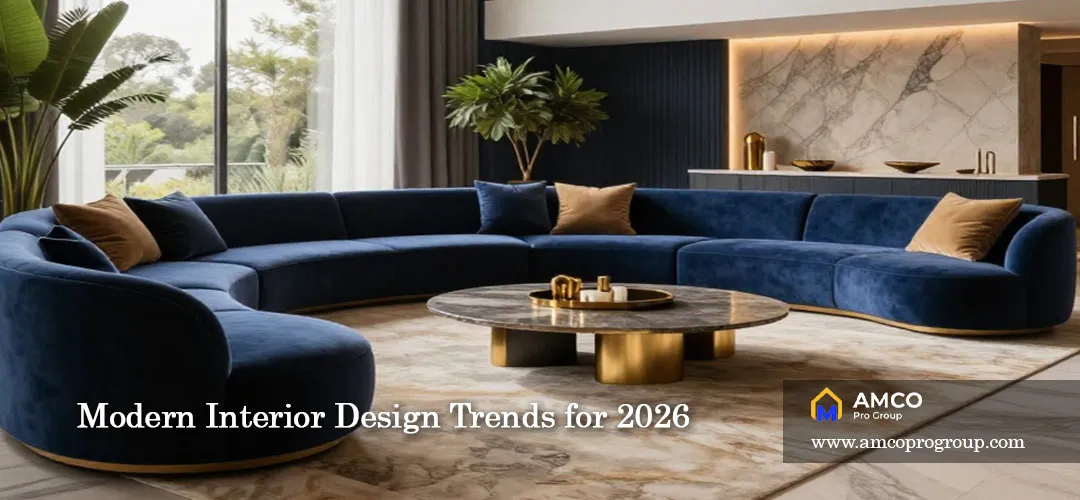
The sleek, sterile interiors of yesterday are fading fast. Forget perfectly matched sets and uninspired neutral palettes; 2026 is all about infusing spaces with personality, warmth, and intelligence. If you want to avoid common interior design mistakes and create a space that feels both modern and timeless, understanding these upcoming trends is key. This year’s design shifts are driven by a desire for authentic living, conscious consumption, and technology that enhances, rather than dominates, our environments. If you’re planning a refresh or a full renovation, understanding these upcoming trends isn’t just about style—it’s about creating spaces that are more livable, sustainable, and attuned to our modern lives.
Why 2026 Interior Design Trends Are Shifting
The pulse of interior design in 2026 is beating to a different drum, one that harmonizes with evolving global priorities and a deeper understanding of how we want to live. It’s a fascinating confluence of environmental consciousness, technological advancement, and a yearning for spaces that feel both deeply personal and profoundly connected to the world around us.
Influence of Sustainability and Climate Awareness
The urgency of climate change has moved beyond a global talking point to a fundamental driver of consumer choice, and interior design is no exception. We’re seeing a significant pivot towards materials and practices that minimize environmental impact. This isn’t just a trend; it’s a necessary evolution. Homeowners are increasingly seeking durable, responsibly sourced, and recyclable materials, alongside energy-efficient solutions. The focus is on longevity and reducing waste, making conscious choices a cornerstone of modern design.
Smart Homes & Tech-Integrated Spaces
Technology has become less of a flashy addition and more of an integrated system for comfort and efficiency. In 2026, smart home features are expected to be seamless, intuitive, and discreet. Think integrated lighting systems that adapt to natural light, climate control that learns your preferences, and entertainment systems that disappear when not in use. The goal is to leverage technology to simplify life and enhance well-being, rather than adding complexity. This move towards ‘invisible’ tech allows design to remain the hero, with functionality supporting it.
Post-Minimalism & Emotional Design
While minimalism offered a clean slate, many found it lacked soul. Enter Post-Minimalism: the embrace of simplicity enriched with texture, warmth, and curated personal touches. It’s about creating calm, uncluttered spaces that still feel inviting and deeply personal. This approach favors quality over quantity, investing in pieces that evoke emotion and tell a story. It’s a more human-centered take on uncluttered living, acknowledging our need for comfort, connection, and sensory richness in our homes. From my experience, this is where design truly becomes a reflection of personal journey, not just a style choice.
Materials & Textures Redefining Modern Spaces
The tactile experience of our homes is taking center stage in 2026. Forget cold, smooth surfaces; the emphasis is on materials that engage the senses, bringing a sense of groundedness and organic beauty indoors. Texture is no longer an afterthought but a primary design element, creating depth and character. To master this, you can learn how to use texture in modern interior design to elevate even the simplest rooms.
Natural Stone & Earth-Based Materials
The raw beauty of natural stone is experiencing a resurgence, moving beyond traditional countertops to feature walls, flooring, and even furniture. Think travertine, marble with bold veining, and locally sourced granite. These materials bring an inherent sense of luxury and permanence. Complementing stone are earth-based plasters and concretes, offering a raw, artisanal feel. These elements connect our interiors to the natural world, creating a calming and grounded atmosphere.
Warm Wood Tones & Organic Finishes
Say goodbye to cool, grey-washed woods. 2026 embraces the warmth and richness of natural wood finishes. Mid-tone oaks, walnuts, and even richer mahogany hues are making a comeback, especially in furniture, cabinetry, and accent panels. Instead of using a single finish throughout the home, designers increasingly recommend learning how to mix wood tones in interior design to create a layered and more natural aesthetic. These woods are often paired with matte or subtly oiled finishes, highlighting their natural grain and texture. This trend leans into biophilic design principles, bringing the comforting presence of wood into our living spaces for a more organic feel.
Textured Walls (Plaster, Limewash, Microcement)
Flat, painted walls are being elevated with captivating textures. Limewash and Venetian plaster offer a soft, artisanal matte finish with subtle variations in tone, creating a sense of depth and history. Microcement provides a modern, seamless look with a concrete aesthetic but can be applied to almost any surface. These textured finishes add a sophisticated, tactile dimension that bare paint simply cannot achieve. They act as a neutral yet rich backdrop, making other design elements pop.
Color Palettes Dominating 2026
Color in 2026 is moving away from stark contrasts towards more nuanced, enveloping palettes that promote well-being and sophistication. These hues are inspired by nature, art, and a desire for spaces that feel both stimulating and serene. When redesigning a room with new colors and materials, reviewing real before-and-after interior upgrades can help you see how small changes in palette and finishes completely transform a space.
.webp)
Warm Neutrals & Clay-Inspired Shades
The reign of cool grays is officially over. 2026 celebrates warm neutrals that create a cozy and inviting atmosphere. Think creamy beiges, soft taupes, and rich terracotta tones. These shades are sophisticated and versatile, serving as a perfect backdrop for bolder accents or creating a monochromatic, earthy sanctuary. They offer a sense of calm and groundedness, making spaces feel more like a personal retreat.
Deep Moody Greens & Blues
For those craving a touch of drama and sophistication, deep, moody greens and blues are the perfect choice. Emerald, forest green, deep teal, and navy blue are being used to create enveloping and luxurious spaces. These colors work exceptionally well in bedrooms, studies, or as accent walls, adding depth and a sense of tranquility. They provide a rich, sophisticated contrast to the warmer neutrals and natural materials popular this year.
Unexpected Accent Colors (Burgundy, Burnt Orange, Plum)
While serene palettes dominate, 2026 also makes room for bold, unexpected accents. Rich jewel tones like deep burgundy, burnt orange, and regal plum are appearing in furniture, textiles, and art. These colors add personality and a touch of playful opulence without overwhelming the space. Used sparingly, they can instantly elevate a room, creating a focal point and injecting a sense of modern drama. Consider a plush velvet sofa in burgundy or statement throw pillows in burnt orange.
Furniture & Layout Innovations
The way we use furniture and arrange our spaces is evolving to meet the demands of modern living. Flexibility, comfort, and artistic expression are key themes guiding these innovations.
Curved & Sculptural Furniture
Sharp edges are softening in 2026. Furniture with organic, curved silhouettes is a major trend, offering a sense of fluidity and softness. Think rounded sofas, kidney-shaped tables, and chairs with flowing lines. This trend not only adds visual interest but also enhances comfort and can make a room feel more intimate and inviting. These pieces often act as functional sculptures, blending artistry with utility.
Modular & Multifunctional Living Spaces
As living spaces become more dynamic, furniture and layouts are adapting. Modular sofas that can be reconfigured, ottomans with hidden storage, and convertible tables are becoming essential. The focus is on flexibility—spaces that can easily transition from a home office to a dining area to a relaxation zone. This is particularly relevant for smaller homes or apartments where maximizing utility is key, and excellent small space design trends are crucial.
Statement Lighting as Art
Lighting fixtures are no longer just functional; they are becoming central design elements. Oversized pendant lights, sculptural floor lamps, and artistic wall sconces are being used to make a bold statement. These pieces draw the eye, add personality, and can define different zones within an open-plan layout. Think of them as the jewelry of the room, adding the final touch of style and character. This trend emphasizes the importance of lighting design ideas that go beyond mere illumination. For homeowners looking to explore creative ways to illuminate their spaces, exploring best lighting ideas for modern interiors can offer deeper inspiration and practical guidance.
Sustainable & Eco-Conscious Interiors
Sustainability is no longer a niche concern; it’s a fundamental aspect of responsible design for 2026. Consumers are increasingly looking for ways to make their homes more environmentally friendly without sacrificing style or comfort.
Recycled & Reclaimed Materials
The use of recycled plastics, reclaimed wood, and salvaged materials is on the rise. Designers are finding innovative ways to incorporate these elements into furniture, flooring, and decorative accents. This not only reduces waste but also adds unique character and a story to the space. It’s a move towards a more circular economy in design, valuing pre-loved materials for their inherent beauty and history.
Energy-Efficient Lighting & Appliances
Beyond aesthetics, practical sustainability is key. We’re seeing a greater adoption of LED lighting, smart thermostats, and high-efficiency appliances. These choices not only reduce energy consumption and lower utility bills but also contribute to a healthier planet. The integration of these technologies is becoming more seamless, so they blend effortlessly into the overall design.
Biophilic Design & Indoor Plants
Connecting with nature indoors remains a powerful trend. Biophilic design, which incorporates natural elements like plants, natural light, and organic materials, continues to be embraced. Large indoor plants, green walls, and views of nature (real or simulated) create calming, healthier environments. This trend acknowledges our innate need to connect with the natural world, fostering well-being and reducing stress.
Smart & Invisible Technology in Design
The integration of technology into our homes is becoming more sophisticated and less intrusive. The goal for 2026 is for technology to serve us subtly, enhancing our living experience without cluttering our visual space. This is a core component of smart home design trends.
Hidden Storage & Seamless Design
To achieve a cleaner, more streamlined look, designers are prioritizing hidden storage solutions. Think integrated cabinetry that blends with walls, flush-mount appliances, and clever use of vertical space. This approach minimizes visual clutter, making rooms feel larger and more tranquil. The design emphasizes clean lines and uninterrupted surfaces.
Smart Glass & Adaptive Lighting
Window technology is evolving with smart glass that can tint on demand, offering privacy and light control. Lighting systems are becoming more intuitive, adjusting brightness and color temperature throughout the day to mimic natural light cycles, supporting our circadian rhythms. These adaptive technologies enhance comfort and well-being in subtle yet impactful ways.
AI-Powered Home Personalization
Artificial intelligence is beginning to play a role in personalizing our living environments. From smart assistants that learn our routines to HVAC systems that optimize energy use based on occupancy, AI is working behind the scenes. The focus is on creating spaces that intuitively respond to our needs, offering convenience and efficiency without requiring constant manual input.
Conclusion
The interior design landscape for 2026 is an exciting departure from the austere, offering a rich tapestry of trends that prioritize authenticity, comfort, and intelligent living. We’ve explored how natural materials, evolving color palettes, and thoughtful furniture choices are creating more inviting and personal spaces. Simultaneously, the integration of sustainable practices and discreet technology is shaping homes that are not only beautiful but also responsible and intuitive.


