Use Texture in Modern Interior Design
Published on Jun 30, 2026
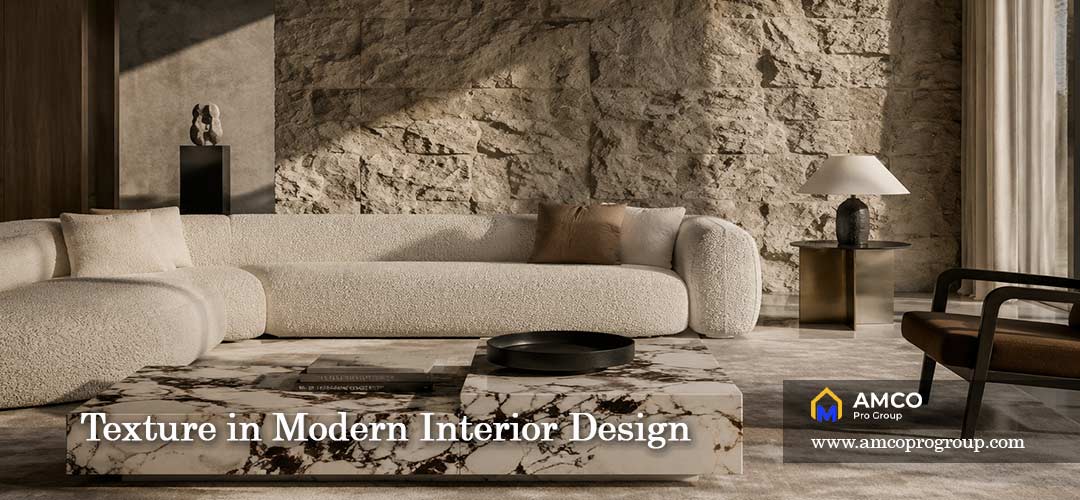
Tired of interiors that feel flat, sterile, or simply uninspired? Most modern spaces struggle to move beyond a minimalist aesthetic, often sacrificing warmth and personality for clean lines. The secret weapon you’re likely missing isn’t a bold color or a statement piece—it’s texture.
Understanding Texture in Modern Interior Design
Texture, in essence, is the surface quality of an object—how it feels or appears to feel. In interior design, this translates to the visual and tactile characteristics of materials that bring depth, interest, and soul to a space. It’s what makes you want to run your hand over a plush velvet sofa or appreciate the cool, rough feel of natural stone.
What is Texture in Design? (Visual vs. Tactile)
Understanding texture means recognizing its two forms: tactile and visual. Tactile texture is what you can physically feel—the roughness of concrete, the smoothness of polished wood, the softness of a chenille blanket. Visual texture, on the other hand, is the illusion of texture created through patterns, colors, or imagery, mimicking how light plays on surfaces. Both are crucial for a well-rounded design.
Why Texture Matters for Modern Aesthetics
Modern design often emphasizes clean lines and minimalism, which can sometimes lead to spaces feeling cold. Texture is the antidote. As seen in the latest modern interior design trends , designers are increasingly moving away from stark, sterile surfaces in favor of layered, sensory-rich environments that feel both lived-in and luxurious.
The Impact of Texture on Mood and Atmosphere
From my experience, texture has a profound psychological impact. Soft, plush textures like boucle or thick wool rugs evoke feelings of comfort, security, and relaxation—perfect for living areas and bedrooms. Conversely, smooth, hard surfaces like glass or metal can lend a sense of sophistication, order, and coolness, often suited for contemporary kitchens or entryways. Mixing these appropriately is key to crafting the desired atmosphere. Smooth stone, matte finishes, and textured wood are commonly used in modern entryway ideas to create a welcoming first impression.
Types of Textures in Interior Design
The modern design landscape, while often embracing minimalism, thrives on the nuanced interplay of textures. These elements go beyond mere visual appeal, engaging our sense of touch and contributing significantly to a space’s atmosphere, warmth, and personality. We can broadly categorize textures into visual (how they appear) and tactile (how they feel), though many materials embody both.
Smooth & Sleek Textures (e.g., polished concrete, glass, high-gloss finishes)
These textures are the epitome of modern elegance. Think of the cool, unblemished surface of a glass tabletop, the refined sheen of a high-gloss lacquered cabinet, or the polished, almost mirror-like finish of concrete floors. They reflect light beautifully, making spaces feel larger and more luminous, and offer a clean, sophisticated foundation.
Rough & Natural Textures (e.g., raw wood, stone, linen, rattan)
In contrast to smooth finishes, rough and natural textures bring an organic, grounded feel. The visible grain of reclaimed wood, the rugged surface of a natural stone slab, the slightly uneven weave of linen upholstery, or the intricate weave of a rattan chair add character and warmth. These elements connect the interior to the natural world, providing a welcome counterbalance to man-made materials.
Soft & Plush Textures (e.g., velvet, boucle, chunky knits, faux fur)
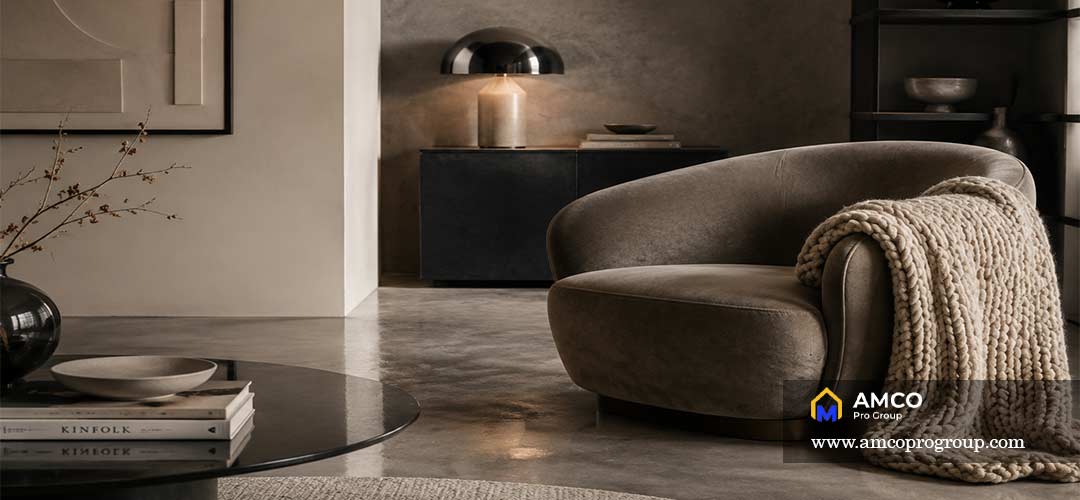
These are the textures that invite touch and create cozy sanctuaries. Velvet’s deep pile, the looped yarns of boucle, the comforting bulk of a chunky knit throw, or the luxurious feel of faux fur add immediate softness and warmth. They are excellent for softening angular modern furniture and infusing spaces with a sense of comfort and luxury.
Structured & Geometric Textures (e.g., ribbed surfaces, patterned tiles, woven fabrics)
Beyond simple smoothness or roughness, some textures offer distinct patterns and structure. Ribbed or fluted glass panels, geometric patterned tiles, or intricately woven fabrics create visual interest through their repetitive forms. These textures add a layer of sophisticated detail and can guide the eye, adding dimension without overwhelming the space.
Strategic Placement of Texture in Your Home
Introducing texture isn’t just about choosing materials; it’s about where and how you use them. Strategic placement ensures that texture enhances your space rather than detracts from it, contributing to both aesthetics and functionality.
Walls: Beyond Paint (e.g., textured wallpaper, wood paneling, stone accents)
Walls are large canvases that offer immense potential for textural impact. Beyond flat paint, consider the subtle elegance of grass cloth or linen-look wallpaper, the architectural interest of vertical wood paneling, or a dramatic accent wall clad in natural stone or textured tiles. These elements can anchor a room or add a sophisticated backdrop.
Floors: Foundation of Tactility (e.g., rugs, polished concrete, natural wood)
The floor is the first surface we interact with when entering a space, making its texture crucial. A plush, high-pile rug can instantly warm up a room with polished concrete or hardwood floors. Conversely, a sleek, honed stone floor can ground a space filled with softer furnishings. Even the finish of natural wood—matte, satin, or high-gloss—significantly alters its textural feel.
Furniture: The Tactile Hub (e.g., upholstery, accent chairs, tables)
Furniture pieces are often the most tactile elements in a room. Upholstery is a prime opportunity: opt for the luxurious depth of velvet on a sofa, the natural charm of linen on accent chairs, or the smooth, cool touch of leather. Even coffee tables or side tables offer textural interest, whether through the rough grain of a live-edge wood slab or the smooth finish of a stone top.
Decor & Accessories: The Finishing Touches (e.g., cushions, throws, art, plants)
The smaller details often make the biggest difference. Layering decorative cushions and throws in varied textures—a chunky knit throw over a smooth velvet sofa, silk cushions on a linen chair—instantly adds depth and comfort. Even the texture of artwork, the smooth ceramic of a vase, or the natural form of plants contribute to the overall tactile richness of the space.
Balancing Textures for a Cohesive Modern Look
Achieving a successful blend of textures requires a thoughtful approach. The goal is to create visual harmony and interest, not a chaotic jumble. This is where the art of balancing comes into play, ensuring each texture contributes positively to the overall design. Layered textures are especially effective in shared spaces, which is why many of the best modern dining room ideas combine wood, fabric, stone, and lighting for depth.
The Rule of Three: Balancing Contrasting Textures
A common guideline is to use a “rule of three” when balancing textures. This means selecting three dominant textural types for a room and ensuring they are present in roughly equal measure. For instance, you might pair smooth (glass, metal) with rough (wood, stone) and soft (fabric), ensuring no single type overpowers the others. This creates a dynamic yet balanced composition.
Avoiding Overwhelm: Texture Density and Visual Weight
It’s easy to go overboard. Texture density refers to how much visual “busyness” a texture introduces. A highly textured surface has more visual weight. In modern design, it’s often best to use dense textures strategically as accents rather than everywhere. Consider balancing a highly textured rug with simpler, smoother wall finishes to prevent visual fatigue. This is a critical part of our small space decorating ideas.
Color and Texture Harmony in Modern Design
Color and texture work hand-in-hand. Darker colors can enhance the perceived depth of rough textures, while lighter colors can make smooth surfaces feel even more expansive. Consider how your chosen colors will interact with the textures. For example, a deep charcoal boucle might feel more dramatic than a light cream one. Aim for a palette where colors and textures complement rather than compete. Texture also plays a major role in the debate around neutral vs bold interiors , helping both styles feel balanced and visually engaging.
Creating Focal Points with Texture
Texture can be a powerful tool for drawing attention. A single wall clad in a unique textured material, a dramatically textured accent chair, or a large, intricately woven rug can serve as a compelling focal point. By using texture deliberately, you can guide the eye and add visual hierarchy to your modern interior design.
Modern Materials Highlighting Texture
The choice of materials is fundamental to how texture manifests in modern interiors. Focusing on materials known for their distinct surface qualities ensures your design choices have a significant textural impact. Natural wood, marble, brushed brass, and boucle are considered some of the best materials for a modern luxury home Interior due to their rich tactile appeal.
Natural Wood Varieties (Oak, Walnut, Teak) and Finishes
Wood is incredibly versatile. The deep grain of walnut, the open pores of oak, or the rich warmth of teak offer inherent natural texture. The finish is equally important: a matte, natural oil finish highlights the wood’s raw feel, while a high-gloss lacquer creates a sleek, modern surface that still showcases the wood’s underlying pattern.
Stone and Concrete Applications (Marble, Granite, Microcement)
Stone brings a sense of permanence and natural beauty. The veining in marble, the speckled patterns in granite, or the organic variations in natural slate provide unique tactile and visual experiences. Modern applications like microcement offer a seamless, matte concrete look that can be both rough and refined, adding industrial chic.
Metals and Glass (Brushed Brass, Matte Black, Frosted Glass)
Metals and glass offer different textural dimensions. Brushed brass provides a warm, subtly textured metallic finish, contrasting with the sleekness of polished chrome. Matte black finishes absorb light, creating a sophisticated, soft-edged look. Frosted or reeded glass offers privacy while diffusing light and introducing a textured visual element.
Fabric Choices (Boucle, Velvet, Linen, Leather, Wool)
Fabrics are perhaps the most accessible way to introduce diverse textures. Boucle offers a looped, nubby surface; velvet provides a dense, soft pile; linen presents a natural, slightly slubby weave; leather offers a smooth or grained feel that ages beautifully; and wool, especially in chunky knits or felted forms, provides warmth and substantial texture.
Practical Tips for Incorporating Texture
Translating the concept of texture into a tangible design requires practical steps. Here’s how to effectively introduce textural elements into your modern home without feeling overwhelmed.
Start Small: Accent Pieces and DIY
If you’re new to texture, begin with smaller items. A textured throw pillow, a decorative ceramic vase, or a small woven basket can add subtle interest. For a more involved approach, consider DIY projects like adding textured paint to a small accent piece of furniture or creating a feature wall with peel-and-stick textured wallpaper.
Layering for Depth: Rugs, Throws, and Cushions
Layering is fundamental to creating a rich, inviting atmosphere. Start with a base rug (e.g., a jute or sisal for natural texture) and layer a softer, plusher rug on top. Drape throws in contrasting materials (e.g., a faux fur over a knit) over sofas and chairs, and mix cushion textures and sizes. This technique adds immediate visual and tactile depth.
Consider Lighting’s Role in Highlighting Texture
Light is crucial for revealing texture. Direct or directional lighting can emphasize the highs and lows of a textured surface, making it more prominent. Consider wall sconces that cast shadows on textured walls, or spotlights focused on textured art or furniture. Soft, ambient light can highlight plushness and softness.
Maintenance and Durability of Different Textures
When selecting textures, especially for high-traffic areas, consider practicality. Rough textures like natural stone or certain woods can be very durable but may require sealing. Plush fabrics like velvet or faux fur might require more frequent cleaning. Opt for materials that suit your lifestyle and the room’s intended use.
Common Texture Mistakes to Avoid
Even with the best intentions, it’s possible to misstep when incorporating texture. Being aware of these common pitfalls can help you steer clear of design faux pas and ensure your efforts result in a harmonious space.
Clashing Textures and Patterns
While contrast is good, clashing is not. Avoid combining too many busy, competing patterns or textures that fundamentally fight each other visually. For example, a very ornate, highly patterned wallpaper might not pair well with a heavily textured, visually complex rug. Aim for a curated mix where elements have room to breathe.
Too Much of a Good Thing: Texture Overload
It’s tempting to use texture everywhere, but this can lead to a space feeling overwhelming, cluttered, or visually noisy. Moderation is key. Select a few key areas or materials to showcase texture prominently and allow other elements to provide a calmer backdrop. Remember, negative space is as important as positive space.
Neglecting Tactile Experience for Purely Visual Appeal
Sometimes, a texture might look good but feel unpleasant or impractical to the touch. In spaces designed for relaxation or comfort, always consider the tactile experience. Ensure that the surfaces people will interact with regularly offer a pleasant feel, contributing to the overall comfort and invitation of the room.
Conclusion
Texture is the unsung hero of modern interior design. It’s the bridge between stark minimalism and inviting warmth, the subtle language that speaks of comfort, personality, and sophisticated living. Texture can completely transform flat spaces, much like these before-and-after Interior upgrades that showcase the power of layered materials and finishes. By understanding and strategically employing the diverse world of tactile and visual textures – from the sleek elegance of polished concrete to the organic embrace of raw wood, the luxurious depth of velvet, and the structured intrigue of woven patterns – you can transform flat, uninspired spaces into rich, multi-sensory environments.


