Best Modern Dining Room Ideas for Open-Concept Homes
Published on Jun 14, 2026
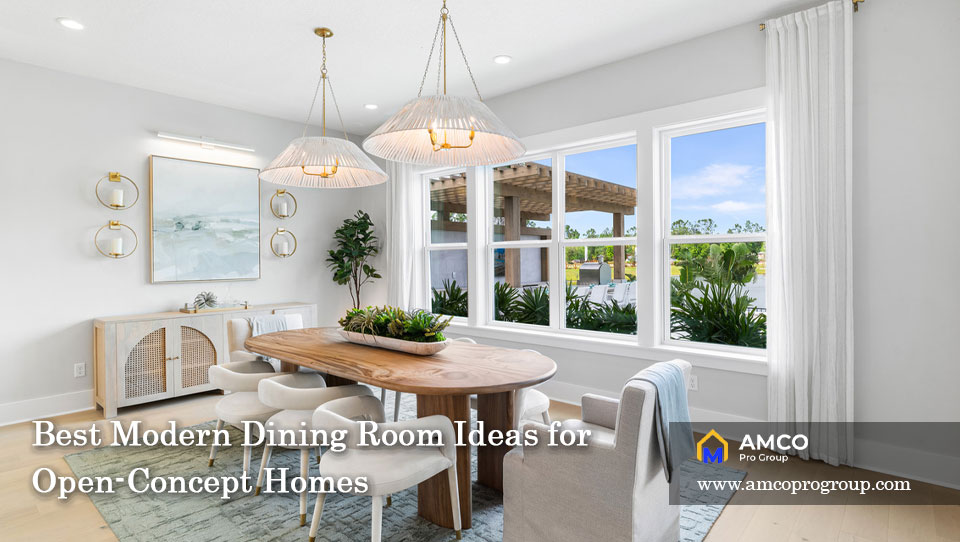
Defining distinct zones in an open-concept home can feel like a high-wire act. How do you carve out a purposeful dining area without sacrificing flow or making the space feel cluttered? For those drawn to modern aesthetics, this challenge is amplified. Modern design thrives on clean lines and uncluttered spaces, which can seem at odds with the need to delineate a functional dining zone. The real-world challenge is achieving both definition and a sense of seamless integration.
Understanding the Open-Concept Dining Challenge
Open-concept living offers a desirable sense of spaciousness and connection, but it demands thoughtful design to prevent areas from feeling like they’re bleeding into one another. The dining area, often a focal point for gatherings, needs to feel intentional yet harmoniously integrated.
The Balance: Connection vs. Definition
The primary goal is to create a dining space that feels like its own area without the need for physical walls. This means leveraging design elements to subtly signal “this is the dining room” while ensuring it visually connects with the adjacent living and kitchen spaces, much like the cohesive strategies outlined in timeless modern kitchen design ideas. From my experience, the most successful open-concept designs master this balance, feeling both unified and functionally distinct.
The Essence of Modern Design
Modern design, at its core, emphasizes simplicity, functionality, and a connection to natural materials. Think clean lines, uncluttered surfaces, a restrained color palette, and an emphasis on form and material. When applying this to a dining area within an open concept, it means every element—from the table shape to the lighting fixture—should contribute to a cohesive, sophisticated, and uncluttered look.
Common Pitfalls to Avoid
Many homeowners struggle with creating an open-concept dining space that feels too generic or, conversely, too disconnected. A common pitfall is simply placing a table and chairs in a void, hoping it defines itself. Another is over-furnishing or using jarring colors that disrupt the flow—issues frequently highlighted in common interior design mistakes. We aim to avoid these by being deliberate with every choice.
Strategic Zoning: Creating a Dedicated Dining Nook
Defining your dining area is crucial for functionality and aesthetic appeal in an open-concept layout. It’s about creating a visual and psychological boundary that signals the purpose of the space.
The Power of Rugs: Size, Shape, and Placement
Rugs are perhaps the most straightforward way to anchor a dining area. The key is selecting the right size and shape. Ideally, a dining rug should be large enough to accommodate the table and all chairs, even when pulled out. This ensures the entire dining setup remains on the rug, reinforcing the zone. Rectangular rugs are standard, but a round rug can soften the edges of a square or round dining table.
Furniture Arrangement for Spatial Definition
How you arrange your dining furniture can significantly impact how the space is perceived. Position the dining table with clear pathways around it, ensuring it doesn’t obstruct the natural flow between other areas like the living room or kitchen. Consider placing the table slightly off-center or using a piece of furniture, like a slim console table behind the dining chairs, to create a subtle separation from a living area.
Architectural Elements: Ceilings, Walls, and Dividers
Subtle architectural cues can also define a dining zone. A change in ceiling treatment, such as a dropped ceiling or a distinct lighting installation, can visually set the dining area apart. Low half-walls, open shelving units, or even strategically placed large plants can act as soft dividers without blocking light or sightlines. These elements work by creating a frame for the dining space.
Lighting as a Zoning Tool
Lighting is a powerful tool for zoning in open-concept homes, a concept discussed in detail in the modern interior lighting ideas guide. A distinct pendant light or chandelier suspended directly over the dining table immediately draws the eye and signals the area’s purpose. This fixture acts as a visual anchor, creating a dedicated focal point within the larger space.
Modern Dining Furniture Essentials
Selecting the right furniture is paramount to achieving a modern aesthetic that complements the open-concept layout. It’s about choosing pieces that are functional, stylish, and contribute to the overall sense of sophisticated simplicity.
Sleek Dining Tables: Materials and Shapes
Modern dining tables often feature clean lines and minimalist designs. Materials like glass, sleek wood finishes (walnut, oak), marble, or even concrete lend themselves well to a contemporary look. Shapes can vary: a rectangular table is classic and works well for larger spaces or flow, while a round or oval table can foster a more intimate feel and easier movement around the perimeter. The choice often depends on the available space and desired flow patterns.
Contemporary Chairs: Comfort Meets Design
Dining chairs in a modern context are as much about design as they are about comfort. Look for chairs with sculptural forms, simple silhouettes, and materials that either complement or provide a subtle contrast to the table. Upholstered chairs can add warmth and comfort, while chairs in metal, acrylic, or molded plastic offer a sleeker, more minimalist feel. Ensuring the chairs tuck neatly under the table when not in use maintains a clean look.
Essential Storage: Buffets and Sideboards
For open-concept spaces, streamlined storage is key. A modern buffet or sideboard can provide crucial storage for dining essentials (linens, serveware) while also serving as a display surface for art or decorative objects. Opt for pieces with clean hardware or handle-less designs, and materials that echo the table or chairs to maintain visual harmony. This piece helps ground the dining area and adds functional depth.
Lighting: The Ambiance Architect
Lighting plays a pivotal role in defining spaces and setting the mood, especially in an open-concept layout. For a modern dining area, lighting should be both functional and a statement piece.
Statement Pendants and Chandeliers
As mentioned, a striking pendant light or a minimalist chandelier directly above the dining table is a hallmark of modern dining room design. This fixture acts as a visual anchor, clearly defining the dining zone. Modern designs often feature geometric shapes, sleek metallic finishes, or unique material combinations. The scale should be appropriate for the table size and the overall room.
Layered Lighting: Ambient, Task, and Accent
Beyond the overhead fixture, layering light sources enhances both functionality and ambiance. Ambient lighting (general illumination, perhaps from recessed lights or a dimmer ceiling fixture) provides overall brightness. Task lighting, focused on the tabletop, is primarily covered by the statement pendant. Accent lighting can be used to highlight artwork on a nearby wall or the features of a sideboard.
Smart Lighting for Modern Homes
Incorporating smart lighting systems can add a layer of modern convenience and control. Dimmable smart bulbs allow you to adjust the intensity and even color temperature of your dining room lights to suit different occasions—brighter for dining, softer for after-dinner conversation. This integration supports the seamless, tech-savvy aspect of modern living.
Color Palettes & Material Harmony
Achieving a cohesive look across an open-concept home requires a thoughtful approach to color and materials, ensuring the dining area feels integrated yet distinct.
Achieving Cohesion Across Zones
The trick to cohesion is carrying elements through the different areas. This could mean repeating a specific wood tone from your kitchen cabinets in your dining table, using a color from your living room sofa in dining chair upholstery, or maintaining a consistent metal finish (e.g., brushed nickel, matte black) across lighting fixtures, furniture hardware, and decor. This creates a visual thread that ties the spaces together.
Modern Neutrals and Accent Colors
Modern design often leans on a neutral base palette – think whites, grays, blacks, and earthy tones—as explored in the neutral vs bold interiors guide. These serve as a sophisticated backdrop. Accent colors can then be introduced through artwork, textiles (like cushions on chairs or a table runner), or even a bold statement pendant light. The key is restraint; a few well-chosen accents are more impactful than an overwhelming display.
Material Choices: Wood, Metal, Glass, and Stone
The materials you choose will define the tactile and visual experience of your modern dining room, similar to the selection principles in modern luxury home materials guide. Natural wood adds warmth, metal provides a sleek, industrial edge, glass offers lightness and a sense of transparency, and stone (like marble or granite for tabletops or accents) brings a touch of luxury. Harmonizing these materials—perhaps a wooden table with metal-legged chairs and a glass-topped sideboard—creates visual interest without chaos.
Elevating Your Open-Concept Dining Experience
Beyond the foundational elements of zoning, furniture, and lighting, several details can elevate your modern open-concept dining area from functional to fabulous.
Art and Decor: Personalizing the Space
Your dining area is an opportunity to express personality. In a modern context, this means curated pieces. A single, large abstract artwork on a feature wall, a collection of minimalist sculptures on a sideboard, or a striking vase arrangement can all enhance the space. Avoid clutter; choose items that make a statement without overwhelming the area.
Integrating Greenery: Biophilic Design
Bringing nature indoors is a cornerstone of modern design. Plants add life, color, and texture in interior design which is essential for keeping a minimalist space from feeling sterile. A well-placed large potted plant in a corner, a stylish planter on a sideboard, or even a small herb garden on a windowsill can significantly enhance the ambiance of your modern dining area.
Table Settings for Modern Entertaining
The way you set your table can transform the dining experience. For a modern aesthetic, think minimalist placemats, sleek cutlery, and simple glassware. A stylish runner or a contemporary centerpiece can add the finishing touch. Even everyday dining can feel special with thoughtful table settings that align with the room’s modern vibe.
Putting It All Together: Inspiring Modern Open-Concept Dining Rooms
Let’s look at how these principles come together in real-world scenarios, showcasing diverse modern interpretations within open-concept homes.
Case Study 1: Minimalist Haven
Imagine a space where a light oak dining table with thin, black metal legs is centered on a large, low-pile gray rug. Eight minimalist chairs with subtly curved backs in a neutral fabric surround it. Above, a linear black pendant light spans the table’s length. A simple white sideboard with handleless drawers sits against a wall, adorned with a single sculptural ceramic piece. The adjacent living area features a neutral sofa and a simple coffee table, maintaining the clean, uncluttered feel.
Case Study 2: Warm Industrial Fusion
Here, a reclaimed wood dining table with robust, dark metal legs defines the zone. The chairs are a mix of leather upholstered seats with metal frames. Lighting might feature exposed bulbs in geometric cages. A dark, matte metal sideboard offers storage. This style embraces natural textures and a slightly more rugged, yet still modern, feel, often complemented by exposed brick or concrete accents in the surrounding open space.
Case Study 3: Scandinavian Chic
This approach features a light-colored wood dining table, perhaps with tapered legs. The chairs are iconic Scandinavian designs – often bentwood or molded plastic in white or light gray, possibly with wooden legs. A simple, woven pendant light or a cluster of spherical lights hangs above. A light-colored sideboard with simple hardware completes the look. This style prioritizes natural light, functionality, and a serene, airy atmosphere that naturally complements open living.
Conclusion
Creating a stylish and functional modern dining area in an open-concept home is achievable by strategically employing zoning techniques, selecting minimalist furniture, using lighting as a focal point, and harmonizing materials and colors. The key is to establish a distinct dining zone that complements, rather than competes with, the surrounding living and kitchen spaces, fostering both cohesion and individual purpose.


