Matte vs Satin Cabinet Finish: Ultimate Guide
Published on Jun 14, 2026
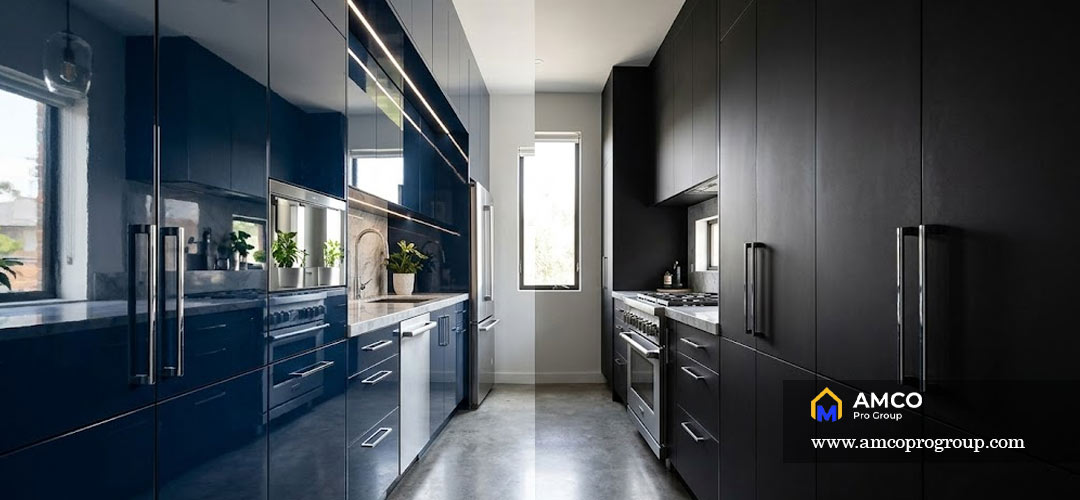
Matte vs. Satin Cabinet Finish: The Ultimate Comparison for Your Home
Choosing the right cabinet finish is more than just picking a color; it’s about selecting a surface that complements your home’s aesthetic, withstands daily life, and meets your practical needs. For many, the decision boils down to two popular choices: matte and satin. But what’s the real difference, and which one is truly “better” for your specific project?
From our experience, the “best” finish isn’t universal. It depends entirely on your priorities – whether that’s a velvety smooth look, exceptional durability, or ease of maintenance. Let’s cut through the confusion and equip you with the insights needed to make the perfect choice for your cabinets.
What is a Cabinet Finish?
At its core, a cabinet finish is the protective and decorative coating applied to the surface of cabinetry. This could be paint, lacquer, varnish, or other specialized coatings. The primary roles of a finish are to protect the underlying material (like wood, MDF, or particleboard) from moisture, stains, and wear, while also dictating the cabinet’s final appearance in terms of color, sheen, and texture.
The Importance of Finish in Cabinetry
The finish you choose profoundly impacts both the look and the longevity of your cabinets. It’s not just about aesthetics; it’s a functional layer that shields your investment. A well-chosen finish can make cabinets easier to clean, more resistant to damage, and can even influence how light plays in a room.
When considering the spectrum of sheens available, matte and satin finishes often stand out as prime contenders for their balance of style and practicality. However, understanding their distinct characteristics is key to avoiding common mistakes.
Matte Cabinet Finish: Pros, Cons, and Characteristics
A matte finish offers a sophisticated, understated look that has become increasingly popular in modern and transitional interior design. It’s characterized by its lack of reflectivity, creating a soft, almost velvety appearance.
Defining Matte: Low Sheen, Velvet Feel
A true matte finish has a sheen level of 5% or less. This means it absorbs light rather than reflecting it. The result is a luxurious, chalky, or velvety texture that feels smooth to the touch. This minimal sheen can make colors appear deeper and richer, providing a high-end, contemporary feel to any space.
Advantages of Matte: Sophistication, Fingerprint Resistance, Hides Imperfections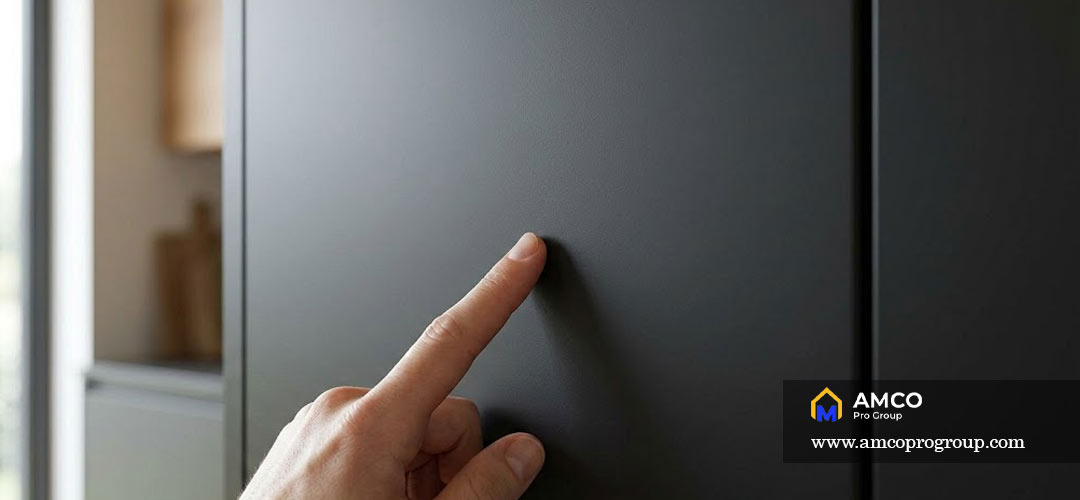
- Sophisticated Aesthetic: Matte finishes exude a modern, elegant, and high-end look that can elevate the entire room.
- Excellent Fingerprint Resistance: Due to the low reflectivity, fingerprints and smudges are significantly less noticeable on matte surfaces compared to glossier finishes. This is a major plus for busy kitchens and homes with children.
- Hides Imperfections: The non-reflective nature helps to mask minor surface imperfections, small dents, or inconsistencies in the substrate, making it forgiving for both application and long-term wear.
- Rich Color Depth: Matte finishes often make colors appear more saturated and true to their pigment, offering a soft, non-glaring visual.
Disadvantages of Matte: Can be Harder to Clean, Less Reflective
While appealing, matte finishes do come with a few drawbacks. The porous nature that contributes to its velvety feel can also make it more challenging to clean off stubborn stains or grease. Vigorous scrubbing can sometimes dull the finish further or even damage it. Additionally, their lack of light reflection means they don’t help brighten a room, which can be a consideration for smaller or darker spaces.
Best Use Cases for Matte Finishes
Matte finishes are highly versatile and offer several advantages. They are well-suited for modern and minimalist kitchens and bathrooms, as their sleek and understated appearance complements these design styles perfectly. Additionally, matte surfaces are ideal for high-traffic areas such as kitchens and bathrooms because they resist fingerprints, which is very practical where cabinets are frequently touched. In living rooms and entertainment centers, matte finishes add a touch of sophistication and luxury without overwhelming the space. Furthermore, for cabinets with intricate details and designs, a matte finish helps to highlight the shape and craftsmanship by minimizing glare and distracting reflections. If you’re looking for the best cabinet paint for kitchens that offers a contemporary look, matte is often a top contender.
Satin Cabinet Finish: Pros, Cons, and Characteristics
Satin finishes strike a balance between a completely flat appearance and a high-gloss shine. They offer a soft luster that is both appealing and practical, making them a perennially popular choice for cabinetry.
Defining Satin: Soft Sheen, Smooth Texture
A satin finish typically sits in the mid-sheen range, often around 25-35% gloss. It possesses a subtle, smooth glow that is more reflective than matte but less so than semi-gloss or high-gloss finishes. This gentle sheen provides a pleasant tactile feel and a visually pleasing depth without the harsh glare of glossier options.
Advantages of Satin: Durability, Easy to Clean, Subtle Luster
- Durability and Washability: Satin finishes are generally more durable and easier to clean than matte finishes. They hold up better to scrubbing and are more resistant to stains and grease, making them ideal for demanding environments.
- Subtle Luster: The soft sheen adds a touch of elegance and visual interest, reflecting light gently to make cabinets appear more vibrant and inviting.
- Good All-Around Performance: It offers a great compromise between the understated look of matte and the high reflectivity of glossier finishes, performing well in most situations.
- Hides Minor Imperfections (Better than Gloss): While not as forgiving as matte, satin is still better at hiding minor imperfections than high-gloss finishes.
Disadvantages of Satin: Can Show Fingerprints More, May Highlight Imperfections
The increased reflectivity of a satin finish means it can show fingerprints and smudges more readily than a matte surface, especially in darker colors. While it hides imperfections better than gloss, it’s not as adept as matte at concealing them. For extremely high-traffic areas or if you prioritize absolute fingerprint invisibility, matte might still edge it out.
Best Use Cases for Satin Finishes
Satin is a highly reliable finish that performs exceptionally well in a variety of settings. Its combination of durability, ease of cleaning, and attractive subtle sheen makes it an ideal choice for kitchens and bathrooms, where functionality is key. For family homes, satin’s moderate resistance to fingerprints and simple maintenance make it especially suitable for environments with children or pets. This finish also complements traditional and transitional interior designs with its classic and soft luster, blending well with many styles. Satin is versatile enough to be used on all types of cabinets—from base and upper cabinets to pantry doors and vanities—providing consistent performance and visual appeal. When evaluating overall durability of cabinet finishes, satin frequently stands out as a strong and dependable option.
Matte vs. Satin: A Direct Comparison
To make an informed decision, let’s pit matte and satin finishes head-to-head across key comparison points. Understanding these differences will clarify which finish aligns best with your lifestyle and design goals.
Visual Appearance: Sheen and Light Reflection
- Matte: Absorbs light, resulting in a flat, velvety, non-reflective surface. Colors appear deep and rich.
- Satin: Reflects light softly, offering a gentle, smooth sheen. Colors appear vibrant with a subtle glow.
Durability and Scratch Resistance
- Matte: Generally less durable than satin. While it hides minor scratches well due to its low sheen, deep scratches or wear can be more noticeable and harder to repair without affecting the overall finish.
- Satin: Typically more durable and resilient. It withstands everyday wear and tear better and is less prone to chipping or scratching than matte, making it a superior choice for cabinet finish for high traffic areas.
Maintenance and Cleaning
- Matte: Can be more challenging to clean. Stubborn stains, grease, or food splatters may require careful cleaning to avoid dulling the surface or leaving marks.
- Satin: Easier to maintain. Its smoother, less porous surface allows for more straightforward cleaning with mild detergents and a soft cloth, effectively removing most everyday grime. This ease of cleaning is a significant factor for busy households. For in-depth guidance, always refer to “how to clean kitchen cabinets” resources.
Impact on Color and Perceived Space
- Matte: Enhances color saturation, making hues appear deeper. It can make a room feel more intimate or cozy due to its light-absorbing quality.
- Satin: Offers a balanced color appearance with a slight lift from the sheen. It can make a space feel a bit brighter and more open than matte, without the starkness of gloss.
READ MORE : Neutral Interiors vs Bold Interiors
Application and DIY Friendliness
- Matte: Requires meticulous application to avoid lap marks or inconsistencies, as any slight variation in sheen can be noticeable.
- Satin: More forgiving for DIY applications. The slight sheen helps to even out brush strokes or roller marks, making it easier to achieve a professional-looking finish. If you’re considering a DIY project, exploring “DIY cabinet finishing” tips is highly recommended.
Factors to Consider When Choosing
The ideal finish for your cabinets hinges on several personal and practical considerations. Thinking through these points will guide you toward the most suitable choice for your home.
Your Home’s Style and Aesthetic
Your home’s style and aesthetic often influence the choice of finish. For modern and minimalist interiors, matte finishes are usually the best fit, providing a sleek and contemporary appearance. In traditional and transitional designs, satin finishes bring a classic and elegant vibe that harmonizes well with these styles. For farmhouse or rustic settings, matte finishes help emphasize a cozy and muted atmosphere, whereas satin finishes add a slightly more polished and refined touch.
Room Type and Usage (Kitchen, Bath, Living Area)
The type of room and its usage play a key role in selecting the right finish. Kitchens experience high traffic and exposure to grease and food stains, making satin finishes advantageous due to their durability and ease of cleaning, while matte finishes are also appealing because of their resistance to fingerprints. In bathrooms, moisture is a concern for any finish, so proper sealing is essential; both matte and satin finishes can perform well, with satin’s ease of cleaning providing an extra benefit. For living areas and bedrooms, aesthetics often take priority—both finishes are suitable, with matte offering a sophisticated, understated backdrop and satin contributing a soft, warm visual appeal.
Budget and Maintenance Preferences
When considering budget and maintenance preferences, both matte and satin finishes are generally similar in paint cost. However, long-term expenses may vary depending on maintenance needs; matte finishes might require more frequent professional cleaning or touch-ups, which can increase overall costs. If you prefer a low-maintenance option with easy wipe-downs, satin is the better choice. On the other hand, if you’re willing to invest a bit more effort to achieve a particular aesthetic, matte finishes remain a viable option.
Expert Tips and Common Pitfalls to Avoid
Drawing on years of experience in interior design and cabinet refinishing, here are some crucial insights to help you navigate the matte vs. satin decision with confidence.
When to Opt for Matte (and When Not To)
- Opt for Matte when: You desire a sophisticated, modern, or ultra-contemporary look; fingerprint resistance is a top priority; the cabinets are in a lower-traffic area or you’re meticulous about cleaning; you want deep, rich color saturation.
- Avoid Matte when: You need extreme durability for a heavily used kitchen; you prefer very easy, no-fuss cleaning; the space is small or poorly lit and needs light reflection.
When to Opt for Satin (and When Not To)
- Opt for Satin when: You want a versatile, balanced finish that works in most rooms; durability and ease of cleaning are paramount; you desire a subtle sheen that adds warmth and dimension; you’re undertaking a DIY project and want a more forgiving finish.
- Avoid Satin when: You absolutely need zero fingerprint visibility; you are aiming for an extremely flat, modern aesthetic with no sheen whatsoever.
Conclusion
Choosing between matte and satin cabinet finishes ultimately depends on your personal priorities, lifestyle, and the specific needs of your space. Matte finishes offer a sleek, sophisticated look with excellent fingerprint resistance and rich color depth, making them ideal for modern, minimalist, and lower-traffic areas where aesthetics are paramount. On the other hand, satin finishes provide a durable, easy-to-clean surface with a soft, elegant sheen that works well in busy kitchens, bathrooms, and family homes, as well as in traditional and transitional designs.


