17 Curbless Shower Ideas That Elevate Your Bathroom
Published on Jun 14, 2026
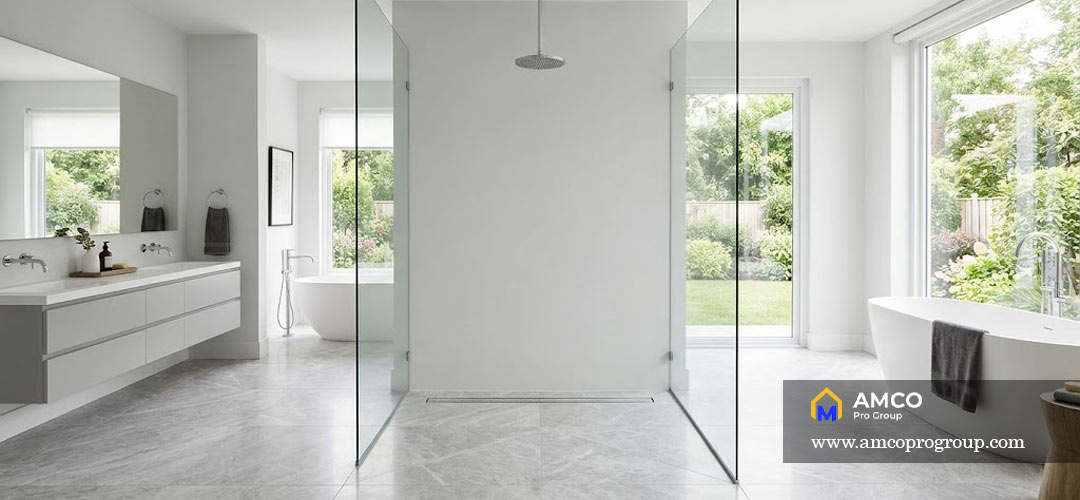
17 Curbless Shower Ideas That Instantly Elevate Your Bathroom
Most bathrooms feel smaller than they actually are. The culprit is often the traditional shower curb — that small step that visually chops the room in half. Remove it, and the entire space opens up.
Curbless showers (also called walk‑in or barrier‑free showers) have become a cornerstone of modern bathroom design because they combine accessibility, clean aesthetics, and practical functionality. Designers use them in luxury spa bathrooms, compact apartments, and aging-in-place bathroom layouts alike.
If you’re planning a remodel or gathering inspiration, the ideas and practical tips below will help you design a curbless shower that actually works in the real world.
What Is a Curbless Shower?
A curbless shower removes the raised edge that normally separates the shower from the rest of the bathroom floor. Instead, the floor slopes gently toward a shower drain, allowing water to flow away without needing a barrier.
In other words, the shower becomes a seamless extension of the bathroom floor.
This design is common in wet room showers, open-concept bathrooms, and accessibility-focused layouts. Architects often combine it with frameless glass panels, large-format tiles, and linear drains to create a clean, uninterrupted look.
Definition and Key Design Features
Curbless showers use a seamless floor design that continues from the bathroom into the shower area. Instead of a raised curb, the floor is built with a gentle slope that directs water toward a shower drain, often a linear drain or center drain.
A proper waterproof shower system is installed beneath the tile to prevent leaks and moisture damage. Many designs also use frameless glass panels to keep the space open while controlling water splash.
How Curbless Showers Differ From Traditional Showers
Traditional showers use a raised curb or threshold to keep water inside the shower area. A curbless shower works differently by using floor design and drainage instead of a physical barrier. The bathroom floor continues into the shower with continuous tile flooring, and the surface is slightly sloped so water flows toward an integrated shower drain.
Because this system depends on proper floor structure and drainage, curbless shower installation is often planned during bathroom remodeling or new construction.
Benefits of a Curbless Shower Design
The appeal of a curbless shower goes far beyond modern style. It solves practical issues that many homeowners deal with every day.
First, it improves accessibility. A wheelchair-accessible shower or ADA shower design removes the step-over barrier, making entry easier and safer for seniors and anyone planning an aging-in-place bathroom. It also eliminates common tripping hazards.
Second, it enhances visual space. By using continuous tile flooring, a curbless shower makes a small bathroom look larger and more open. The seamless layout fits perfectly with today’s modern bathroom design trends.
Finally, maintenance becomes simpler. With no curb or tight corners, there are fewer places for grime to collect, which makes cleaning easier and more efficient. That combination of function and design is why many interior designers recommend curbless showers for both style and long-term usability.
Improved Accessibility and Aging-in-Place Design
Curbless showers are one of the most effective features for creating an accessible bathroom. Because the floor is level with the rest of the room, the shower is easier to enter for people using wheelchairs, seniors with limited mobility, or anyone who benefits from a safer, step‑free layout.
This barrier‑free design also makes it simple to add shower benches, grab bars, or other supportive features. That’s why many ADA shower design guidelines highlight curbless layouts as a preferred option for aging‑in‑place bathrooms.
Makes Small Bathrooms Look Larger
One of the biggest advantages of a curbless shower is how it improves the sense of space. When the same tile flooring continues from the bathroom into the shower, the room feels more open and visually connected.
This continuous tile floor removes the visual break created by a traditional shower curb, allowing sight lines to extend across the room. When combined with frameless glass panels, the shower area almost disappears, making the entire bathroom appear wider and less crowded. For a small bathroom, this design approach can significantly improve both the look and functionality of the space.
Easier Cleaning and Maintenance
A traditional shower curb often collects soap residue, water stains, and mildew over time. Those tight edges and corners require extra scrubbing and regular upkeep.
A curbless shower removes that raised edge completely, which means fewer areas where moisture and grime can build up. When combined with large‑format tile and minimal grout lines, cleaning becomes quicker and more manageable. For many homeowners, this lower‑maintenance design is one of the most practical benefits of a modern walk‑in shower.
15 Stunning Curbless Shower Ideas for Any Bathroom
Curbless showers work across a wide range of design styles — from ultra-modern apartments to rustic spa bathrooms.
Below are some of the most effective layouts designers use.
A glass‑enclosed curbless shower is one of the most popular designs in modern bathrooms. It keeps the open, seamless look of a walk‑in shower while still helping control water splash.
Most designs use frameless glass shower panels, which maintain visibility across the room and allow the tile design to stand out. This layout works especially well in medium‑sized bathrooms, where homeowners want the openness of a curbless shower without letting water spread across the entire floor.
Open Walk-In Wet Room Style
An open walk‑in wet room takes the curbless concept even further. Instead of a separate shower enclosure, the entire bathroom floor is waterproofed so the shower blends directly into the space.
This layout creates a very clean minimalist bathroom design and offers excellent accessibility because there are no barriers or tight entry points. With proper drainage and waterproofing, a wet room shower is also easier to clean since the open layout reduces corners and enclosed areas where moisture can collect.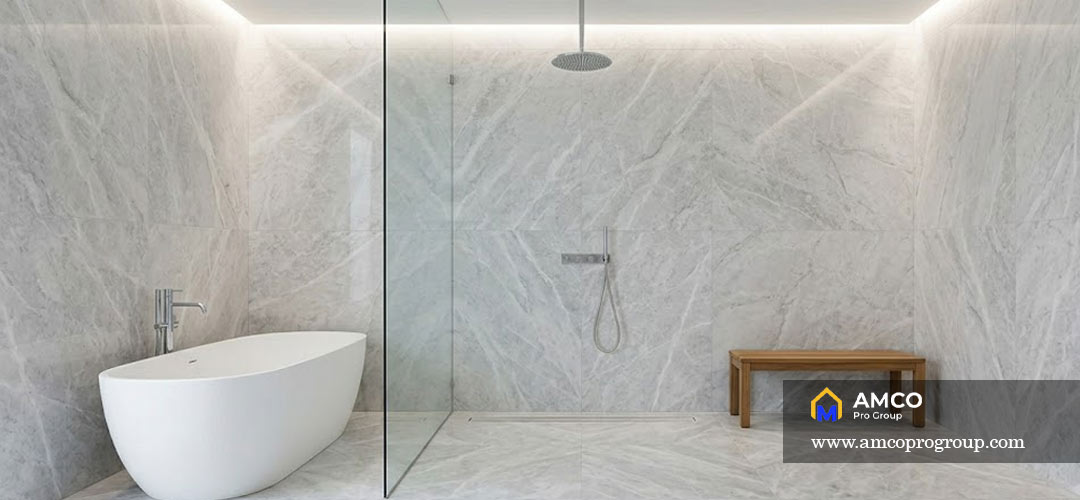
Small Bathroom Curbless Shower Layout
Curbless showers can work extremely well in small bathrooms when the layout is planned carefully. Placing the shower in a corner helps contain water while keeping the rest of the bathroom open. Many designs use half‑glass partitions instead of full enclosures so the space still feels airy.
Adding wall‑mounted fixtures and choosing light‑colored tile also helps reduce visual clutter and makes the room appear larger. When combined with other smart walk-in shower ideas, these small bathroom remodel ideas can significantly improve both space and functionality in a compact bathroom.
Spa-Inspired Luxury Curbless Shower
Many luxury bathrooms use a curbless shower to create a relaxing spa‑style bathroom similar to high‑end hotels. The open design makes the shower feel larger and more comfortable, especially when paired with premium features.
Common upgrades include rainfall showerheads, built‑in shower benches, and wall niches for storage. Some homeowners also add heated bathroom floors to increase comfort. Using materials like natural stone tile and soft ambient lighting can further enhance the spa‑like atmosphere and elevate the overall bathroom design.
Curbless Shower With Linear Drain
A curbless shower with a linear drain is one of the most common and practical design choices. Instead of using a traditional center drain, water flows toward a long, narrow drain installed along the wall or at the shower entry.
This setup simplifies the floor slope, since the surface only needs to pitch in one direction. It also works well with large‑format tile, which is popular in modern bathroom design. Beyond function, a linear shower drain creates a cleaner, more streamlined appearance that fits perfectly with a minimalist walk‑in shower.
Minimalist Scandinavian Design
A Scandinavian bathroom design pairs naturally with a curbless shower because both focus on simplicity and clean lines. The goal is to create a calm, functional space without visual clutter.
This style typically features light wood accents, white or pale gray tile, and subtle contrast from matte black fixtures. Glass panels are usually minimal or frameless to maintain openness. Combined with a seamless walk‑in shower, the result feels bright, clean, and highly practical. Of course, maintaining that “modern” look is far easier when you grasp the fundamental distinctions in Modern vs Contemporary Interior Design to avoid mixing competing styles.
Curbless Shower Ideas for Small Bathrooms
Designing a curbless shower in a small bathroom requires careful planning to manage space and moisture effectively. The goal is to maximize the feeling of openness while ensuring the shower functions properly.
Space-Saving Layout Tips
Several layout strategies work particularly well in compact spaces. Consider placing the shower in a corner to help contain water while freeing up floor space. Incorporating wall‑mounted vanities and floating toilets also contribute to an open feel by keeping the floor clear. When using glass, opt for narrow glass panels or partial enclosures rather than full walls to maintain the sense of spaciousness and improve circulation. These elements, combined with other walk‑in shower ideas, can make a small bathroom feel significantly larger and more functional.
Corner Curbless Shower Designs
A corner curbless shower is an excellent choice for maximizing space and managing water in smaller bathrooms. Corners naturally help contain water better than a fully open layout, leading to a reduced splash area and improved drainage control.
This placement also provides more wall space within the shower alcove, which is ideal for installing fixtures, niches, or even a small bench. Many small bathroom walk‑in shower designs leverage corner placement because it’s an efficient use of square footage while still offering the benefits of a barrier‑free entry.
Glass Panels vs No Door
Choosing between glass panels and a fully open, doorless design for your curbless shower depends on your priorities. Glass panels offer a practical advantage by helping to control water splash, keeping the rest of the bathroom dry, while still maintaining the visual openness of a walk‑in shower.
On the other hand, doorless showers simplify entry and offer maximum accessibility, making them ideal for aging‑in‑place bathrooms. From practical experience, small bathrooms often benefit most from a single, fixed glass panel. This strikes a balance between preventing water from escaping the shower area and keeping the space feeling open and uncluttered.
Best Tile Choices to Expand Visual Space
The tile you choose for your curbless shower can significantly impact how spacious the bathroom feels. To maximize the sense of openness, opt for large‑format tiles. These tiles have fewer grout lines, creating a cleaner, more continuous surface that mimics the seamless look of the curbless design.
Light neutral colors, such as soft grays, whites, or beiges, also help to expand visual space and make the bathroom feel brighter. Matte stone finishes offer a sophisticated, natural look that can be both elegant and slip-resistant. When using these tiles, minimizing grout lines further enhances the continuous effect, strengthening the illusion of a larger, more expansive bathroom.
Design Tips for Planning a Curbless Shower
While curbless showers appear simple, their successful installation hinges on critical construction details, particularly drainage and waterproofing. Getting the floor slope wrong is a common pitfall in DIY renovations.
For effective drainage in a curbless shower, the floor must have a consistent pitch leading water toward the drain. Standard guidelines recommend a slope of about 1/4 inch per foot towards the drain. This slight angle ensures water doesn’t pool on the shower floor.
Waterproofing Considerations
Waterproofing is arguably the most critical aspect of a curbless shower installation; failures here are the primary cause of leaks and subsequent water damage. A robust waterproof shower system involves several layers and meticulous attention to detail.
This includes applying waterproof membranes beneath the tile, ensuring all seams and corners are properly sealed, and using waterproof backer boards on walls and floors. Crucially, the integration of the shower drain must also be watertight. Skipping any of these steps is a common and costly mistake during renovations, so ensuring these elements are done correctly is paramount for the longevity of the shower.
Choosing the Right Tile and Materials
The selection of tile and materials for your curbless shower is crucial for both safety and long-term durability. For shower floors, porcelain tile is a popular and durable choice, offering a wide range of styles and finishes. Natural stone can also be used, but it requires proper sealing and maintenance.
To enhance safety, especially on the shower floor, opt for slip‑resistant textured tile. These surfaces provide better traction, reducing the risk of falls. Large‑format slabs or tiles are often favored in modern bathroom design for curbless showers as they minimize grout lines, creating a more seamless and luxurious appearance.
Lighting and Ventilation Tips
Effective moisture control is essential, particularly in the open design of a curbless shower. Good bathroom ventilation helps prevent excess humidity and moisture buildup, which can lead to mold and mildew.
Ensure your bathroom is equipped with a high‑capacity exhaust fan powerful enough to handle the moisture generated by the shower. Additionally, use moisture‑resistant lighting fixtures within the shower area to ensure safety and durability. Whenever possible, incorporating natural ventilation, such as a window, can also significantly help to keep the shower and the entire bathroom dry and fresh.


