Small Bathroom Remodel Ideas That Make a Big Difference
Published on Jun 18, 2026
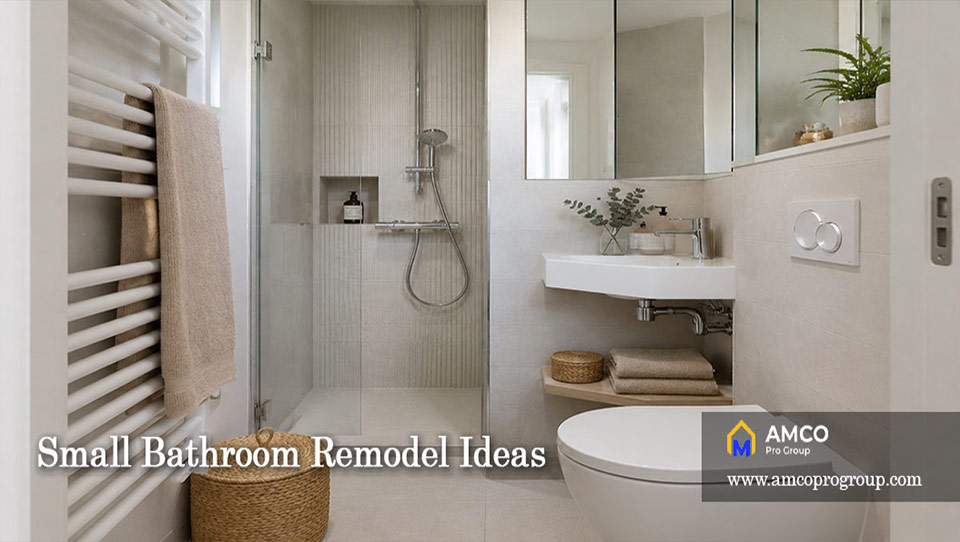
That tiny bathroom in your home doesn’t have to feel like a cramped closet. It’s a common misconception that small bathrooms are destined to be basic and uninspired. The truth is, with the right approach, these compact spaces can become some of the most cleverly designed, functional, and aesthetically pleasing rooms in your house. My experience in remodeling countless spaces, both large and small, has shown me that the key isn’t more square footage, but smarter design.
The Challenge and Opportunity of Small Bathrooms
Small bathrooms often present a unique set of challenges: limited floor space, awkward layouts, and a constant battle against clutter. However, these constraints are precisely what make them ripe for creative solutions. When you’re forced to think outside the box, you often discover innovative design strategies that can benefit any space.
Why Small Bathrooms Deserve Big Design
A bathroom, regardless of size, is a personal sanctuary. It’s where we start and end our day. Investing in its design, even on a smaller scale, significantly impacts daily comfort and overall home satisfaction. High-impact design isn’t about extravagance; it’s about thoughtful execution.
Setting Realistic Goals for Your Small Bathroom Remodel
Before diving into inspiration, consider your non-negotiables. What are the biggest pain points you want to solve? Is it storage? Is it a dated look? Is it a lack of light? Defining these will help you prioritize which ideas will make the most significant difference for your specific situation. From my experience, homeowners who set clear goals achieve better results.
How This Guide Will Help You Maximize Your Space
We’ve curated ten transformative ideas, focusing on those that deliver the biggest visual and functional improvements. Each concept is explained with practical advice and considerations to help you implement them effectively, ensuring your remodel feels less like a compromise and more like a masterclass in small-space living.
Embrace the Floating Vanity
One of the most effective ways to visually expand a small bathroom is by introducing a floating vanity. This isn’t just about a modern aesthetic; it’s a strategic design choice that significantly impacts the perception of space.
The Illusion of Space: How Wall-Mounted Vanities Work
By mounting the vanity off the floor, you expose more of the bathroom’s flooring. This simple act creates an illusion of a larger room because the eye can travel uninterrupted across the floor. It also makes cleaning much easier, a practical benefit that shouldn’t be underestimated.
Storage Solutions for Floating Vanities
Don’t let the floating design fool you into thinking you’ll sacrifice storage. Modern floating vanities come in various drawer configurations, including deep, pull-out drawers that maximize interior space. Consider drawer organizers to keep everything tidy. If you’re looking for more specific tips, our guide on small bathroom storage hacks can offer deeper insights.
Style Options and Material Choices
Floating vanities are available in a vast array of styles, from minimalist modern designs to more traditional looks. Materials range from sleek laminates and engineered woods to warm natural woods. Choose a finish that complements your overall bathroom color palette for a cohesive feel.
Maximize Vertical Space with Tall Storage
In a small bathroom, every inch counts, especially when it comes to storage. Looking upwards is crucial for reclaiming valuable floor space and keeping countertops clear.
Beyond the Medicine Cabinet: Built-in Niches and Shelving
Recessed wall niches or custom-built shelving units can provide substantial storage without encroaching on the room’s footprint. These elements can be integrated seamlessly during a remodel, appearing as if they’ve always been there. They are perfect for towels, toiletries, or decorative items.
Slim Tower Units and Over-the-Toilet Storage
If built-ins aren’t feasible, consider slim, tall storage towers that occupy a narrow footprint. Similarly, over-the-toilet storage units can be surprisingly effective. Opt for designs that are visually light, perhaps with glass doors or open shelving, to avoid making the space feel too heavy.
Integrating Storage Seamlessly into the Design
The key to successful vertical storage in a small bathroom is integration. Think about how these elements fit into the overall design. Matching the material or color of your storage to your vanity or wall color can help it blend in, rather than stand out as an afterthought.
Lighten Up with Strategic Lighting
Effective lighting is perhaps the single most important element in making a small bathroom feel larger and more inviting. Poor lighting can make even the most beautifully designed space feel dim and claustrophobic.
Layered Lighting: Ambient, Task, and Accent
A well-lit bathroom uses multiple layers of light. Ambient lighting provides overall illumination (e.g., ceiling fixtures). Task lighting is crucial around the vanity mirror for grooming (sconces or integrated mirror lighting). Accent lighting can highlight artwork or architectural features. Exploring modern bathroom lighting design can provide a wealth of ideas for achieving this.
The Power of Sconces and Recessed Lighting
Sconces placed on either side of the vanity mirror offer flattering, balanced lighting. Recessed ceiling lights are excellent for providing clean, unobtrusive ambient light. Combining these can dramatically improve the functional and visual appeal of your bathroom.
Natural Light Maximization Techniques
If your bathroom has a window, do everything you can to maximize natural light. Avoid heavy drapery; opt for sheer blinds, frosted glass, or simply keep the window clear. The more natural light you can let in, the more expansive the space will feel.
Large-Format Tiles for a Seamless Look
It might seem counterintuitive, but using larger tiles in a small bathroom can actually make the space feel more expansive and less cluttered.
Fewer Grout Lines, Bigger Impact
Large tiles mean fewer grout lines. A busy pattern of small tiles can chop up the visual space, making it feel fragmented. Conversely, large tiles create a cleaner, more continuous surface, allowing the eye to move more freely across the walls and floor.
Floor to Ceiling: Extending Tile for Added Space
Consider extending your chosen tile from the floor up the walls, or even across the ceiling in a shower enclosure. This seamless application blurs the boundaries of the room, making it appear larger and more cohesive. This is one of the subtle yet powerful tricks designers use.
Color and Finish Considerations
Opt for lighter colors and finishes for your large tiles to enhance the sense of space and light. Matte finishes can reduce glare, while subtle textures can add interest without overwhelming the senses. If you’re unsure, our guide on choosing the right bathroom tiles offers detailed advice.
Pocket Doors or Barn Doors for Space Saving
Traditional swinging doors take up valuable floor space, which is a premium in small bathrooms. Swapping out a standard door for a space-saving alternative is a highly impactful remodel decision.
Reclaiming Floor Space: The Pocket Door Advantage
A pocket door slides directly into the wall cavity, completely disappearing when open. This is the ultimate space-saver, allowing you to place fixtures like vanities or toilets closer to the doorway without obstruction. Installation requires opening up the wall, but the payoff in usable space is immense.
Stylish Alternatives: Barn Door Benefits
If a pocket door isn’t feasible due to wall construction, a barn door offers a similar space-saving benefit by sliding along an exterior track. Barn doors add a distinct stylistic element, ranging from rustic charm to sleek modern designs, depending on the door material and hardware. For those considering DIY, a floating vanity installation guide can be a good starting point for understanding wall modifications.
Installation Considerations and Style Pairings
Both pocket and barn doors have specific installation requirements. Consult with a contractor or do thorough research for DIY projects. Consider the overall style of your bathroom when choosing hardware and the door itself to ensure a harmonious look.
Mirrored Surfaces to Expand the Room
Mirrors are bathroom staples, but in small bathrooms, they play a critical role in amplifying light and creating the illusion of depth.
Beyond the Basic Mirror: Oversized and Statement Mirrors
Instead of a standard medicine cabinet mirror, opt for an oversized mirror that extends well beyond the vanity. This significantly reflects light and the room itself, making the space feel much larger. A framed statement mirror can also serve as a beautiful focal point.
Mirrored Backsplashes and Cabinetry
For an extra layer of reflection, consider a mirrored backsplash behind the vanity or even mirrored cabinet fronts. These elements bounce light around the room, enhancing brightness and the perception of space.
Reflecting Light and Space Effectively
Position mirrors strategically to reflect light sources, whether natural or artificial. Placing a mirror directly opposite a window or a key light fixture will maximize its effect. The real-world challenge is ensuring the reflection is pleasing and not overwhelming.
Freestanding Tubs or Space-Saving Shower Enclosures
The bathtub and shower area are often the largest elements in a bathroom. Optimizing this zone can free up significant visual and physical space.
Compact Freestanding Tub Options
Freestanding tubs can surprisingly work in small bathrooms. Opt for compact models with sleeker profiles. They often require less installation complexity than built-in tubs and can lend an air of luxury while still being functional.
Curbless Showers and Glass Enclosures
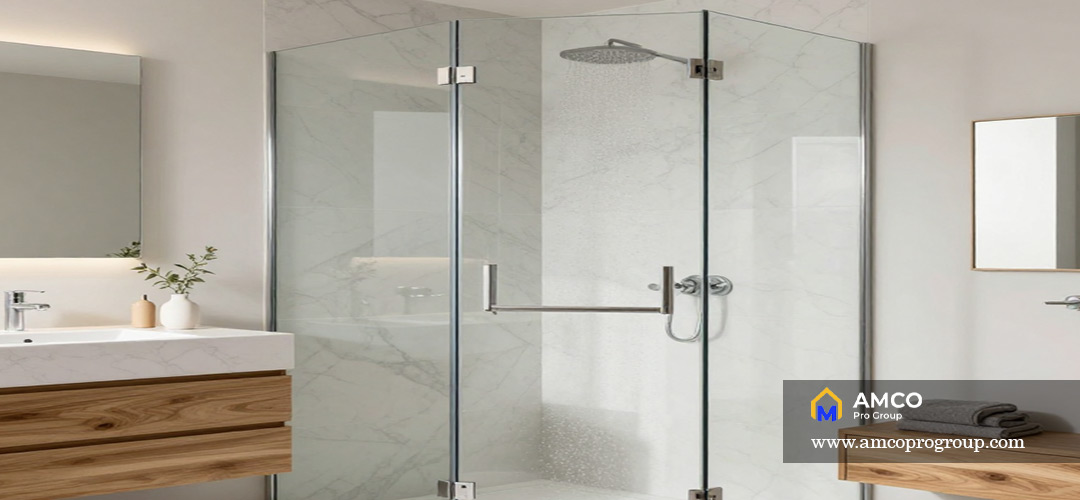
A curbless shower, where the floor transitions directly from the bathroom to the shower area, creates a seamless visual flow. Pair this with a frameless glass enclosure. The clear glass allows the eye to travel unobstructed, making the entire bathroom feel more open and airy.
Strategic Placement for Flow
Consider how the shower or tub placement impacts the overall layout. Sometimes, shifting the enclosure slightly can open up pathways and improve circulation within the room. This is where understanding small bathroom layout ideas becomes crucial.
Thoughtful Color Palettes
The colors you choose for your small bathroom have a profound impact on its perceived size and atmosphere.
Light & Bright: The Impact of White and Neutrals
Light colors, particularly whites, creams, and soft grays, are classic choices for small spaces. They reflect light exceptionally well, making walls recede and the room feel more open and airy. A cohesive palette using variations of a single light color can be very effective.
Strategic Use of Color for Depth and Interest
While light colors dominate, don’t shy away from subtle depth. Using a slightly darker shade on one accent wall (perhaps behind the vanity) can create a sense of depth. Alternatively, introduce color through accessories and fixtures rather than large surfaces. Understanding color psychology in interior design can inform these decisions.
Creating a Cohesive Look with Accent Colors
Select one or two accent colors and use them sparingly in towels, bath mats, artwork, or hardware. This adds personality without overwhelming the space. A consistent accent color ties the room together, creating a polished finish.
Wall-Mounted Toilets and Sinks
Similar to floating vanities, wall-mounted fixtures are game-changers for small bathrooms, offering both aesthetic and practical advantages.
Modern Aesthetics and Easy Cleaning
Wall-mounted toilets, which have the tank concealed within the wall, offer a sleek, minimalist look. They also make cleaning the floor around the toilet incredibly simple, as there are no bases to navigate.
Space-Saving Designs for Small Footprints
Wall-mounted sinks come in various compact designs, including corner units and slim vanities. By lifting these fixtures off the ground, you once again create that visual continuity on the floor, enhancing the sense of space.
Installation and Maintenance Tips
While wall-mounted fixtures offer many benefits, their installation can be more complex and costly than standard floor-mounted units, as they require specialized in-wall carriers. However, for many, the long-term aesthetic and cleaning advantages are well worth the investment.
Clever Clutter Containment
The ultimate success of any small bathroom remodel hinges on maintaining order. Without effective clutter containment, even the most beautiful redesign can quickly feel chaotic.
Drawer Organizers and Cabinet Inserts
Invest in good quality drawer organizers and cabinet inserts for your vanity. These compartmentalize the space, making it easy to store and find items like makeup, toiletries, and cleaning supplies without rummaging.
Shower Caddies and Wall-Mounted Organizers
Utilize vertical space within the shower area with stylish shower caddies or wall-mounted shelving. This keeps shampoos, soaps, and other essentials off the shower floor and prevents visual clutter.
The Art of Minimalist Display
Finally, practice intentionality with what you display. Choose a few carefully selected decorative items rather than filling every available surface. A small, curated vignette can add personality without contributing to a sense of disarray. This is a core principle when thinking about organizing a small bathroom.
Conclusion
Transforming a small bathroom doesn’t require a massive budget or a complete gut renovation, although those options are available. It’s about smart choices, strategic design, and a focus on how each element contributes to the overall feel of the space.