White Kitchens vs Dark Kitchens: Which One Is Better?
Published on Aug 2, 2026
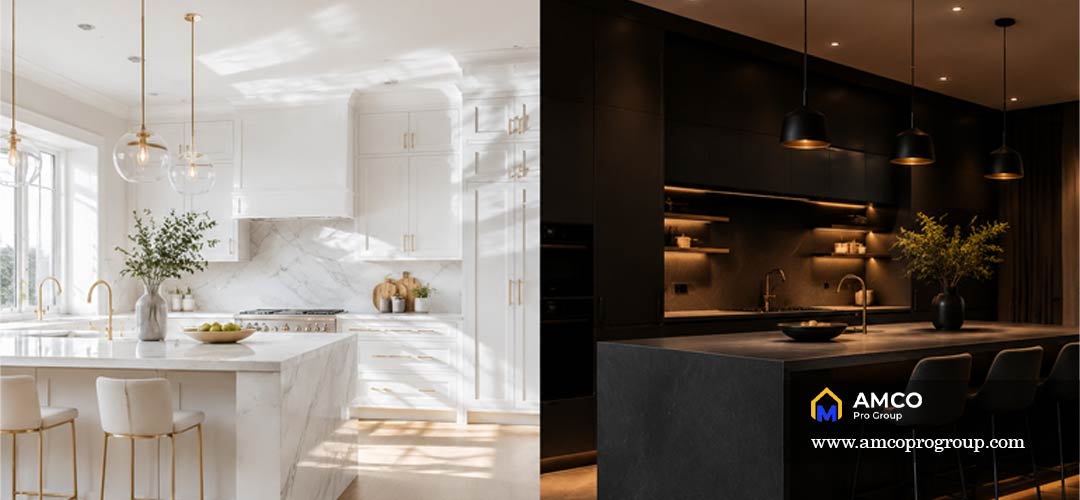
Choosing between a white kitchen and a dark kitchen depends on your space, lifestyle, maintenance preferences, and design goals. White kitchens make rooms feel brighter and more open, while dark kitchens create a bold, luxurious look with added depth. Understanding the strengths and drawbacks of each style will help you invest in a kitchen that stays functional, attractive, and valuable for years.
Whether you're planning a complete kitchen remodel or simply replacing cabinets, this guide compares both styles from every important angle, including appearance, maintenance, resale value, lighting, and practicality.
White Kitchens vs Dark Kitchens at a Glance
If you want a quick answer, here's how both styles compare.White kitchens and dark kitchens offer different advantages depending on your space, lighting, and lifestyle. White kitchens provide excellent brightness and are especially suitable for small spaces because they reflect more light and create an open feeling. Dark kitchens offer a more dramatic and luxurious appearance but usually require stronger lighting to avoid making the room feel smaller.
Bottom line: White kitchens remain the safest long-term investment, while dark kitchens are ideal if you want a dramatic, modern, high-end appearance.
Why White Kitchens Are Still So Popular
White kitchens have remained one of the most requested kitchen designs for decades because they combine functionality with timeless style. They adapt to changing trends, work with almost every interior style, and help create a clean, welcoming atmosphere.
Unlike trend-driven color schemes, white cabinets rarely feel outdated. Homeowners can easily refresh the space by changing cabinet hardware, backsplashes, countertops, or lighting instead of replacing the entire kitchen.
Another reason white kitchens continue to dominate remodeling projects is their versatility. They complement natural wood, stainless steel appliances, marble countertops, quartz surfaces, black fixtures, and virtually every flooring material.
White Kitchens Make Small Spaces Feel Larger
If your kitchen has limited square footage, white cabinets are usually the better choice.
Light colors reflect natural and artificial light instead of absorbing it. This reflection reduces visual boundaries and creates the illusion of a larger room. Interior designers frequently recommend white cabinetry for apartments, condos, galley kitchens, and compact homes because it prevents the space from feeling enclosed.
Combined with glossy subway tile, large windows, and light-colored countertops, white kitchens maximize brightness without requiring structural renovations.
White Kitchens Increase Natural Light
Natural light dramatically affects how comfortable a kitchen feels.
White cabinet doors, painted walls, and reflective quartz countertops bounce sunlight throughout the room, reducing shadows and making cooking areas easier to work in during the day.
This advantage becomes especially important in north-facing kitchens or homes with fewer windows, where darker finishes can make the room appear gloomy.
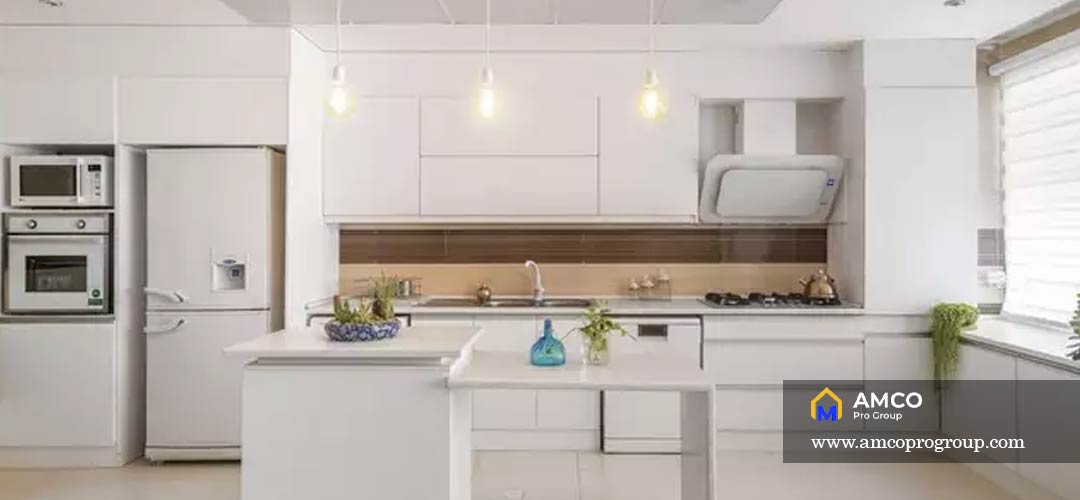
White Kitchens Have Timeless Appeal
Kitchen trends change every few years, but white kitchens consistently remain relevant.
Design styles such as:
● Scandinavian
● Modern Farmhouse
● Coastal
● Transitional
● Contemporary
● Minimalist
● Traditional
all frequently incorporate white cabinetry because it provides a neutral foundation that can evolve over time.
Instead of remodeling the entire kitchen when trends shift, homeowners often update cabinet handles, faucets, pendant lighting, or bar stools to achieve a fresh appearance.
Why Dark Kitchens Have Become a Luxury Trend
Dark kitchens have gained popularity because they create depth, sophistication, and visual contrast. Rich colors like matte black, charcoal, deep navy, forest green, and dark walnut deliver a premium aesthetic often seen in luxury homes and architectural magazines.
When paired with premium materials such as natural stone, brushed brass, white marble, or warm oak, dark cabinetry creates a striking focal point that immediately attracts attention.
Rather than making the kitchen disappear into the background, dark colors transform it into one of the home's strongest design features.
Dark Kitchens Create a Sophisticated Atmosphere
Dark cabinetry naturally adds visual weight and richness.
Instead of emphasizing brightness, dark kitchens emphasize texture, contrast, and architectural detail. Matte finishes, slab cabinet doors, integrated appliances, and concealed handles all contribute to a sleek, contemporary appearance.
This design works particularly well in open-concept homes where the kitchen serves as a centerpiece rather than a separate workspace.
Dark Cabinets Hide Certain Stains Better
One practical advantage of darker cabinet finishes is that many common stains blend in more effectively.
Minor food splashes, coffee marks, fingerprints on textured surfaces, and everyday wear often remain less noticeable than on bright white painted cabinets.
However, this advantage comes with an important trade-off.
Dark surfaces tend to reveal:
● Dust
● Flour
● Pet hair
● Water spots
● Soap residue
● Fingerprints on glossy finishes
As a result, homeowners often wipe dark cabinets more frequently to maintain their polished appearance.
Dark Kitchens Pair Beautifully with Premium Materials
One reason luxury designers frequently choose dark kitchens is their ability to create contrast.
Dark cabinetry works exceptionally well alongside:
● White marble countertops
● Quartz surfaces with dramatic veining
● Brass hardware
● Natural oak shelving
● Walnut flooring
● Black stainless steel appliances
● Statement pendant lighting
The combination produces a layered, high-end look that feels intentional rather than overly decorative.
White Kitchen vs Dark Kitchen: Side-by-Side Comparison
Choosing between these two styles becomes easier when comparing the factors that affect everyday living.
- Brightness: White kitchens are brighter because they reflect more light, while dark kitchens need better lighting.
- Maintenance: White kitchens are easier to maintain, while dark kitchens require more frequent cleaning to remove dust and fingerprints.
- Small Rooms: White kitchens make small spaces feel larger, while dark kitchens work better in spacious areas.
- Luxury Feel: Dark kitchens create a stronger luxury appearance, while white kitchens offer a clean and elegant style.
- Modern Look: Both styles can create a modern kitchen design with the right materials and finishes.
- Timelessness: White kitchens have a more timeless appeal, while dark kitchens offer a stylish but trend-focused look.
- Design Flexibility: White cabinets match more colors and materials, while dark cabinets need more careful coordination.
- Natural Light: White kitchens maximize natural light, while dark kitchens absorb more light.
- Warmth: Dark kitchens feel warmer and richer, while white kitchens feel fresh and open.
Neither option is objectively better. The right choice depends on your home's lighting, room size, maintenance routine, and personal style.
Which Kitchen Is Easier to Keep Clean?
If easy maintenance is your priority, neither white nor dark kitchens are completely maintenance-free. The difference lies in what each color tends to reveal.
White kitchens make food splashes, grease spots, tomato sauce, coffee stains, and cooking residue easier to notice. While this may sound like a disadvantage, it often encourages homeowners to clean spills immediately before they become permanent stains.
Dark kitchens tell a different story. They usually hide food stains better but highlight everyday dust, fingerprints, water spots, flour, and pet hair. Matte finishes reduce fingerprints more effectively than glossy cabinets, but they still require regular wiping to maintain a polished appearance.
For busy families who cook daily, choosing durable cabinet finishes and easy-to-clean materials often matters more than cabinet color alone.
Cleaning Comparison
Cleaning Factor
White Kitchen
Dark Kitchen
Food Stains
Easy to See
Less Visible
Dust
Less Noticeable
More Noticeable
Fingerprints
Moderate
High on Glossy Finishes
Water Spots
Moderate
Easy to Notice
Grease Marks
Easy to Spot
Moderate
Daily Maintenance
Moderate
Moderate to High
In practice, both kitchen styles require routine cleaning. The difference is simply what becomes visible first.
Which Kitchen Color Makes Your Home Look More Expensive?
Both white and dark kitchens can look luxurious when designed correctly. The quality of the materials, layout, lighting, and finishes has a much greater impact than cabinet color alone.
White kitchens create a refined appearance by emphasizing brightness, symmetry, and premium surfaces such as quartz countertops, marble backsplashes, and custom cabinetry. This clean aesthetic often gives the impression of a professionally designed space.
Dark kitchens achieve a luxury feel through contrast and depth. Matte black cabinets, walnut accents, brass hardware, and integrated appliances are commonly found in upscale contemporary homes because they create a bold architectural statement.
If you're aiming for a timeless luxury look, white kitchens generally provide broader appeal. If your goal is a dramatic, designer-inspired interior, dark kitchens often deliver a stronger visual impact.
Which Kitchen Has Better Resale Value?
For most homeowners, resale value is an important consideration before investing in a kitchen remodel.
White kitchens typically appeal to a wider range of buyers because they feel bright, neutral, and move-in ready. Potential buyers can easily imagine adding their own furniture, décor, and personal style without replacing the cabinets.
Dark kitchens attract buyers looking for a modern, premium aesthetic, but they may not suit everyone's taste. In homes with limited natural light, dark cabinetry can also make the kitchen feel smaller, which may reduce buyer appeal.
Real estate professionals frequently recommend neutral kitchen designs because they maximize marketability and help homes attract more potential buyers.
If resale value is one of your top priorities, white kitchens generally remain the safer long-term investment.
What Works Best for Small Kitchens?
White kitchens almost always perform better in compact spaces.
Because white reflects both natural and artificial light, it visually expands walls, ceilings, and cabinetry. Even a small kitchen can feel brighter and more open without changing the floor plan.
To maximize this effect, many designers combine white cabinets with:
● Light quartz countertops
● Glass cabinet doors
● Under-cabinet LED lighting
● Large-format backsplashes
● Minimal hardware
● Reflective finishes
Dark kitchens can still work in smaller rooms, but they require careful planning. Adequate lighting, lighter countertops, and thoughtful color balance help prevent the space from feeling enclosed.
What Works Best for Large Kitchens?
Large kitchens provide much greater design flexibility, making both white and dark cabinetry excellent choices.
White kitchens maintain an airy, open feeling even in expansive layouts. They work particularly well in homes with vaulted ceilings, oversized windows, and open-concept floor plans.
Dark kitchens often reach their full potential in larger spaces because the room has enough natural light and visual balance to support deeper colors. Instead of making the area feel smaller, dark cabinetry creates warmth, definition, and architectural character.
In spacious kitchens, designers frequently introduce texture through wood accents, stone surfaces, open shelving, and layered lighting to create visual interest regardless of cabinet color.
Can You Mix White and Dark Cabinets?
Absolutely. A two-tone kitchen has become one of the most popular kitchen design trends because it combines the strengths of both styles.
A common approach is to install white upper cabinets and darker base cabinets. This keeps the room feeling bright while adding depth and contrast at eye level.
Another popular combination includes a dark kitchen island paired with white perimeter cabinets. The island becomes a focal point without overwhelming the room.
Successful two-tone kitchens usually maintain consistency by repeating the same countertop material, hardware finish, flooring, or backsplash throughout the space.
This balanced approach offers a timeless design while avoiding the extremes of an all-white or all-dark kitchen.
READ MORE : Neutral Interiors vs Bold Interiors
How to Choose the Right Kitchen Color
The best kitchen color depends on how you use the space rather than following the latest design trend.
Ask yourself these questions before making a decision:
● Does your kitchen receive plenty of natural light?
● Is your kitchen small or spacious?
● How often do you cook?
● How much time do you want to spend cleaning?
● Are you remodeling for yourself or planning to sell your home?
● Do you prefer timeless interiors or bold contemporary designs?
If your answers focus on brightness, flexibility, and resale value, white cabinets are usually the better option.
If you value dramatic style, luxury finishes, and modern aesthetics, dark cabinets may better match your vision.
Ultimately, the most successful kitchen is one that complements your home's architecture, lighting conditions, and daily lifestyle.
Conclusion
When comparing white kitchens vs dark kitchens, there is no universal winner. The better choice depends on your home's lighting, kitchen size, maintenance preferences, and long-term goals.
White kitchens remain the best option for homeowners who want a bright, timeless, and highly marketable design. They maximize natural light, make smaller spaces feel larger, and appeal to the broadest range of future buyers.
Dark kitchens, on the other hand, deliver bold character, contemporary elegance, and a luxurious atmosphere. When paired with quality materials and proper lighting, they create a sophisticated space that stands out.
If you're still undecided, a two-tone kitchen can offer the best of both worlds by combining the openness of white cabinetry with the depth and richness of darker finishes. By focusing on quality materials, thoughtful lighting, and a layout that suits your lifestyle, you can create a kitchen that remains beautiful and functional for many years.