50+ Modern Bathroom Lighting Ideas: Layered Design for a Spa Look
Published on Jun 14, 2026
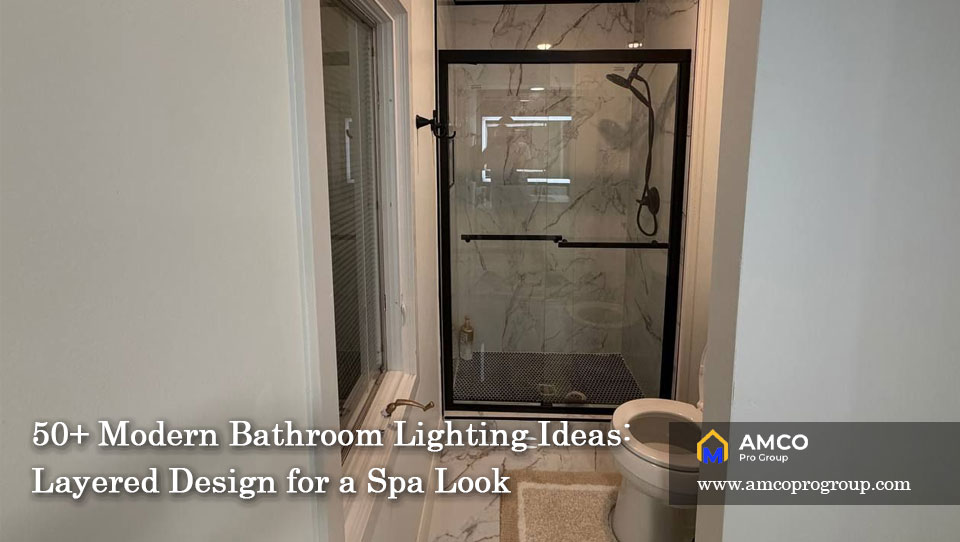
Best Lighting Ideas for a Modern Bathroom
Most bathroom renovations stall at the tile choice and vanity selection. It’s a common oversight. You spend thousands on materials, only to walk into a finished space that feels like a hospital exam room or, worse, a cave. Lighting is the single most effective tool to bridge the gap between a construction project and a true sanctuary. If you’re looking to master your modern bathroom design ideas, you have to stop treating illumination as an afterthought. Many homeowners exploring modern bathroom tile ideas or planning layout upgrades often underestimate how much lighting determines the final result.
Why Bathroom Lighting Matters in Modern Design
Bathroom lighting plays a much bigger role than most people expect. In modern design, it is not just about making the space brighter. It affects how the bathroom looks, how comfortable it feels, and how well it functions during everyday routines.
Good lighting helps with practical tasks like shaving, makeup, and skincare, while also creating a clean and relaxing atmosphere. It can make materials look more refined, reduce harsh shadows, and give the room a more polished and spacious feel.
In many cases, even a beautifully designed bathroom can feel incomplete if the lighting is poorly planned. This is especially true in luxury focused remodels where details matter—such as the upgrades discussed in luxury bathroom. That is why modern bathrooms need lighting that balances both style and function, rather than relying on a single overhead fixture.
How lighting affects mood, function, and appearance
Bathroom lighting has a direct impact on how the space feels and performs. Poor lighting can create harsh shadows, make the room feel cold or dull, and even affect how you see yourself in the mirror. In contrast, well-planned lighting improves visibility for daily tasks while also creating a softer, more relaxing atmosphere. In a modern bathroom, the right balance of brightness and warmth helps the space feel both functional and inviting.
The difference between decorative and task lighting
A successful bathroom design balances two distinct types of illumination: task lighting and decorative lighting. Task lighting is the functional workhorse of the room, providing focused brightness exactly where you need it for grooming, shaving, or makeup. Decorative lighting, by contrast, acts as the room’s jewelry—think of a stylish pendant or a sleek wall sconce that sets the design tone. In a modern bathroom, you don’t choose between them; you combine both to build a space that is highly practical yet beautifully styled.
Why modern bathrooms need layered lighting
Modern bathrooms need layered lighting because one light source alone cannot meet every need. A single ceiling fixture often creates harsh shadows and leaves parts of the room feeling flat or dim. By combining lighting at different levels—such as vanity, ceiling, and accent lighting—you can improve visibility, reduce dark corners, and create a space that feels more balanced, spacious, and refined.
Core Types of Bathroom Lighting to Include
A functional bathroom doesn’t rely on one “main light.” It uses a few key lighting types, each with a clear job. When you match the fixture to the routine—grooming at the mirror, moving safely around the room, relaxing at night—the bathroom instantly feels more professional and thoughtfully designed.
In practice, you’re aiming for coverage in three zones: task, ambient, and accent. This keeps the space bright where it needs to be, softer where it should be, and visually interesting without feeling cluttered.
Please think of bathroom lighting as a system, not a single fixture. If you plan the types first, choosing modern fixtures later becomes much easier—and the final result looks intentional, not improvised.
Vanity lighting for grooming and daily routines
The vanity is the most functional zone in any bathroom. To get it right, focus on eye-level illumination. By placing fixtures on either side of the mirror rather than just above it, you eliminate the harsh downward shadows that make shaving or applying makeup difficult. For those exploring vanity mirror ideas, prioritize wall-mounted sconces with frosted glass; they provide a soft, diffused glow directly to your face, ensuring you always see yourself in the best light.
Ceiling lighting for overall illumination
Ceiling lighting provides the essential ambient foundation for the space. To maintain a modern aesthetic, swap outdated flush-mounts for discreet recessed lights or sleek architectural tracks. This ensures an even wash of illumination across the room, though it must be layered with task lighting to prevent flat, shadow-heavy zones.
Accent lighting for ambiance and visual depth
Accent lighting is where you infuse personality. Consider LED strips hidden inside shelving niches, under floating vanities, or around the base of a freestanding tub. This isn’t about visibility; it’s about drama. It draws the eye to specific design features and creates a “glow” that makes the bathroom feel like a luxury hotel.
Shower, tub, and niche lighting options
Water and electricity are a dangerous combination, so moisture-rated (UL wet-rated) fixtures are non-negotiable. Waterproof recessed cans over the shower or tub add a layer of safety and clean lines. For a truly high-end feel, illuminate your shower niche with a waterproof LED strip—it highlights your tile work and adds a soft, functional light for evening showers.
Bathroom Lighting Ideas by Bathroom Size and Layout
Bathroom lighting should be planned around the size and function of the space. The same principle applies when designing workspaces at home, especially when planning lighting for productivity-focused rooms like those featured in Modern Home Office Design Ideas. A layout that works well in a large master bathroom may feel too heavy in a small bathroom, while a simple setup in a compact room may not provide enough coverage in a shared layout. The goal is to match the lighting strategy to the room’s proportions, daily use, and key focal points.
In smaller bathrooms, lighting should help the room feel brighter and more open. In double vanity layouts, the focus should be on balance and equal visibility at both sinks. In powder rooms, lighting can be more decorative and atmospheric. In master bathrooms, layered lighting is essential for comfort, flexibility, and a more relaxing feel.
Small bathroom lighting ideas that make it feel bigger
In a compact space, light is your best tool for spatial manipulation. Use wall-mounted lighting to keep surfaces clear and bounce light off mirrors to “double” the size of the room. Don’t settle for a dim bulb; brighter, cooler light can help a tiny bathroom feel open and airy rather than claustrophobic. If you need more inspiration on managing space, check out our guide on small bathroom ideas.
Double vanity lighting ideas for shared bathrooms
A double vanity is a major asset, but it creates a lighting challenge: you need to ensure the light is consistent across both sinks. Avoid installing a single, long fixture above the middle. Instead, treat each sink as its own zone. Use a sconce on the far left, the far right, and one in the middle between the mirrors. This keeps the light balanced and avoids the “dark middle” effect.
Powder room lighting ideas with bold design appeal
The powder room is the one place where you can be fearless. Because you aren’t doing long makeup sessions or shaving here, you can prioritize ambiance over pure task efficiency. Think dimmable, dramatic sconces, or even a chandelier. It’s an opportunity to lean into bathroom remodel checklists that favor style and personality over rigid function.
Master bathroom lighting ideas for spa-like spaces
Your primary bath should feel like a retreat. This requires extreme control. Install dimmers on every circuit. You want bright light for morning energy, but you need low, warm light for a midnight soak. Layer in candle-like lighting—dimmable wall lights and niche accents—to ensure the space feels restorative.
How to Choose the Right Brightness, Color Temperature, and Placement
Good bathroom lighting is not just about choosing attractive fixtures. It depends on getting three technical elements right: brightness, color temperature, and placement. Even the most beautiful materials can look flat, yellow, or overly harsh when the lighting is poorly planned. A modern bathroom should feel bright enough for daily routines, accurate enough for grooming, and soft enough to remain comfortable.
This is where the technical side of lighting matters. Brightness determines how clearly you can see, color temperature affects how finishes and skin tones appear, and fixture placement controls shadows, glare, and overall balance. When these three elements work together, the bathroom feels polished, functional, and visually clean. The following guidelines help you choose the right setup without over lighting the room or creating uncomfortable contrast.
Best bulb brightness for bathrooms
We measure brightness in lumens, not watts. For a bathroom, aim for a total of 2,000 to 4,000 lumens across the room. You don’t need a surgical theater, but you do need enough light to see clearly. Remember: if you have multiple zones (vanity, ceiling, shower), those lumens should be distributed, not concentrated in one spot.
Warm vs. cool lighting for a modern bathroom
Color temperature is measured in Kelvin (K) and plays a major role in how the bathroom feels and functions. Warmer light, typically in the 2700K to 3000K range, creates a softer and more relaxing atmosphere, making it a strong choice for bathrooms designed to feel calm and spa-like. However, it can sometimes cast a slightly yellow tone, which may reduce accuracy for tasks like makeup application or shaving. For a more balanced and practical result, many modern bathrooms perform best with light in the 3500K to 4000K range. This temperature feels cleaner, closer to natural daylight, and better suited to everyday grooming without making the space feel overly cold.
Ideal fixture placement around mirrors and vanities
Mount your vanity lights at eye level, roughly 60 to 65 inches from the floor. If you install them too high, you cast shadows down your face. If they are too low, you’ll get glare. Consistency is key here; aim for the lights to be at the same level as your eyes to create even, shadow-free illumination.
How to avoid shadows and glare
The biggest rookie mistake is placing a light source behind you. If your ceiling light is directly over your head, you create “raccoon eyes.” Always ensure your primary vanity light source is in front of you, bouncing off the mirror or illuminating your face directly. For more on fixtures, look at our recessed lighting guide to understand how spacing impacts shadow play.
Common Bathroom Lighting Mistakes to Avoid
Even the right fixtures can produce poor results if the overall lighting plan is flawed. The most common mistakes include relying only on a single overhead light, prioritizing style over function, ignoring moisture and safety ratings, and mixing inconsistent color temperatures throughout the room. These issues can make the bathroom feel flat, impractical, and visually unbalanced. A well-designed bathroom should combine layered lighting, proper fixture performance, safe installation, and consistent light color to achieve a result that is both functional and refined.
Relying on a single overhead fixture
This creates a flat, clinical environment that makes everyone look tired. It’s the fastest way to kill the design potential of a modern renovation. Always add at least one other layer, whether it’s mirror lighting or floor-level accents.
Choosing style over function
That brass pendant is beautiful, but if it doesn’t give you enough light to see what you’re doing at the sink, it’s a failure. Always prioritize the task—if the fixture is too dim, add task-specific lighting nearby to compensate.
Ignoring moisture ratings and safety requirements
Bathrooms are wet environments. Never use standard fixtures in a shower or near a soaking tub. Always look for “UL damp rated” or “wet rated” on the box. It’s a small detail that prevents major electrical hazards down the road.
Using the wrong light color for daily tasks
Mixing color temperatures is a recipe for visual clutter. Don’t put a cool-white LED in the shower and a warm-yellow bulb over the vanity. Keep your color temperatures consistent—ideally, stick to 3000K or 3500K throughout the room to keep the design cohesive.
How to Create a Cohesive Bathroom Lighting Plan
A plan is the difference between a project that comes together and one that feels disjointed. Before you buy anything, map out your needs.
Matching fixtures to modern bathroom styles
If your bathroom is industrial, look for exposed bulbs and matte black metal. If it’s minimalist, go for recessed, hidden sources and glass. Your lighting should feel like it was chosen for the room, not purchased in a panic at the last minute. Maintaining stylistic consistency across the home—similar to the ideas explored in modern family home design helps create a cohesive interior experience. This consistency is essential when choosing light fixtures for your home.
Mixing metal finishes and materials correctly
You don’t have to match your lighting to your faucet perfectly, but they should “talk” to each other. If you have chrome faucets, consider satin nickel or brushed silver lights. If you want to mix metals, keep it to two maximum—perhaps matte black fixtures with a gold accent—to keep the look intentional rather than haphazard.
Building a layered lighting plan step by step
Start with your tasks: where do you need the most light? (Usually the vanity). Then, add your ambient layer (ceiling). Finally, layer in the accents (tub/niche). By thinking in these three tiers, you ensure every corner of the room is accounted for.
When to use dimmers for flexibility
Dimmers are the cheapest luxury you can add to a bathroom. They allow you to transform the space from a functional workspace in the morning to a relaxing retreat in the evening. Don’t skip them—install a dimmer switch for every single zone in the bathroom.
Conclusion
Modern bathroom lighting isn’t about chasing trendy fixtures—it’s about building a layered system that makes the space look better and work better. Start with strong vanity lighting at eye level, add clean ambient ceiling light for overall coverage, then finish with accents that add depth and a luxury glow. Keep brightness in the right range, stick to a consistent color temperature (often 3000K–3500K for modern homes), and place fixtures to avoid shadows and glare. Most importantly, plan the lighting the same way you plan tile or plumbing: by zone, by purpose, and with moisture safety in mind. Do that, and your bathroom won’t just look modern—it will feel effortless to use, day and night.


