Modern Bathroom Tile Ideas: Walls, Floors & Small Spaces
Published on Jun 14, 2026
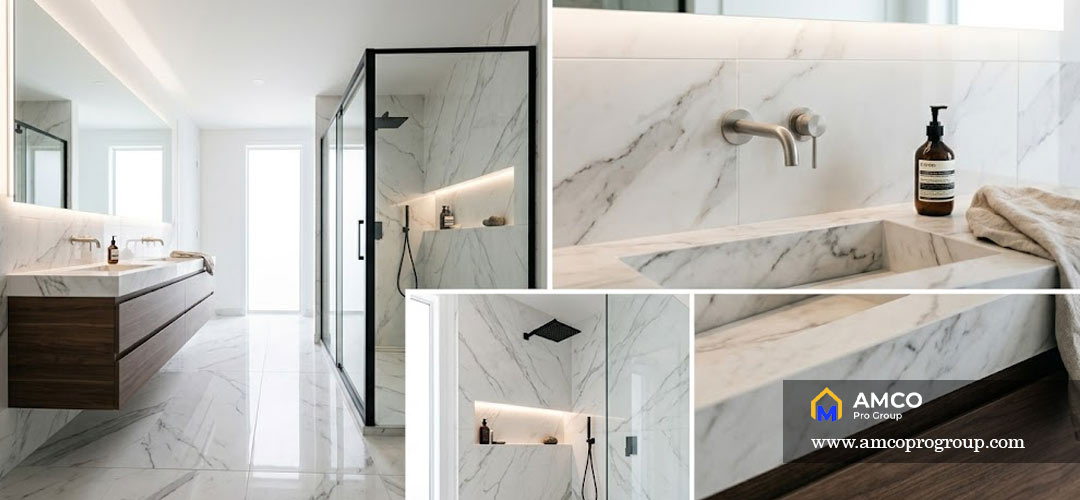
Best Tile Ideas for Modern Bathrooms (Walls, Floors, Showers + Small Space Tips)
Choosing modern bathroom tile isn’t just about picking a pretty pattern. Tile size, finish, layout, and grout color decide whether your bathroom looks clean and modern—or visually busy and dated.
This guide covers modern tile ideas for walls, floors, and showers, plus smart small-bathroom moves, so you can build a cohesive look that works in real wet zones and still feels current years from now. Modern doesn’t mean “cold” or “white everywhere.” It means the room reads as intentional: clean lines, controlled contrast, and honest materials. Establishing this foundation is much easier when you understand the core differences between Modern vs Contemporary Interior Design.
What Defines Modern Bathroom Tile Design?
Modern doesn’t mean “cold” or “white everywhere.” It means the room reads as intentional: clean lines, controlled contrast, and honest materials. The fastest way to lose that modern clarity is to stack focal points—busy pattern, high-contrast grout, and multiple tile shapes all competing at once.
Modern guardrails: One statement tile; everything else supports it. Reduce visual noise with fewer grout lines or grout that blends. Choose livable matte finishes. Keep transitions sharp by aligning tile edges with niches, vanities, and door casings.
Modern bathrooms tend to favor straight-set (stacked/grid) layouts over busy patterns, use large-format tiles with restraint, stick to a curated palette (warm neutrals, charcoal, earthy spa tones), and use texture as detail—not chaos.
A simple cohesive structure: Pick one base tile for 70–80% of visible surfaces. Add one feature only (accent/texture/terrazzo/niche). Decide grout early: match = seamless, contrast = graphic.
Popular Modern Tile Materials
Porcelain is best for floors and showers—durable and low-maintenance. Ceramic works well for budget-friendly walls but is less ideal for high-wear floors. Marble-look porcelain offers luxury on walls and showers with easier upkeep than real stone. Concrete-look tile gives an architectural, spa-meets-loft vibe for floors and showers. Terrazzo-look porcelain works as a playful accent on floors or feature walls.
Practical takeaway: Floors and showers usually deserve porcelain.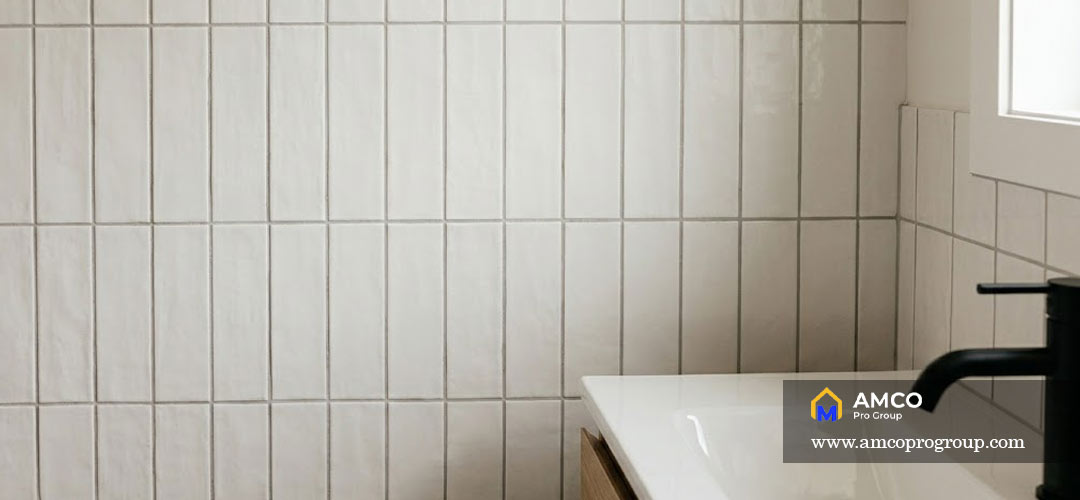
How to Choose a Tile Style That Won’t Feel Dated
Keep permanent surfaces calmer (shower walls, main floors) and put bold choices in more “replaceable” spots (niche, band, powder room wall). When you want interest without chaos, choose texture over pattern.
Most-missed pitfall: dramatic tile + dramatic grout. Let the tile talk and keep grout quiet—or go graphic with grout and keep the tile simple. Don’t ask both to be the headline.
Best Tile Ideas for Modern Bathroom Walls
Large-format wall tiles (12"x24" to 24"x48") create a sleek, seamless look by reducing grout lines. Use matte or soft satin finishes with matching or slightly darker grout. Best for full-height vanity walls and small bathrooms.
Vertical stacked subway tile (3"x12" or 4"x16") reads contemporary and adds perceived height. Pair warm white tile with light greige grout and an oak vanity, or soft gray with matching grout and matte black fixtures.
Textured and fluted tiles add subtle designer dimension through light and shadow. Keep the palette simple (white, sand, stone, charcoal) and use on one wall plane only.
Marble-look porcelain feels timeless when you avoid dramatic veining in small bathrooms, keep grout close in color, and add warmth with wood tones or linen.
Best Modern Bathroom Floor Tile Ideas
Matte porcelain is durable, slip-friendlier, and hides water spots. Stick to mid-tone grays or warm neutrals with grout that won’t highlight lint.
Terrazzo-inspired tile works as a fresh statement when the rest of the room stays quiet. Match base tones and keep fixtures crisp.
Concrete-look tile delivers minimalist architectural vibes. Add wood tones and warm lighting to keep it from feeling cold. Pair concrete-look floor + warm white walls + oak vanity + brushed nickel hardware.
Hexagon and geometric floors stay contemporary with simple patterns and controlled palettes. Use single-color hex mosaics with matching grout, and keep walls simpler.
Shower Tile Ideas for a Modern Bathroom
Floor-to-ceiling shower tile looks finished and intentional. Large-format porcelain with simple stacked layouts works best. Using the same tile on shower walls and main walls creates strong continuity.
A niche is perfect for a small accent. Keep the same tile and switch orientation, use a tonal mosaic, or add a subtle one-shade-darker contrast. Avoid introducing a new undertone.
Matching vs. contrast: Matching wall and floor tiles works best in small bathrooms and minimalist spaces. Contrast works in larger bathrooms when you want to highlight one feature. If you already have three tile looks, matching the shower restores calm.
Grout color: Matching grout gives a seamless upscale look. Mid-tone gray or greige on light tile is most practical. Bright white grout in showers ages quickly unless ventilation and cleaning are excellent.
Modern Bathroom Tile Ideas by Color
White and warm neutrals pair well with wood vanities and brass or nickel finishes. Add texture and layer lighting to avoid flatness.
Black and charcoal tiles look modern but show water spots and lint. Use matte finishes with strong lighting. In hard-water areas, mid-tones stay cleaner.
Earthy spa palettes (clay, sand, taupe, warm gray) feel calm and hide daily mess. Keep it clean-lined with large formats and one organic element like wood or greenery.
Bold accent tiles work best on one surface plane per bathroom—one wall, the floor, or a shower feature wall.
How to Choose Tile for Small Modern Bathrooms
Tile sizes that make a bathroom look bigger: Medium-to-large formats like 12"x24" reduce grout lines. Use small mosaics only where traction is needed (shower floor). Run the same tile into the shower for continuity.
Colors and finishes that reflect light: Warm whites, soft beiges, pale greiges, and satin wall finishes help small spaces. If you go matte everywhere, compensate with lighter tones and better lighting.
Layout + grout strategies: Vertical stacked wall tile adds perceived height. Match grout to reduce the grid effect. Use slightly darker grout on floors to hide wear.
Mistakes that make small bathrooms feel cluttered: Too many tile types, high-contrast grout everywhere, busy patterns on both floor and walls, and switching tile direction multiple times. Fix by picking one hero (floor or shower feature wall) and keeping everything else quiet.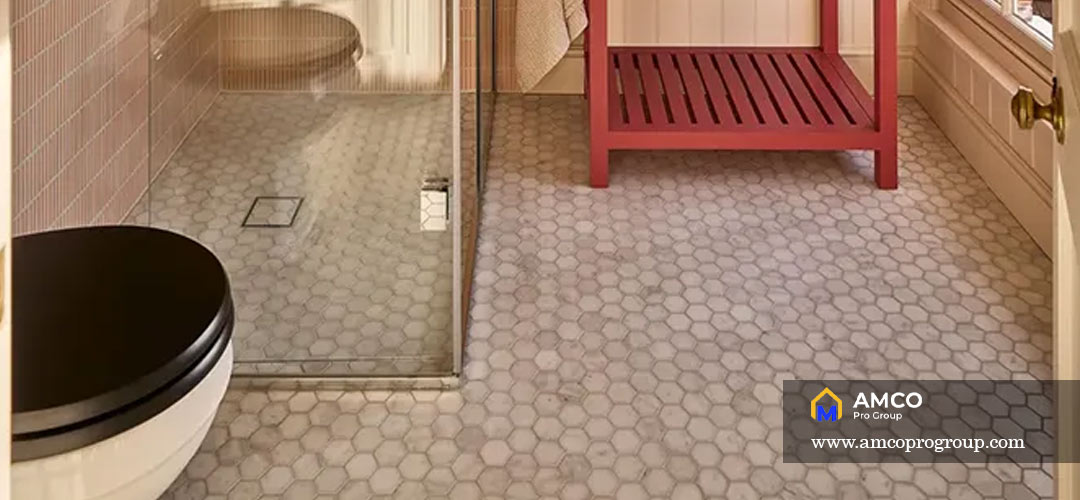
Expert Tips for Mixing Bathroom Tiles Without Overdesigning
How many tile types? Most modern bathrooms look best with 2–3 total: one main wall tile, one floor tile, and one optional accent. Small bathroom = 2 tiles (floor + shower/wall). Medium/large = 3 tiles.
How to coordinate: Match undertones (warm with warm, cool with cool). Vary scale rather than adding color chaos—large wall tile with smaller floor mosaic. Repeat one detail like grout tone or speckle color.
Budget-friendly custom look: Use affordable field tile broadly and upgrade only the niche or feature wall. Install standard tile in a modern layout like vertical stack. Spend on clean edges and alignment—that’s what reads custom.
Maintenance and Long-Term Practicality
Porcelain in wet zones is the best-looking tile you’ll still like after real life. Avoid pure white grout in heavy-use showers. Favor satin or matte finishes. Reduce grout lines where practical.
Quick maintenance checklist: Strong fan ventilation. A squeegee habit (especially with dark tile). A neutral cleaner compatible with your grout and tile finish.


