Small Kitchen Layouts That Actually Work
Published on Jun 14, 2026
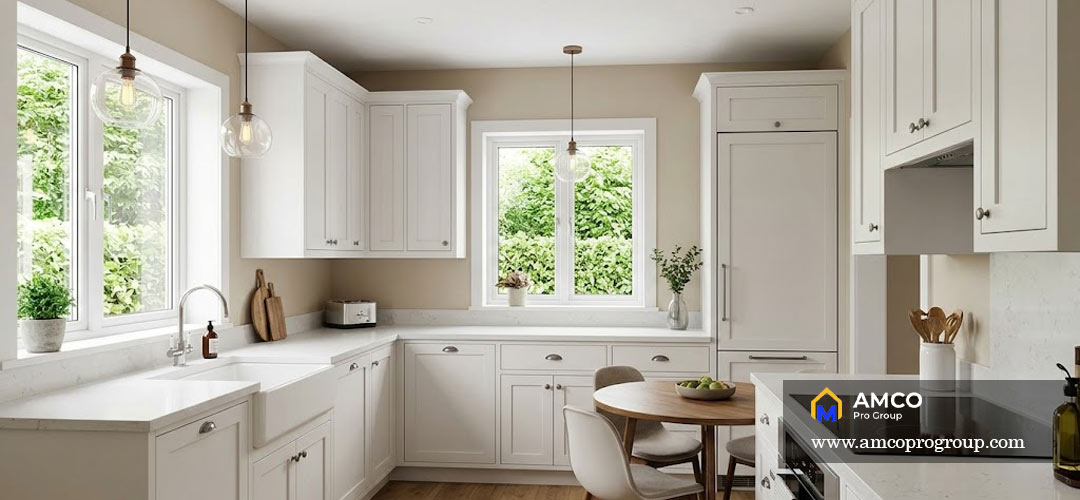
The most cramped kitchens aren’t cursed; they’re opportunities—especially when guided by professionals offering modern interior design services leawood. clever kitchen layouts for small homes transform limitations into your greatest asset, creating functional, beautiful spaces that punch well above their weight. It’s not about squeezing more in, but about making every inch work smarter for you.
The Challenge & Opportunity of Small Kitchens
Living in a smaller home often means working with tight spaces and budgets, which is why many homeowners explore strategies like modern home design on budget. When square footage is at a premium, the layout isn’t just about aesthetics but it’s the very backbone of your kitchen’s functionality. A poorly planned layout in a small space can lead to constant frustration. bumping into appliances, struggling for counter space, and feeling perpetually disorganized is very exhausting.
From our experience, tackling a small kitchen layout forces a clarity of thought that often leads to more efficient designs than in larger kitchens. Every decision, from the placement of the stove to the type of cabinetry, matters profoundly for everyone. Therefore, we move beyond generic advice to explore layouts that specifically address the unique needs of compact living, focusing on how to maximize every inch, streamline workflow, and create a space that feels both inviting and highly practical.
Understanding Basic Kitchen Layout Types
Before we dive into the specifics of small spaces, it’s essential to understand the fundamental kitchen layouts. Knowing these building blocks helps us adapt them effectively.
For example, in a One-Wall Kitchen, also known as the straight or linear kitchen, all your appliances and cabinetry are situated along a single wall. This layout is the most space-economical and often found in studio apartments.
Layout number two, the Galley style Kitchen, features two parallel walls with a central walkway. It’s highly efficient for workflow but can feel cramped if too narrow. This model, also known as a corridor kitchen, is renowned for its efficiency and is often found in smaller homes.
The L-Shaped Kitchen features cabinetry and appliances arranged along two adjacent walls, forming an “L.” This layout is versatile and can open up the central area for dining while allowing designers to creatively mix wood tones in interior design. This layout separates the cooking and cleaning zones, ensuring everything is within easy reach. U-Shaped Kitchen Cabinetry and appliances line three walls, creating a horseshoe shape. It offers ample counter and storage space but requires more room to avoid feeling claustrophobic.
Top Layouts for Small Homes & Apartments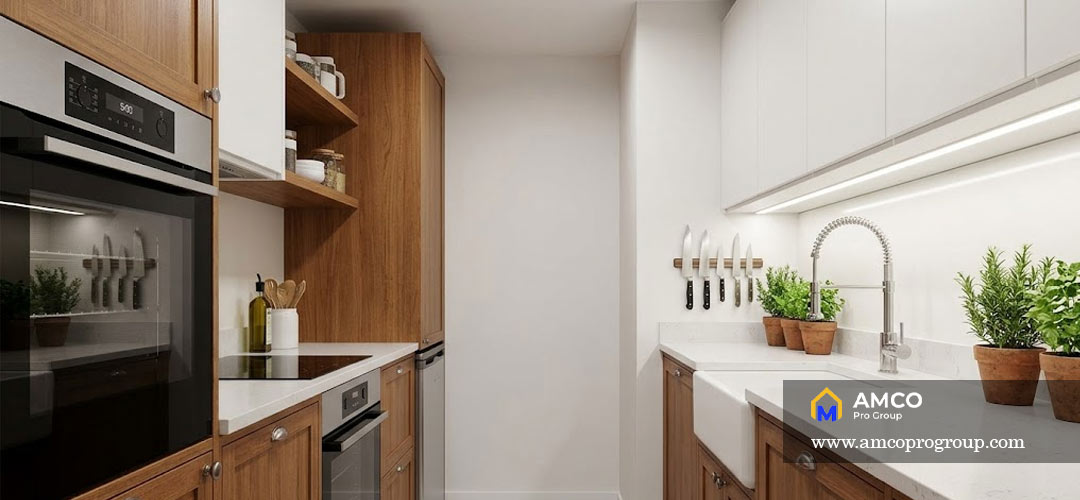
When every square foot counts, choosing the right kitchen layout isn’t just about aesthetics; it’s about creating a functional, efficient, and enjoyable space. Not all designs are created equal when your living area is limited. Here are the true stars of the small kitchen show, specifically optimized for the realities of compact living, ensuring you can prepare meals with ease and feel a sense of spaciousness, no matter the size. We’ll explore how fundamental layouts like the efficient One-Wall and Galley kitchens, the versatile L-Shaped design, and the efficient U-Shaped configuration can be adapted and perfected for even the tiniest homes and apartments.
The Compact Galley Kitchen
A galley kitchen, with countertops and cabinets running along two parallel walls, is incredibly efficient for workflow. It creates a direct path between the sink, fridge, and stove. In small homes, the key is ensuring there’s enough clearance (ideally 4-5 feet) between the two runs of cabinets to avoid feeling like you’re squeezing through a corridor.
Leveraging good under-cabinet lighting and bright overhead fixtures can make a narrow galley feel more open and less like a tunnel.
The Versatile L-Shaped Kitchen
The L-shape is a workhorse for small spaces because it utilizes corner real estate effectively and can open up the center of the room. This makes it excellent for integrating a small dining nook or keeping the kitchen connected to a living area. It generally offers more counter and cabinet space than a one-wall layout and can feel more balanced than a galley.
Invest in a good corner solution like a pull-out organizer to make this space accessible and prevent lost items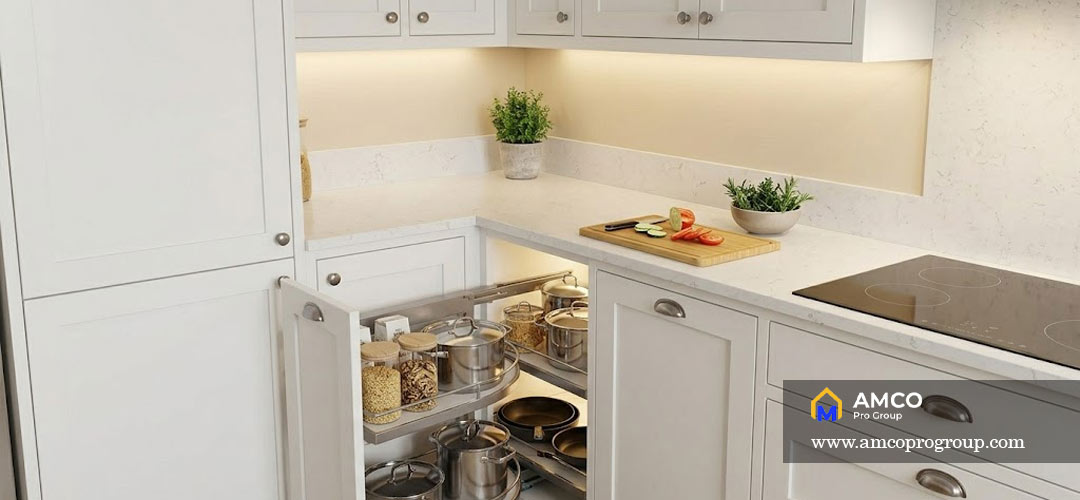
The Efficient U-Shaped Kitchen
If your small kitchen has a bit more width, a U-shape can offer a surprisingly functional and contained workspace. It provides extensive counter and storage space by utilizing three walls. The main consideration is ensuring there’s enough clearance in the center at least 5-6 feet to comfortably open appliance doors and move around without obstruction. Position the refrigerator at one end of the U and the stove/oven at the other to create a clear workflow. The sink often sits in the middle base.
Common Small Kitchen Layout Mistakes to Avoid
Even with the best intentions, it’s surprisingly easy to fall into common design traps—many of which are discussed in our guide to common interior design mistakes. Recognizing these potential pitfalls before they become operational headaches is crucial for creating a space that truly works for you. This isn’t about avoiding every single trendy item; it’s about smart, experienced-based choices for your small and funny kitchen.
Overcrowding with too many elements.
The allure of maximizing every inch can lead to a tempting urge to cram every possible appliance, gadget, or decorative piece into your compact kitchen. However, a kitchen that’s overstuffed visually shrinks, becoming less functional and far more stressful to navigate. From our experience, the real-world challenge here is distinguishing between essential tools and nice-to-have extras. Prioritize the core items needed for your cooking style and actively seek out intelligent, concealed storage solutions for anything else. Think minimalist functionality over maximalist clutter.
Insufficient counter or landing space.
While counter space is invariably at a premium in small kitchens, neglecting its strategic placement is a significant error. You absolutely need at least one primary food preparation area, ideally offering 2-3 feet of uninterrupted counter space. Equally vital is sufficient landing space clear surfaces directly adjacent to the refrigerator (for unloading groceries) and the oven/cooktop (for placing hot dishes). Without these, even the most efficient workflow breaks down.
Poorly planned storage.
Effective storage in a small kitchen is far more than simply having enough cabinets. It’s about intelligent organization tailored to how you cook and live. meticulously consider drawer inserts, deep pull-out shelves, vertical storage solutions like tiered racks, and even magnetic strips for utensils. Thinking about storage first, not as an afterthought, is an important key.
Conclusion: Creating Your Dream Small Kitchen
Designing a kitchen for a small home is about intelligent choices, including selecting durable finishes from our modern luxury home materials guide. The right layout, combined with smart storage and thoughtful design, can transform even the most compact space into a highly functional and enjoyable heart of your home. Whether you opt for the efficiency of a one-wall layout, the streamlined workflow of a galley, or the versatility of an L-shape, prioritize a clear workflow, ample functional storage, and good lighting. Remember, the best small kitchen layout is one that works seamlessly for your life and your home. Don’t be afraid to adapt these ideas to your unique space—or work with experienced renovation experts leawood to bring your small kitchen layout to life.