L-Shaped vs. U-Shaped Kitchens – Which Is Best?
Published on Jun 14, 2026
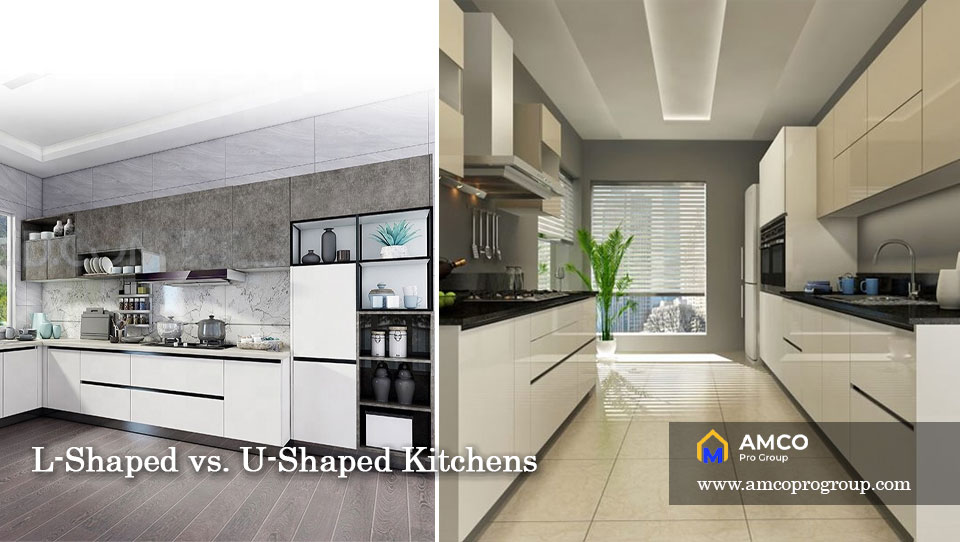
Trying to decide between an L-shaped and a U-shaped kitchen layout? You’re not alone. Choosing the right layout is one of the most critical decisions in kitchen design, and consulting renovation experts leawood can help ensure your choice works perfectly for your lifestyle and space. Get it wrong, and you could end up with a kitchen that feels cramped, inefficient, or just plain awkward.
The Importance of an Effective Kitchen Layout
From my experience, a well-designed kitchen layout is the unsung hero of a functional home. It’s the foundation upon which efficient cooking, enjoyable meal prep, and seamless entertaining are built. It dictates how you move, where you store things, and even how much natural light you can utilize.
Defining L-Shaped and U-Shaped Kitchens
Before we dive deep, let’s clarify what we mean. An L-shaped kitchen features two perpendicular walls of cabinetry and countertops, forming an “L” shape. A U-shaped kitchen, on the other hand, utilizes three walls, creating a “U” or horseshoe shape. The subtle difference in configuration leads to vastly different functional outcomes.
The L-Shaped Kitchen: Design, Benefits, and Drawbacks
The L-shaped layout is incredibly versatile and a popular choice for many homeowners. It offers a good balance of functionality and openness.
Key Characteristics and Common Configurations
Typically, an L-shaped kitchen has cabinets and appliances along two adjacent walls. This leaves a significant open area, often allowing for a dining table or island. It’s a flexible design that can adapt to various room sizes, from compact apartments to expansive homes.
Advantages: Space Efficiency, Workflow, and Openness
One of the biggest draws of the L-shape is its inherent flexibility. It naturally creates a good workflow, allowing for a relatively compact kitchen triangle between the sink, stove, and refrigerator. This layout also excels at making a space feel more open and connected to adjacent dining or living areas, which is a significant advantage in modern, open-concept homes. Plus, it generally offers ample countertop space without feeling overly enclosed.
Disadvantages: Potential for Dead Corners, Workflow Limitations
The primary challenge with L-shaped kitchens often lies in the corner where the two cabinets meet. Without specialized solutions like lazy Susans or pull-out shelves, these corners can become “dead space” – difficult to access and prone to clutter. While the workflow can be good, it might not be as optimized as a U-shape for cooks who do a lot of simultaneous prep work, as there’s less continuous counter space directly between workstations.
The U-Shaped Kitchen: Design, Benefits, and Drawbacks
The U-shaped kitchen, also known as a horseshoe layout, is a powerhouse of efficiency, particularly for those who spend a lot of time cooking.
Key Characteristics and Common Configurations
This layout involves cabinetry and countertops along three walls. This creates a semi-enclosed workspace, often with one open end for entry and exit. The continuous counter space and cabinetry provide an abundance of both prep area and storage.
Advantages: Ample Countertop and Storage, Enhanced Workflow
The U-shape is a cook’s dream. It offers extensive countertop space, allowing multiple people to work comfortably or providing ample room for elaborate meal preparation. The “kitchen triangle” is often very tight and efficient in a U-shaped design, minimizing steps between key workstations. The sheer volume of cabinetry also means superior storage potential.
Disadvantages: Can Feel Cramped, Traffic Flow Issues, Fewer Windows
The main drawback is that a U-shaped kitchen can sometimes feel a bit cramped, especially in smaller rooms or if the “U” is too narrow. This layout can also create a bottleneck for traffic if the entrance and exit points aren’t well-planned, potentially hindering movement. Furthermore, a U-shape can limit opportunities for windows on more than one wall, which might reduce natural light and ventilation compared to an L-shape.
Direct Comparison: L-Shaped vs. U-Shaped in Action
When you put them side-by-side, the differences in how these layouts function become clearer.
Workflow and The Kitchen Triangle Efficiency
For a tight, efficient kitchen triangle, the U-shape often has a slight edge. The proximity of the sink, stove, and refrigerator is maximized, requiring minimal steps. However, an L-shape can also provide excellent workflow, especially if you prioritize an island in the open space. The real-world challenge is ensuring the primary workstations aren’t too far apart, regardless of the layout.
Space Utilization for Small vs. Large Kitchens
L-shaped kitchens are generally more adaptable to smaller spaces. They can feel open and airy, preventing a compact area from becoming claustrophobic. U-shaped kitchens, while offering more counter space, can overwhelm a small room. For larger kitchens, a U-shape can be very effective at defining a dedicated cooking zone, while an L-shape might feel a bit too spread out without careful planning, perhaps incorporating a large island.
Storage Capacity and Accessibility
Unsurprisingly, U-shaped kitchens typically offer more storage due to the extra wall of cabinetry. This is a significant advantage for homeowners with many pots, pans, gadgets, and pantry items. L-shaped kitchens still offer good storage, but you might need to be more strategic with space-saving solutions like deep drawers and vertical organizers.
Aesthetics and Open-Concept Integration
L-shaped kitchens naturally lend themselves to open-concept living. The open side can easily flow into a dining area or living room, making it ideal for social gatherings and modern home designs. U-shaped kitchens can feel more like a dedicated, contained workspace. While they can be incorporated into open plans, they tend to create a more defined “room within a room” feel. This is where understanding modern kitchen layouts becomes critical.
Which Layout is Right for Your Home? Decision Factors
Choosing between these two popular layouts boils down to your specific circumstances.
Assessing Your Kitchen Size and Shape
This is paramount. Measure your space accurately. If you have a long, rectangular room, an L-shape might be ideal. If you have a more squarish or wider room, a U-shape could work well, provided there’s enough clearance. Don’t force a layout into a space it’s not suited for.
Considering Your Cooking Habits and Needs
How do you use your kitchen? If you’re a serious cook who juggles multiple tasks, the expansive counter space and efficient triangle of a U-shape might be perfect. If you entertain frequently and want a more communal feel, the openness of an L-shape, perhaps with an island, could be better. We often see people underestimate their actual needs for countertop space.
Prioritizing Storage vs. Openness
This is a fundamental trade-off. Do you need maximum storage for a large family or extensive collection of kitchenware? A U-shape often wins. Or do you prefer a more airy, open feel that integrates seamlessly with your living areas? An L-shape usually excels here.
Budget and Renovation Considerations
Both layouts can be implemented within various budgets, provided you are aware of kitchen remodeling mistakes to avoid during the planning process. However, a U-shape might require more cabinetry and countertop material, potentially increasing costs. If you’re working with an existing structure, consider how plumbing and electrical would need to be rerouted for each option. Planning your kitchen renovation carefully can save significant money.
Maximizing Your Chosen Layout: Tips and Tricks
Once you’ve decided, you can optimize your chosen layout for peak performance and style.
Optimizing L-Shaped Kitchens
To combat dead corners, invest in specialized corner cabinet hardware like a Lazy Susan or a pull-out system. Consider adding a kitchen island to an L-shape; it can provide valuable extra prep space, storage, and a casual dining spot, and you can explore more options in our guide on kitchen island storage style to significantly enhance functionality. This is a popular way to achieve ergonomic kitchen design principles.
Enhancing U-Shaped Kitchen Functionality
Ensure adequate clearance between the counter runs – typically 48-60 inches is recommended for comfortable movement and to avoid a cramped feel. If you have a smaller U-shape, opt for lighter cabinet colors and good lighting to make the space feel larger. Consider open shelving on one wall to reduce the visual weight of cabinetry.
Modern Design Trends for Both Layouts
Both L-shaped and U-shaped kitchens can be stunning, especially when applying principles from modern home design on budget. Incorporate sleek, handleless cabinets, mixed materials (wood, stone, metal), and integrated appliances for a contemporary look. For L-shapes, consider how the layout integrates with open plan kitchen design elements. For U-shapes, focus on creating visual interest with a striking backsplash or unique lighting.
Conclusion
Ultimately, the “best” kitchen layout is subjective and depends entirely on your home, your lifestyle, and your priorities.Ultimately, the “best” kitchen layout is subjective and depends entirely on your home, your lifestyle, and your priorities, which is why homeowners often turn to modern interior design services leawood to create a cohesive vision.
kitchens offer flexibility, openness, and adapt well to various sizes, making them great for social spaces. U-shaped kitchens provide superior storage and workflow efficiency, ideal for dedicated cooks.
If openness and social integration are key, lean towards an L-shape, possibly enhanced with an island. If maximum efficiency, ample storage, and a defined cooking zone are your top priorities, a U-shape is likely the superior choice. Weigh these core benefits against your specific space and how you live to make the perfect decision for your home.


