The Biggest Kitchen Remodeling Mistakes to Avoid
Published on Jun 9, 2026
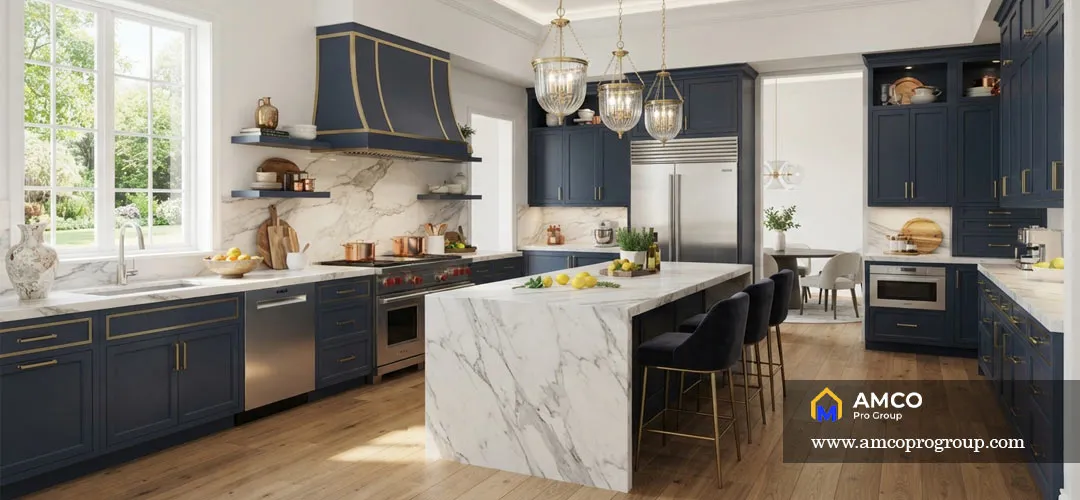
A kitchen remodel can look stunning on reveal day and still frustrate you for a decade. The most common kitchen remodeling mistakes usually have less to do with style and more to do with layout, budget planning, storage, lighting, and infrastructure decisions.
The best kitchens aren’t always the most expensive—they’re the ones that function well, feel comfortable every day, and stay durable over time.
Kitchen Remodel Planning Mistakes to Avoid
Before you tear down a single cabinet, the success of your kitchen remodel is already being decided by your planning. Most renovation disasters don’t happen because of poor tile choices—they happen because of a lack of upfront strategy. If you want to avoid budget blowouts, constant stress, and those “I wish I had done this differently” moments, you need to navigate these critical planning pitfalls first—and in many cases, working with modern interior design services in Leawood can help you define the right priorities before construction begins.
Not Defining Goals and Non-Negotiables
Most homeowners pick finishes before locking in function. Then the budget gets tight, and practical parts—like layout or storage—take the hit.
Fix it: Pick your top three priorities (e.g., storage, entertaining, cooking performance). Write down your “hard no’s,” such as not moving plumbing unless absolutely necessary.
Measuring “Close Enough”
In older homes, nothing is perfectly straight. Small measurement errors lead to filler strips, awkward gaps, and expensive adjustments later.
Fix it: Measure wall-to-wall at multiple heights. Confirm window heights, door swings, and soffits. Keep a shared “critical dimensions” sheet for your designer and contractor
Underestimating the Timeline
A kitchen remodel isn’t “six weeks.” It’s a complex process of demo, rough-ins, inspections, and finish work. When you’re stressed and living on takeout, you make worse decisions.
Fix it: Set up a temporary kitchen with a microwave and coffee setup. Always add a buffer time for inspections and countertop fabrication.
Kitchen Renovation Budgeting and Scope Errors
Even with the best intentions, the budget is where most projects lose their way. “Scope creep” is the silent killer of renovation timelines and bank accounts. To keep your project under control, you need to be ruthless about your spending and realistic about what your home actually needs—not just what looks good on Pinterest.
Not Setting a Realistic Contingency
A budget with zero flexibility is a wish. Almost every remodel has surprises—like water damage or outdated wiring.
Fix it: Add a 10% contingency for straightforward updates, or 15–20% for older homes. Use this fund for required fixes, not last-minute upgrades.
Letting Scope Creep Take Over
Once cabinets are ordered, small kitchen layout choices become expensive, triggering rework on electrical and plumbing.
Fix it: Lock decisions in stages: layout first, then appliances, then cabinets, then finishes. Use a strict change-order habit: every change gets a cost and timeline impact assessment.
Spending on Looks Over Infrastructure
Weak ventilation, insufficient circuits, or tired plumbing will make a stunning kitchen feel disappointing. These “bones” are the hardest to fix later.
Fix it: Upgrade the bones first. Spend more on hardware, lighting, and ventilation; save on decorative tile and trendy details.
Kitchen Layout and Design Function Mistakes
These are the mistakes you will feel twice a day, every day. A kitchen can look like a showroom, but if the layout fights your natural workflow, it becomes a daily burden rather than a joy to use. The goal isn’t just symmetry or an “Instagrammable” aesthetic; it’s about creating an environment that supports how you actually cook, clean, and live. If you ignore the mechanics of your space now, you’ll be paying for it in frustration for years to come. Are you struggling to optimize your current layout? A professional design can turn a cramped kitchen into a functional workspace. Contact our kitchen renovation experts in Leawood today to see how we can transform your workflow.
Poor Workflow and The Work Triangle
If the sink, stove, and fridge don’t match your routine, cooking feels like a chore.
Fix it: Design around your actual movement patterns, not just symmetry.
Ignoring Appliance Swings
Fridge, dishwasher, and oven doors need real space. If they collide with (kitchen island ideas) or cabinets, the layout will fight you daily.
Fix it: Test clearances with painter’s tape on the floor before construction begins.
Not Enough Landing Space
You need drop zones near the fridge, cooktop, and sink. Without them, groceries and hot pans have nowhere to go.
Fix it: Ensure you have at least 15-18 inches of countertop space on one side of the sink and on both sides of the cooktop.
Forgetting Essential Storage
Trash pull-outs, paper towel placement, and broom storage sound minor, but skipping them creates daily clutter.
Fix it: Map out where your “everyday” items live. If you don’t designate a home for the trash, paper towels, and cleaning supplies now, they will end up permanently on your countertops.
Kitchen Material and Finish Selection Mistakes
Your choice of materials is what defines the kitchen’s character, but it also dictates how much effort you’ll spend maintaining it over the next decade. Many homeowners fall into the trap of prioritizing the “look” of the moment over the realities of their daily lives. If you commit to high-maintenance finishes that don’t align with your lifestyle, or chase trends that fade within a year, you’re setting yourself up for buyer’s remorse. This section is about balancing aesthetic appeal with long-term durability.
Choosing Trend-First Finishes
Locking a trend into expensive, permanent components like cabinetry or countertops makes a newer kitchen feel dated almost immediately.
Fix it: Keep big-ticket items neutral and timeless. Save the trends for swappable elements like hardware, lighting, or wall paint. If you want to update your look without a full replacement, options like cabinet refinishing and repainting in Leawood or cabinet refinishing and repainting in Overland Park offer a practical way to transform your kitchen without the cost of new cabinets.
Selecting Materials That Don’t Match Your Lifestyle
Not all surfaces are created equal. Some countertops show every scratch, while certain cabinet finishes require a level of maintenance you likely won’t keep up with after the first year.
Fix it: Be honest about your cooking habits. If you’re a heavy cook, look for heat and stain resistance over pure aesthetics. Always ask suppliers for “care and failure modes”—understand exactly what stains, chips, or voids the warranty before you buy.
Compromising on Hardware and Hinges
Hardware, hinges, and drawer slides are the “muscles” of your kitchen. If you save money here, your cabinets will sag and your drawers will stick, making even a beautiful kitchen feel cheap.
Fix it: Upgrade your hardware and hinge systems before you upgrade decorative finishes. These are high-touch items; choose proven brands and test them in person to ensure they feel sturdy and smooth.
Need help choosing durable, low-maintenance materials?
Our team helps homeowners in Leawood and Overland Park avoid expensive finish mistakes and create kitchens built to last.
Book a kitchen remodeling consultation in Leawood
Kitchen Lighting, Electrical, and Ventilation Planning
Lighting and ventilation are the “unseen” pillars of a kitchen remodel. You might have the most beautiful cabinetry in the world, but if your countertops are constantly in shadow or your kitchen smells like dinner three hours after you’ve finished eating, the space will feel incomplete. Most homeowners treat these as final finishing touches, but they must be planned at the framing stage. This section covers how to ensure your kitchen is as comfortable and functional as it is beautiful.
Relying on a Single Ceiling Light
A single central light source creates harsh shadows on your workspace and makes the kitchen feel flat and uninviting. Bad lighting doesn’t just look poor; it makes prep work dangerous and colors look distorted.
Fix it: Use layered lighting. You need ambient (ceiling), task (under-cabinet), and accent (pendants) to create depth and eliminate shadows where you work.
Ventilation Errors
Recirculating hoods are often chosen to save money or simplify installation, but they frequently fail to actually vent odors, grease film, and humidity. They just move the problem around the room.
Fix it: Vent to the outside whenever feasible. Coordinate your hood selection with your contractor before cabinets are finalized so the ducting path is unobstructed.
Kitchen Remodeling Contractor and Project Management Mistakes
Even the most expensive, well-thought-out design plans can collapse if the management and execution process is flawed. Many renovation horror stories aren’t about a wrong tile choice; they are about poor communication, unexpected costs, and legal nightmares. Before you swing a hammer, you need a solid strategy for who you are hiring and how you are protecting your investment. This section ensures you don’t lose control of your project midway through.
Hiring Based on the Lowest Bid
The lowest bid is almost never the best deal; it is usually the least detailed. Missing scope in the initial estimate is exactly where “change orders” happen, which turn into expensive, frustrating “extras” down the line.
Fix it: Always compare bids line-by-line. Don’t look at the final number; look at the scope. Ask for recent, verifiable references and photos of similar work.
Skipping Permits or Code Requirements
Permits exist to ensure safety, fire prevention, and structural integrity. Attempting to skip them to “save time” or money creates massive resale and insurance problems later on.
Fix it: If a contractor suggests skipping permits, take that as a serious red flag and find someone else. It is your home and your liability, not theirs.
Conclusion
A successful remodel requires a blend of vision, planning, and skilled execution. Ready to bring your dream kitchen to life? [Schedule your consultation with our Overland Park renovation experts] and let’s start planning your project.
Kitchen Remodeling FAQ
What is the biggest mistake in a kitchen remodel?
The biggest mistake is prioritizing appearance over function. Poor layout and weak storage planning can make a beautiful kitchen frustrating to use daily.
How much contingency should I budget?
For a straightforward remodel, 10% is the minimum. For older homes involving plumbing or wall removal, 15–20% is recommended.
Is it worth moving plumbing during a remodel?
Only if the functional benefit is significant. Moving plumbing increases cost and complexity quickly, so ensure it serves a clear purpose.
What adds the most value in a kitchen remodel?
Functional layout, quality lighting, durable materials, and proper ventilation generally add more value than brand-name luxury appliances alone.