Floating Vanity vs. Traditional Vanity: Which is Best?
Published on Jun 14, 2026
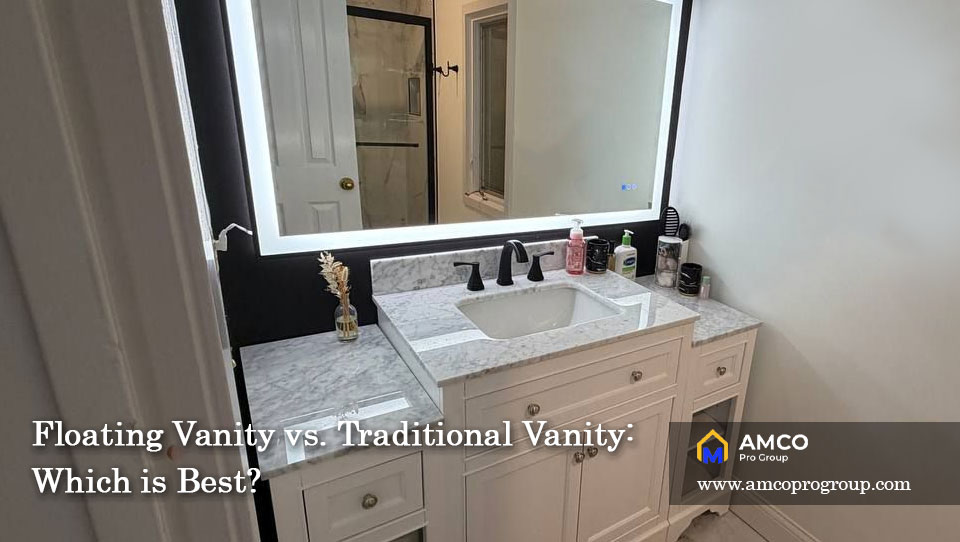
Deciding between a floating vanity and a traditional one isn’t just about aesthetics; it’s about how your bathroom functions, feels, and performs for years to come. Many homeowners face this choice, often swayed by fleeting design trends without fully grasping the practical implications. From my experience, a misplaced vanity choice can lead to regret, impacting everything from cleaning ease to perceived space.
Understanding the Basics: Defining Floating and Traditional Vanities
Before diving into the nuances, let’s establish a clear picture of what each vanity type entails. This foundational understanding is key to making an informed decision that aligns with your home’s needs and your personal style.
What is a Floating Vanity?
A floating vanity, also known as a wall-mounted vanity, is precisely what its name suggests: it’s attached directly to the wall and appears to “float” above the floor. This design choice creates a sense of openness and is a hallmark of modern and minimalist bathroom aesthetics. The primary benefits are its space-saving nature, the visual trick of making a room feel larger, and the ease of cleaning the floor beneath it.
What is a Traditional Vanity?
In contrast, a traditional vanity is a freestanding piece of furniture that sits directly on the floor. These are the vanities most people picture when they think of a bathroom vanity, often resembling a cabinet or dresser. They offer a sense of stability and are generally easier to install than their wall-mounted counterparts.
Key Visual Differences at a Glance
The most striking difference is evident at first glance: floating vanities lift off the floor, creating an airy, contemporary look, while traditional vanities rest solidly on the ground, offering a more grounded, classic presence. This visual distinction profoundly impacts the overall feel of a bathroom.
Pros and Cons: A Detailed Comparison
Every design choice involves trade-offs. Understanding the specific advantages and disadvantages of both floating and traditional vanities will illuminate which type better suits your priorities. From my experience, homeowners often underestimate the practical challenges of installation and maintenance. Let’s break down the real-world implications.
Floating Vanity Advantages
The appeal of floating vanities is multifaceted. Their design inherently maximizes the perception of space, making even compact bathrooms feel more expansive and airy. This clean, wall-mounted look also simplifies floor cleaning—no more awkward corners to scrub around. For those seeking a modern, minimalist, or spa-like aesthetic, a floating vanity adds a sophisticated touch often seen in high-end luxury bathroom designs.
Floating Vanity Disadvantages
While attractive, floating vanities come with significant considerations, particularly regarding installation and structural support. These units require robust wall anchoring and reinforcement to support the countertop weight; improper installation can lead to serious structural issues. Plumbing access can also be more complicated, potentially making repairs more difficult. Furthermore, the open space underneath means less inherent cabinet storage compared to a fully enclosed traditional unit.
Traditional Vanity Advantages
Traditional vanities offer a straightforward, dependable solution for most bathrooms. Their freestanding nature means they don’t require complex wall modifications, making them ideal for DIYers or quick renovations. The enclosed design typically provides abundant storage, offering more cabinet and drawer space to keep bathroom essentials neatly tucked away. This layout also contributes to their overall stability and durability, making them less prone to damage from weight. They are available in a vast range of designs to suit any decor.
Traditional Vanity Disadvantages
The main drawback of a traditional vanity is its footprint. Because it sits directly on the floor, it occupies valuable visual and physical space, which can make smaller bathrooms feel cramped. Additionally, cleaning around the base can be a nuisance, as dirt and moisture can accumulate in the gap between the vanity and the floor. Finally, their bulkier presence may not fit minimalist or ultra-contemporary styles as well.
Design Aesthetics and Style Integration
The visual impact of a vanity cannot be overstated; it’s often the focal point of the bathroom. Understanding how each type complements different design styles is crucial for creating a cohesive look and avoiding issues highlighted in common interior design mistakes.
Modern & Minimalist Bathrooms: The Floating Vanity’s Reign
Floating vanities are intrinsically linked with modern and minimalist design principles similar to those explored in timeless modern kitchen design ideas. Their clean lines, lack of a visible base, and sleek finishes (like high-gloss white, natural wood, or matte grey) contribute to an uncluttered, sophisticated aesthetic. They create an airy feel that is synonymous with contemporary, spa-like bathrooms.
Classic & Transitional Bathrooms: The Traditional Vanity’s Domain
Traditional vanities, with their varied styles—from shaker doors to ornate details—excel in classic, transitional, and even farmhouse-inspired bathrooms. They offer a sense of warmth, solidity, and familiarity. A well-chosen traditional vanity can anchor a room and provide timeless elegance, particularly when crafted from quality materials highlighted in modern luxury home materials guide.
How to Adapt Each Style to Your Existing Decor
The good news is that versatility exists for both. A floating vanity can be softened in a transitional space with warmer wood tones or a more traditional countertop material. Similarly, a traditional vanity can be modernized with a clean-lined silhouette or bold color choices inspired by the neutral vs bold interiors guide. Considering modern bathroom design trends can help you see how these elements are being blended effectively.
Practical Considerations: Installation, Plumbing, and Maintenance
Beyond looks, the day-to-day realities of owning a vanity—installation, plumbing access, and cleaning—are critical factors. These practical elements can significantly impact your satisfaction over time.
Installation: DIY vs. Professional for Floating Vanities
Installing a floating vanity is an involved process. It demands precise measurement, locating wall studs or installing appropriate backing, and ensuring the unit is level and securely fastened. Attempting this as a DIY project without adequate skills or tools can lead to structural issues, damage to plumbing, or an unevenly mounted vanity. Hiring a professional is often the wisest choice here, which is why many homeowners turn to experienced renovation experts leawood.
Installation: DIY vs. Professional for Traditional Vanities
Traditional vanities are generally much more forgiving. They typically require minimal assembly and simply need to be positioned correctly and secured to the wall to prevent tipping. Plumbing connections are usually straightforward, running from the wall or floor into the cabinet. This ease of installation makes them a popular choice for straightforward, DIY renovations.
Plumbing Accessibility and Repair: What to Expect
This is where floating vanities can present a challenge. The plumbing is often concealed within or very close to the wall for a clean look, meaning that if a leak occurs, maintenance can be tight. Traditional vanities, conversely, often have an open back or a removable panel, making the shut-off valves and drain pipes much more accessible for repairs. Understanding plumbing basics for homeowners can demystify some of these concerns.
Cleaning and Maintenance Differences
The ease of cleaning is a significant differentiator. Floating vanities allow for effortless sweeping or mopping underneath, preventing dust bunnies and grime buildup. Traditional vanities require you to clean around their base, and moisture can sometimes seep into the floor area, potentially damaging the vanity’s bottom or the flooring over time if not properly sealed.
Size, Storage, and Functionality
The practical demands of a bathroom—storing toiletries, accommodating family members, and fitting the space—are paramount. Vanity size and storage capacity play a huge role in functionality.
Maximizing Space: When to Choose Floating
If your primary goal is to make a small bathroom feel larger and more open, a floating vanity is often the superior choice. Its wall-mounted design frees up floor space, creating a visual sense of spaciousness. This is why many turn to them when looking for solutions to maximize small bathroom space.
Maximizing Storage: When to Choose Traditional
For bathrooms where storage is a top priority, traditional vanities usually win. Their enclosed, floor-standing design typically offers more depth and volume for cabinets and drawers, making it easier to store towels, cleaning supplies, and toiletries out of sight.
Vanity Size Options for Different Bathroom Layouts
Both floating and traditional vanities come in a wide range of sizes, from compact 18-inch units perfect for powder rooms to expansive 72-inch double vanities for primary bathrooms. When selecting, consider not just the width but also the depth and height to ensure a comfortable fit and adequate clearance for doors and walkways.
Budget and Long-Term Value
Cost is almost always a significant factor in home improvement projects. Understanding the price points, installation expenses, and long-term value of each vanity type can help you make a financially sound decision.
Cost Breakdown: Initial Purchase Price
Generally, floating vanities can be more expensive than comparable traditional vanities. This higher cost is often attributed to their specialized construction, the need for robust mounting hardware, and their perceived premium aesthetic. However, prices vary widely for both types based on materials, brand, and design.
Installation Costs: Where the Differences Lie
The installation cost is a critical point of divergence. As mentioned, floating vanities typically require professional installation due to the specialized skills needed for secure wall mounting, which adds significantly to the overall budget. Traditional vanities, being simpler to install, incur lower or even zero installation costs if you opt for a DIY approach. This is an important consideration for bathroom renovation budgeting.
Durability and Resale Value Considerations
Both types can be durable if made from quality materials and properly maintained. However, the structural integrity of a floating vanity heavily relies on the quality of its installation. In terms of resale value, a well-chosen and expertly installed vanity of either type can enhance a home’s appeal. A floating vanity might appeal more to buyers seeking modern aesthetics, while a traditional one offers timeless practicality.
Conclusion
The comparison between floating and traditional vanities reveals two viable paths to a functional and stylish bathroom. Floating vanities excel in visual lightness and space optimization, offering a modern solution. Traditional vanities, conversely, deliver on practicality through superior storage and ease of integration, making them a dependable choice. Your decision will depend on which set of priorities—modern design and space, or storage and simplicity—aligns best with your renovation goals, something professionals offering modern interior design services leawood can help evaluate.


