Best Kitchen Cabinet Paint Colors
Published on Jun 14, 2026
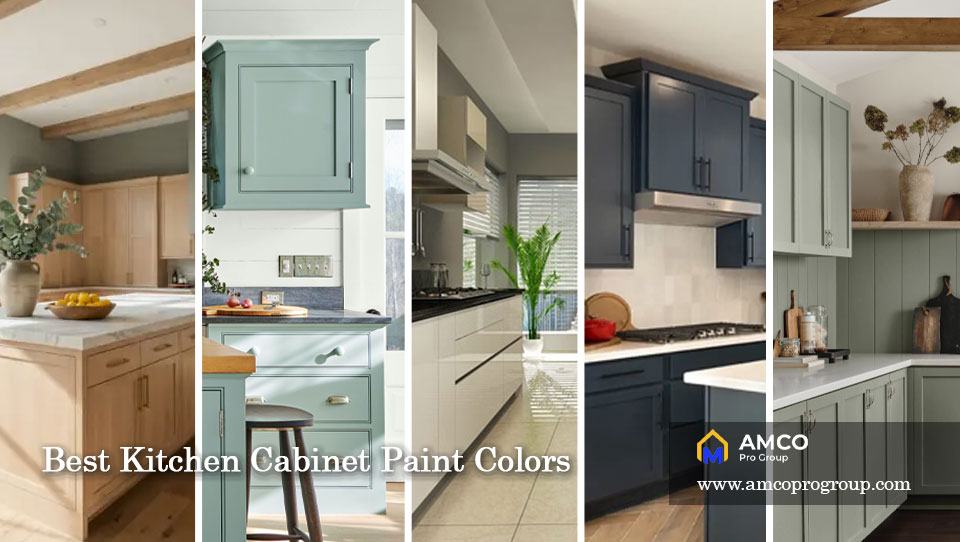
Kitchen Cabinet Paint Colors: Best Shades for a Stylish, Timeless Look
Choosing a kitchen cabinet color shouldn't feel like a high-stakes gamble—but it often does. Cabinets dominate your visual field, and the wrong undertone can make a "perfect" shade look sickly or oddly pink the moment your lights turn on. The real challenge isn't finding pretty cabinet color ideas—it's finding a color that still looks right next to your countertops and under your lighting, morning and night.
How to Choose the Right Kitchen Cabinet Paint Color
Before you browse a single swatch, zoom out. Your cabinets don't live alone—they sit within a system of lighting, floors, countertops, backsplash, and hardware. Start by locking in your fixed surfaces (stone and tile), then diagnose how lighting hits the space throughout the day. Only then should you select a color family and decide on your desired level of contrast.
Actionable takeaway: Take one photo of your kitchen in daylight and one at night. If it looks like two different rooms, your cabinet color must account for that.
Start with Your Kitchen's Light and Layout
Lighting dictates how a color actually performs. Layout also affects how color is perceived, especially in compact spaces where cabinetry dominates the visual field—something often discussed in small-kitchen-layouts.
A north-facing kitchen can make cool gray look clinical, while a south-facing room might turn soft cream into stark yellow by mid-afternoon. Evaluate your window direction and bulb Kelvin temperature before committing.
Match Cabinet Color to Countertops, Backsplash, and Flooring
Your cabinets must harmonize with harder-to-change materials. Find a common thread—if your quartz has warm gold veining, your cabinet color should share that warmth. Aim to coordinate depth and tone, not match exactly.
Consider Undertones Before You Commit
The hidden undertone reveals itself only on large surfaces. A neutral greige might flash green or violet next to your flooring. Compare potential shades against a true white background to force subtle blue, pink, or yellow hues to surface.
Decide Between Timeless, Trendy, or Bold
Deep forest greens and matte blacks offer drama but require specific architecture to stay relevant—especially once you understand the difference between Modern vs Contemporary Interior Design.
Best White and Off-White Kitchen Cabinet Paint Colors
White cabinets feel forgiving—until they aren't. The "wrong" white can shift yellow, drift gray, or turn clinical. Start by identifying whether your floors lean warm or cool, whether your countertops read warm, cool, or mixed, and your lighting temperature (warm 2700K–3000K or cool 3500K–5000K). These three cues narrow your options fast.
Warm White Cabinets for a Softer Look
Crisp whites work best with equally clean surroundings—quartz with cool veining, modern hardware, minimal pattern. They create sharp lines and fresh looks but can look harsh under cool LED lighting and exaggerate warmth elsewhere.
Cream and Off-White Shades That Add Depth
Off-white and cream provide depth that pure whites lack, especially in vintage or classic kitchens. They act as sophisticated bridges with creamy stone countertops. But avoid mixing with cool grays or icy whites, as cream can look "dirty" by comparison.
When White Cabinets Work Best
White maximizes light reflectivity in small or low-light kitchens and provides an airy baseline for busy backsplashes. White fails when the room lacks contrast (leading to a flat atmosphere) or against warm, busy surfaces that make white look thin.
Best Neutral Kitchen Cabinet Paint Colors Beyond White
Neutrals carry more undertone complexity than expected—a calm sample can read green, pink, or muddy on full cabinets. But neutrals bridge warm and cool finishes naturally, hide wear gracefully, and work with a wider range of materials.
Greige Cabinet Colors for Versatility
Greige sits between gray and beige, making it ideal for open-concept homes that mix wood, stone, and metal. It's timeless rather than trendy. The catch: greige is undertone-sensitive and can flash green in the wrong setting.
Soft Gray Cabinets for Contemporary Kitchens
A well-balanced soft gray works in kitchens with clean lines and cooler countertops. The main risk: gray can turn cold very quickly when paired with cool lighting or too many hard surfaces.
Beige and Taupe Cabinet Colors for Warmth
Today's muted, earthy beiges and taupes feel warm without looking old-fashioned. They're effective with warm wood floors and creamy countertops. However, if the undertone is off, they can shift pink or rosy under evening lighting.
Charcoal and Deep Neutral Tones for Contrast
Charcoal offers contrast without committing fully to black. It brings an architectural quality, feels forgiving with smudges, and works well in larger kitchens with strong natural light. Don't overlook finish—dark neutrals highlight dust and fingerprints if the sheen is too flat.
Best Colored Kitchen Cabinet Paint Colors
Colored cabinets inject personality, but avoid simply chasing online trends. Favor muted tones over neon, complex pigments over primary hues, and slightly grayed-out versions of bold colors. Match undertones to your countertop's color temperature.
Blue Kitchen Cabinets for a Classic Yet Fresh Look
Blue has become a modern classic, especially in deeper, dustier tones. It pairs well with white countertops and brass or matte black hardware. Soft blue with warm wood is relaxed; deep navy with crisp white is tailored.
Green Kitchen Cabinets for Natural, Designer-Inspired Style
Green bridges cabinetry and the natural world, connecting with wood, stone, and warm metals. Sage, olive, or forest green feel timeless when balanced correctly. Avoid green that's too yellow with cool-toned countertops—it can turn muddy.
Black Kitchen Cabinets for Drama and Sophistication
Black offers unparalleled drama, provided the room has sufficient natural light and the rest of the palette is simplified. It creates strong architectural contrast against light countertops. Black can feel heavy in a small, closed kitchen without balancing elements like open shelving or reflective surfaces.
Soft Earthy Tones for a Modern Organic Kitchen
Muted clay, sand, mushroom, and putty feel current without being loud. They're perfect for minimalist kitchens needing warmth, paired with natural textures and warm metallic accents. The challenge: avoid a monochromatic blend where cabinets disappear into floors and walls.
Common Kitchen Cabinet Paint Color Mistakes to Avoid
Most failures aren't dramatic—the kitchen simply feels "off." The issue usually comes down to undertone, lighting, or contrast, not the color family itself.
Ignoring Undertones in Countertops and Tile
Many homeowners focus on paint chips without identifying whether surrounding materials lean warm or cool. A neutral cabinet can look green, pink, or dirty next to stone with conflicting undertones. Compare every surface against true white paper to spot hidden undertones.
Choosing a Trend Without Considering Longevity
The issue isn't trends—it's copying a look without considering your home's architecture or how long you'll live with it. Trend-forward colors age better when the tone is muted, the kitchen is visually simpler, and hardware stays classic.
Using the Wrong Finish for Daily Wear
Ultra-flat finishes struggle with fingerprints, grease, and cleaning. High-gloss exaggerates every dent and imperfection. Choose a finish that supports both aesthetics and function—typically satin or semi-gloss for cabinets. Practical choices like these are essential in busy households and are often highlighted in modern family home design where durability and everyday usability matter.
Skipping Test Swatches in Real Kitchen Lighting
Don't rely on store lighting or tiny chips. Lighting is the final filter. A color balanced in daylight may become yellow, gray, or flat at night. Test samples during the day, at night, and with all task lighting on before making a final call.


