How Seasonal Changes Affect Your Home
Published on Sep 16, 2026
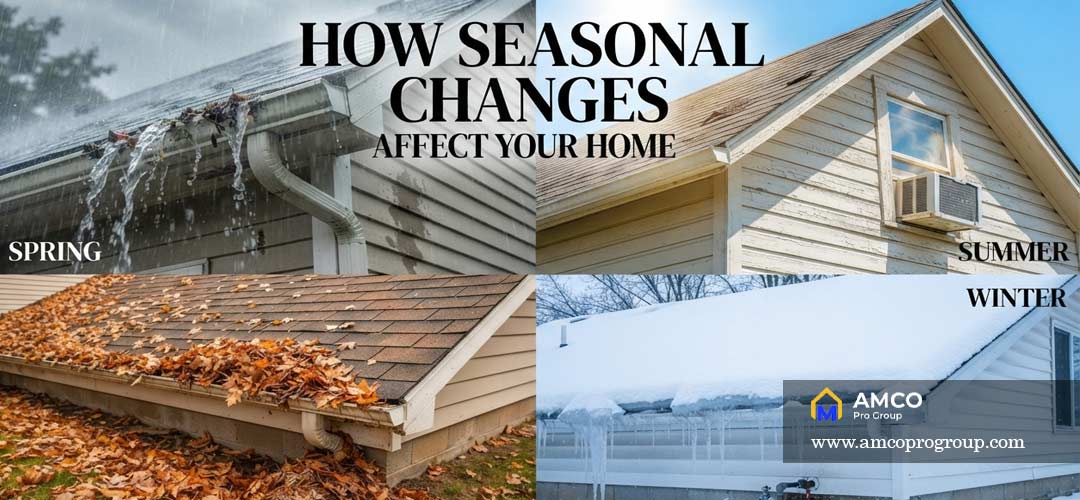
Seasonal changes affect your home through fluctuations in temperature, humidity, precipitation, sunlight, and ground conditions, putting different levels of stress on the roof, foundation, HVAC system, exterior materials, plumbing, and interior surfaces throughout the year.
A house does not respond to every season in the same way. Summer heat can increase cooling demand and accelerate exterior wear, while winter temperatures can expose plumbing, insulation, windows, and heating systems to cold-weather stress. Spring moisture can reveal drainage and water-intrusion problems, while fall creates an important window for preparing the home before colder conditions arrive.
Understanding how seasonal changes affect your home helps you identify maintenance needs before minor problems develop into larger repairs.
Changes in indoor humidity can also affect wood flooring through repeated expansion and contraction, which may eventually make Hardwood Floor Refinishing in Leawood necessary when visible wear or damage develops.
How Do Seasonal Changes Affect Your Home?
Seasonal changes affect your home by repeatedly exposing its materials and mechanical systems to changing temperature, moisture, and weather conditions.
These changes can influence several parts of a house at the same time:
● Roof and exterior: Temperature, rain, snow, wind, and ultraviolet exposure can accelerate wear on roofing and exterior finishes.
● Foundation and soil: Changes in moisture and temperature can alter soil conditions around the foundation.
● HVAC: Heating and cooling equipment experiences different operating demands as outdoor temperatures change.
● Windows and doors: Gaps, worn weatherstripping, and inadequate sealing can become more noticeable when heating or cooling demand increases.
● Plumbing: Freezing temperatures can create risks for exposed or poorly protected pipes.
● Interior surfaces: Changes in indoor humidity can affect wood flooring, trim, paint, and other moisture-sensitive materials.
The important issue is not simply that weather changes from one season to another, but that your home's materials and systems continuously respond to those changes.
Why Temperature Changes Matter
Repeated temperature changes can cause building materials to expand and contract, placing additional stress on joints, finishes, seals, and other connections.
Materials do not all respond to temperature at the same rate, so repeated movement can contribute to cracking, gaps, deterioration, or premature wear when components are already vulnerable.
Why Moisture Changes Matter
Seasonal rainfall, snow, humidity, and drying conditions can change how much moisture reaches or remains around different parts of the house.
Poor drainage, damaged seals, roof problems, or inadequate ventilation can allow seasonal moisture changes to become persistent water-related problems.
Repeated exposure to rain, moisture, sunlight, and temperature changes can gradually affect exterior wall finishes, making Stucco Repair & Installation in Leawood an important consideration when seasonal damage becomes visible.
How Does Spring Affect Your Home?
Spring affects your home primarily through increased moisture, changing temperatures, and the transition from winter heating to warmer weather.
Spring is an important inspection period because winter conditions may have exposed problems that become more serious when rainfall increases.
Roof and Gutter Problems After Winter
Spring rain can reveal damaged shingles, deteriorated flashing, clogged gutters, and poorly directed downspouts.
Water should move away from the roof and foundation rather than collecting against exterior walls or around the base of the house.
Inspect visible roof areas for missing or damaged shingles and check gutters and downspouts for debris before heavy spring rainfall becomes a recurring problem.
Foundation and Drainage Conditions
Spring moisture can make existing drainage problems more noticeable around the foundation.
Standing water, saturated soil, basement moisture, or newly developed cracks deserve attention because they can indicate that water is not being managed properly around the structure.
Check that the ground around the home directs water away from the foundation and that gutters and downspouts discharge water safely away from the building.
Preparing Cooling Systems
Spring is also the transition period when an HVAC system moves from limited heating use toward increased cooling demand.
Checking filters, airflow, outdoor equipment, and system performance before sustained hot weather can reduce the likelihood of discovering a cooling problem during peak demand.
How Does Summer Affect Your Home?
Summer affects your home through higher temperatures, increased air-conditioning demand, stronger sunlight, and changes in outdoor moisture conditions.
The combination of heat and prolonged cooling operation can place additional demand on HVAC equipment while exterior materials remain exposed to direct sunlight and weather.
HVAC Performance During Hot Weather
Your air conditioner typically works harder during periods of sustained high outdoor temperatures because it must remove more heat from the interior.
Restricted airflow, dirty filters, blocked outdoor equipment, or an existing mechanical problem can make cooling less efficient and increase system stress.
Heat and Exterior Materials
Extended sun exposure can gradually affect exterior paint, roofing materials, sealants, siding, and other surfaces.
Faded finishes, cracking caulk, deteriorated sealants, and damaged exterior surfaces should be addressed before water can penetrate vulnerable areas.
Humidity and Indoor Moisture
Summer humidity can increase indoor moisture when ventilation and air conditioning are not adequately controlling moisture levels.
Excess indoor humidity can contribute to condensation and create conditions that are unfavorable for wood products, finishes, and indoor air quality.
How Does Fall Affect Your Home?
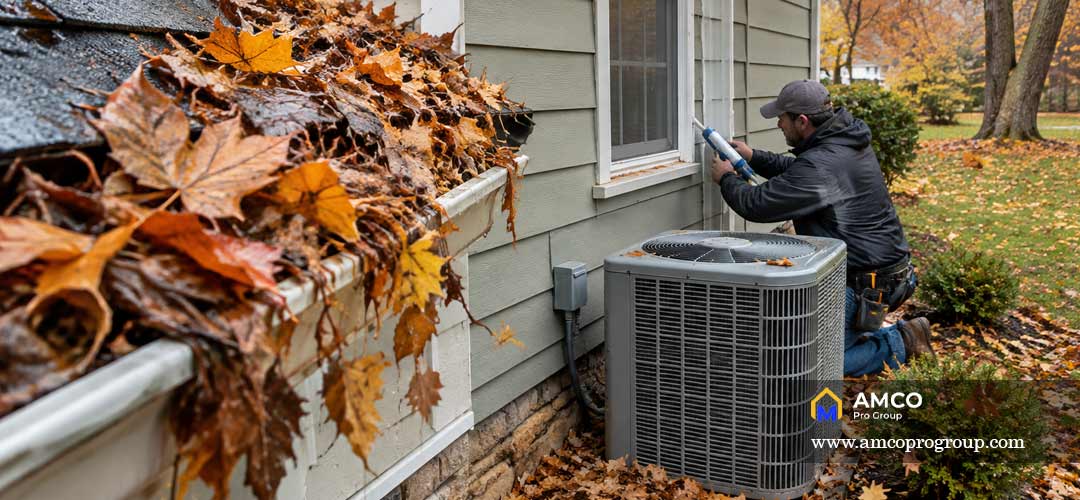
Fall affects your home by introducing cooler temperatures, falling leaves, shorter daylight hours, and the need to prepare major systems for winter.
This season provides an opportunity to address exterior vulnerabilities before freezing temperatures and winter precipitation make repairs more difficult.
Preparing the Heating System
A heating system should be checked before sustained cold weather creates continuous demand for heat.
Filters, thermostats, airflow, and other system components should be inspected according to the equipment manufacturer's maintenance requirements.
Cleaning Gutters Before Winter
Falling leaves can accumulate inside gutters and downspouts, restricting the path water needs to leave the roof.
Cleaning these drainage components before winter helps reduce the chance of water backing up around the roofline or foundation during rain, snow, or freezing conditions.
Sealing Drafts Around Windows and Doors
Gaps around windows and doors can allow conditioned indoor air to escape and outdoor air to enter.
Inspect weatherstripping, caulk, door sweeps, and visible gaps before heating demand increases.
How Does Winter Affect Your Home?
Winter affects your home through freezing temperatures, increased heating demand, snow or ice, and reduced drying conditions.
Cold weather can expose weaknesses in plumbing protection, insulation, roof drainage, exterior sealing, and heating systems.
Protecting Pipes From Freezing
Water inside an exposed pipe can freeze and expand, creating pressure that may damage the pipe.
Pipes located in vulnerable areas should be properly insulated and protected according to the home's construction and local climate conditions.
Roof and Ice-Related Problems
Snow and ice can create additional demands on roofing and drainage systems, particularly when existing roof or gutter problems prevent water from moving properly.
Visible roof damage, blocked drainage, or recurring ice-related problems should be evaluated rather than ignored until warmer weather arrives.
Heating and Indoor Air Quality
Winter heating reduces the natural exchange between indoor and outdoor air when homes remain closed for long periods.
Proper ventilation, clean HVAC filters, and functioning safety detectors are important parts of maintaining a healthy and safe indoor environment during the heating season.
Which Parts of Your Home Are Most Affected by Seasonal Changes?
The roof, foundation, HVAC system, plumbing, windows, doors, and exterior finishes are among the home components most directly exposed to seasonal weather conditions.
Seasonal Home Maintenance: Key Components and Inspection Points
Protecting your home from seasonal weather requires proactive monitoring of the components most exposed to environmental stressors. Identifying potential issues early is the most effective way to prevent costly repairs and maintain structural integrity.
Roofing and Drainage Systems
The roof is your home’s primary defense against rain, snow, heat, and UV radiation. To prevent water intrusion, perform regular inspections for damaged shingles, loose materials, and deteriorated flashing. In tandem, your gutter system must be maintained to handle precipitation effectively. Accumulation of leaves, debris, or ice can lead to clogs and overflow, which may cause water damage to your siding and foundation. Ensure gutters are cleared seasonally to maintain proper drainage flow.
Foundation and HVAC Systems
Your foundation is heavily influenced by soil moisture and temperature fluctuations. Key warning signs to watch for include new cracks, standing water near the perimeter, or signs of settlement. Meanwhile, your HVAC system endures significant stress during seasonal transitions. Monitor for poor airflow, unusual mechanical noises, or a general decline in performance, as these are often early indicators of a system requiring professional service. Additionally, in colder climates, prioritize the insulation of plumbing to prevent frozen or burst pipes.
Exterior Envelopes and Finishes
Windows, doors, and exterior finishes are the first lines of defense against air infiltration and weather damage. Changes in temperature and wind pressure can compromise seals, leading to drafts, energy loss, or condensation between glass panes. It is essential to inspect weatherstripping and door frames regularly. Furthermore, monitor exterior finishes—such as paint, siding, and caulking—for signs of peeling, cracking, or surface deterioration caused by sun exposure and humidity. Prompt maintenance here prevents moisture from penetrating the structural envelope.
Interior Flooring
Indoor humidity changes can have a significant impact on wood flooring. Because wood is a natural material, it expands and contracts based on moisture levels. Keep an eye out for signs of environmental stress, such as cupping (edges rising), gaps between boards, or noticeable swelling and movement. Maintaining consistent indoor humidity levels is crucial for protecting the longevity and appearance of your wood floors throughout the year.
How Can You Protect Your Home From Seasonal Changes?
You can reduce the effects of seasonal changes by inspecting vulnerable areas before major weather transitions and correcting small problems before they become system-wide damage.
A practical approach is to connect each maintenance task to the weather condition it is designed to address rather than treating home maintenance as one large annual project.
Before Spring
Check the roof, gutters, downspouts, foundation perimeter, drainage, exterior surfaces, and cooling system after winter.
Before Summer
Confirm that the air-conditioning system has adequate airflow, outdoor equipment is unobstructed, exterior seals are intact, and moisture is being controlled indoors.
Before Fall
Service the heating system as appropriate, clean gutters after leaves accumulate, inspect weatherstripping, and address exterior openings before temperatures drop.
Before Winter
Protect vulnerable plumbing, check heating performance and safety equipment, inspect weather sealing, and address roof or drainage problems before freezing conditions arrive.
When Should Seasonal Home Problems Be Professionally Inspected?
Professional inspection is appropriate when seasonal changes reveal structural movement, persistent water intrusion, significant roof damage, major HVAC problems, or plumbing issues that cannot be safely diagnosed or repaired by the homeowner.
A recurring crack, repeated leak, persistent moisture, unexplained HVAC performance change, or evidence of structural movement should not be treated as ordinary seasonal wear without further evaluation.
Professional assessment becomes particularly important when the visible symptom may be connected to a larger problem, such as water entering through an exterior assembly or movement affecting multiple parts of the house.
If seasonal wear has revealed a larger repair or renovation need, the appropriate solution depends on whether the problem is isolated damage, deteriorated materials, outdated functionality, or a combination of these conditions.
Why Seasonal Maintenance Matters for Long-Term Home Condition
Seasonal maintenance matters because identifying weather-related problems early gives homeowners an opportunity to repair vulnerable components before damage spreads to connected materials or systems.
A small exterior opening can allow moisture into concealed areas, while neglected drainage can repeatedly expose the foundation to unwanted water.
Likewise, an HVAC problem discovered before peak heating or cooling demand is easier to address than a system failure during extreme weather.
Understanding how seasonal changes affect your home therefore allows you to plan maintenance around actual environmental stress instead of waiting for visible damage or equipment failure.
For homeowners considering larger improvements, seasonal inspections can also help identify which repairs should be completed first and which upgrades can be incorporated into a broader remodeling plan.
Frequently Asked Questions About Seasonal Changes and Your Home
How do seasonal changes affect your home?
Seasonal changes affect your home through temperature fluctuations, moisture, precipitation, sunlight, and changing heating and cooling demands that can influence structural components, exterior materials, HVAC systems, plumbing, and interior finishes.
What season is best for home maintenance?
Spring and fall are important maintenance periods because they provide opportunities to inspect the home after winter and prepare major systems and exterior components for the next cold or hot season.
Can seasonal changes cause foundation cracks?
Seasonal changes in soil moisture and temperature can contribute to movement around a foundation, while drainage problems and existing structural conditions can increase the risk of cracking or other foundation-related issues.
Does humidity affect a house?
Yes, changing indoor humidity can affect moisture-sensitive materials and contribute to condensation or other moisture problems when humidity is not adequately controlled.
How does winter affect plumbing?
Freezing temperatures can cause water inside vulnerable pipes to freeze and expand, potentially damaging plumbing components if the pipes are not adequately protected.
How does summer weather affect HVAC systems?
High outdoor temperatures can increase cooling demand and make an air-conditioning system operate for longer periods, making airflow, filters, equipment condition, and proper maintenance more important.
Why should gutters be cleaned seasonally?
Seasonal debris can restrict gutter and downspout drainage, allowing water to overflow or collect near vulnerable areas of the roof and foundation.
Should seasonal home maintenance include the roof?
Yes, roof inspections should account for the effects of rain, wind, sunlight, snow, ice, and temperature changes because damaged roofing components can allow water to reach areas that are normally protected.
Can seasonal changes damage hardwood floors?
Changes in indoor humidity can cause wood to absorb or release moisture, which may contribute to movement such as gaps, swelling, or cupping when conditions become excessive or fluctuate significantly.
When should I call a professional for seasonal home damage?
Contact a qualified professional when you find persistent leaks, significant roof damage, structural cracks, suspected foundation movement, major plumbing problems, or HVAC issues that require specialized equipment or technical diagnosis.