How to Protect Your Home During a Remodel
Published on Aug 15, 2026

A home remodel can transform your living space, but the construction process can also expose the rest of your home to dust, debris, scratches, stains, and accidental damage. Knowing how to protect your home during a remodel helps keep unaffected rooms clean, protects existing finishes, and reduces unnecessary repair costs.
A proper remodeling protection plan should cover more than furniture. Floors, walls, doors, HVAC systems, personal belongings, and high-traffic paths can all be affected when construction is taking place inside or around your home. If your remodeling project also includes exterior wall work, proper protection becomes especially important when existing stucco surfaces are being repaired or replaced. For homeowners planning this type of exterior improvement, our Professional Stucco Repair & Installation in Leawood service provides specialized solutions for maintaining and improving stucco exteriors. Professional remodeling crews use containment barriers, floor coverings, controlled access points, and dust-management methods to limit these risks.
Whether you are remodeling a kitchen, bathroom, basement, living room, or several areas at once, the right preparation can make the construction process much easier to manage.
1. Create a Clear Construction Zone Before Work Begins
The first step to protecting your home during a remodel is to clearly separate the construction area from the parts of the house that will remain occupied.
A defined construction zone gives workers a controlled area for demolition, material storage, cutting, sanding, and installation while reducing unnecessary traffic through finished rooms.
Before construction begins, identify which rooms will be affected and which areas need to remain clean and accessible. Your remodeling contractor should also establish the primary path for workers and materials so that people do not repeatedly walk through unaffected areas.
This planning is especially important for larger remodeling projects where construction activity may continue for several weeks.
READ MORE : How to Design a Modern Home on a Budget
Use Temporary Dust Barriers
Temporary plastic barriers can separate the work area from the rest of the home and reduce the movement of construction dust and debris.
A properly sealed containment wall should extend from the floor toward the ceiling and have a controlled entrance rather than leaving an open doorway between the work area and living space.
For projects that involve demolition, drywall sanding, tile removal, or other dusty work, a zipper-style entrance can make it easier for workers to enter and leave without constantly opening the entire barrier.
Establish a Dedicated Access Route
A dedicated construction entrance can reduce the amount of dirt, debris, and foot traffic moving through your home.
If your property allows it, your contractor may use a garage door, side entrance, basement entrance, or another practical access point for workers and material deliveries.
Keeping construction traffic on one predictable route also makes it easier to protect the floors and surfaces along that path.
2. Protect Your Floors From Construction Damage
Floor protection is one of the most important parts of a home remodeling protection plan because flooring can be damaged by heavy materials, tools, ladders, dirt, moisture, and repeated foot traffic.
Hardwood, tile, natural stone, luxury vinyl, and carpet each require protection suited to their surface and the type of work being performed.
Cover Hardwood and Hard-Surface Floors
Heavy-duty floor protection can help prevent scratches, dents, paint splashes, and impact damage during construction.
For hardwood and other hard surfaces, protective boards or heavy-duty floor coverings can provide a more durable barrier than lightweight plastic alone. Some professional protection products are designed to resist impacts and spills while remaining suitable for active construction areas.
The protective material should be installed before tools and materials begin moving through the area rather than after construction has already started.
Protect Carpet From Dust and Stains
Carpet can quickly collect construction dust, mud, paint, and other debris when workers repeatedly enter and leave a remodeling area.
A protective film or appropriate temporary carpet covering can create a barrier between the existing carpet and construction traffic.
The edges and transitions should be secured carefully so the covering does not move or create a tripping hazard.
Protect Stairs and High-Traffic Walkways
Stairs often receive heavy construction traffic because workers may need to move tools, debris, and building materials between floors.
Protective coverings should extend across the walking surface and remain securely positioned throughout the project.
Extra attention should be given to stair edges because damage in these areas can be difficult to repair without replacing individual components.
3. Keep Remodeling Dust From Spreading Through Your Home
Construction dust is one of the biggest challenges during an interior remodel because fine particles can travel beyond the immediate work area and settle on furniture, fixtures, electronics, and other surfaces.
The most effective approach is to control dust at the source instead of waiting until the project is finished to clean it.
Seal the Construction Area
Plastic containment walls should be sealed as tightly as practical around the remodeling zone to limit air movement between the work area and occupied rooms.
A zipper doorway can provide controlled access while keeping the containment barrier closed when workers are not entering or leaving.
For particularly dusty phases such as demolition or drywall sanding, professional air-scrubbing equipment with appropriate filtration can provide additional dust control.
Use Dust-Controlled Tools
Tools connected to dust collection systems can capture particles close to the point where they are created.
Wet-cutting methods may also reduce airborne dust during certain tile and masonry applications when appropriate for the material and construction process.
The specific dust-control method should match the work being performed rather than relying on general cleaning after the fact.
Clean the Work Area Regularly
Daily cleanup prevents construction debris from accumulating and reduces the amount of material that can be tracked into other parts of the home.
A professional remodeling crew should remove debris regularly, keep walkways clear, and maintain the containment system throughout the project.
4. Protect Your HVAC System During a Remodel
Your HVAC system deserves special attention during a remodel because forced-air heating and cooling can move construction dust through the home's ductwork.
Dust entering supply and return registers in the construction area can potentially spread particles into other rooms when the HVAC system operates.
Protect HVAC Vents in the Work Area
Vents and return registers located inside or immediately around the construction zone may need temporary protection during dusty phases of the remodel.
The protection method should be selected carefully because improperly blocking too many HVAC openings can affect system airflow and operation.
Your remodeling contractor and HVAC professional can determine which registers should be protected and how the system should operate during construction.
Replace HVAC Filters More Frequently
Construction can load an HVAC filter with dust faster than normal household use.
Checking the filter regularly during the remodel and replacing it when necessary can help maintain airflow and filtration performance.
For larger projects, the HVAC system should also be inspected after construction so accumulated dust does not remain in the equipment or distribution system.
5. Move and Cover Furniture Before Remodeling Starts
Furniture should be removed from the construction zone before demolition or installation begins because covering an item is not always enough to protect it from heavy construction activity.
Large furniture pieces that cannot be removed should be moved as far away from the work area as practical and covered with appropriate protective materials.
Remove Valuable and Fragile Items
Artwork, collectibles, electronics, glass objects, and other valuable belongings should be relocated away from the construction area.
Moving these items before work begins eliminates the risk of accidental impact, vibration, dust accumulation, or exposure to paint and construction debris.
Cover Remaining Furniture Properly
Furniture that remains inside the home should be covered with protective material that can limit exposure to dust and debris.
The covering should be secured without damaging the furniture and should not interfere with worker access or create unnecessary obstacles around the construction zone.
6. Protect Walls, Doors, Cabinets, and Fixtures
Existing finishes outside the remodeling area can still be damaged when workers carry tools, cabinets, appliances, lumber, or other large materials through the home. Protecting these surfaces is particularly important along narrow hallways, doorways, corners, and other areas where materials have limited clearance.
Cabinets that are not being replaced should receive extra protection during nearby construction, especially if homeowners plan Cabinet Refinishing and Repainting in Leawood as part of a remodeling project. Proper covering and careful handling can help prevent dust, scratches, paint splashes, and accidental impact from damaging existing cabinet surfaces.
Protect Doorways and Trim
Door frames and finished trim can be scratched or dented when large materials pass through an opening.
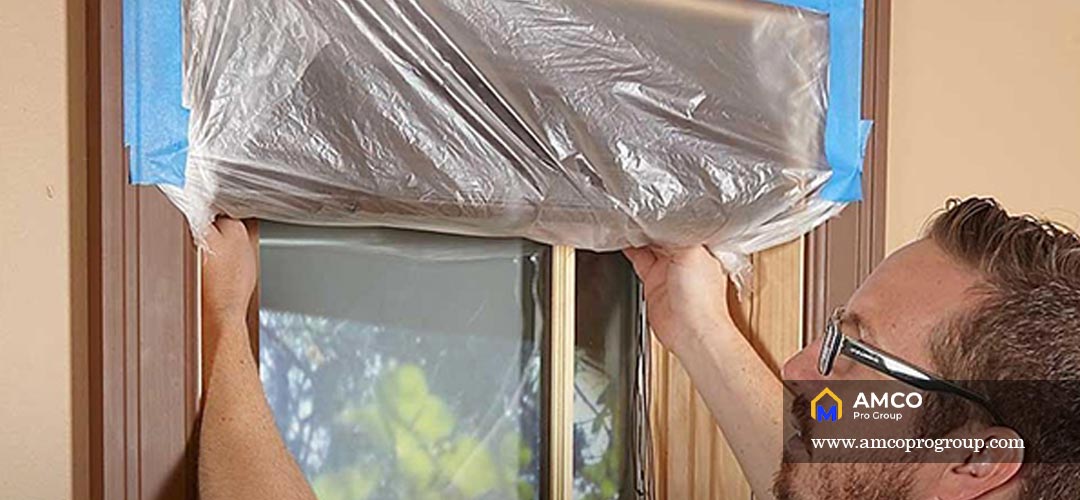
Temporary protective coverings can help shield vulnerable surfaces during material delivery and installation.
Protect Existing Cabinets and Fixtures
Cabinets, countertops, plumbing fixtures, and built-in features that remain in place should be protected when construction takes place nearby.
This is especially important during demolition because falling debris and vibration can damage finished surfaces that are not being replaced.
7. Control How Workers and Materials Move Through Your Home
A remodeling project becomes easier to protect when everyone follows the same access and movement plan.
Workers should know which entrance to use, which areas are off-limits, where materials should be stored, and which paths must remain protected.
Create a Protected Walkway
A designated walkway creates a controlled route between the construction area and the exterior entrance.
Protecting this path with appropriate floor covering can reduce dirt and damage in the areas used most frequently by the remodeling crew.
Keep Construction Materials in One Area
Building materials should be stored in a planned location rather than scattered throughout the home.
Organized material storage reduces unnecessary movement, keeps walkways open, and lowers the risk of accidental damage to finished areas.
8. Keep Children and Pets Away From the Construction Area
A remodeling site can contain exposed electrical components, sharp materials, tools, ladders, debris, and temporary openings that are not safe for children or pets.
The construction zone should therefore have a physical boundary that prevents unauthorized access.
Temporary barriers, closed doors, gates, and clearly defined access points can help separate the active work area from occupied spaces.
Pets also need special consideration because unfamiliar workers, loud demolition, open doors, and construction materials can create additional risks.
If children or pets live in the home, establish a safe area where they can stay away from construction activity throughout the project.
9. Protect Your Home From Water and Weather During a Remodel
Remodeling can temporarily expose parts of your home that are normally protected by finished walls, ceilings, windows, roofing, or exterior materials.
Open walls, removed windows, roof work, and exterior construction can create temporary vulnerabilities that require additional protection.
Protect Open Areas From Rain
If an exterior opening is created during construction, it should be properly secured before the crew leaves the site.
Temporary weather protection should be appropriate for the opening and strong enough to remain effective until permanent construction is completed.
Monitor Areas Around Plumbing Work
Kitchen and bathroom remodels can involve temporary changes to plumbing systems.
Water supply lines, drain connections, and exposed plumbing should be secured and checked regularly to reduce the risk of leaks affecting existing parts of the home.
10. Protect Your Home During Demolition
Demolition is often the phase that creates the greatest amount of dust, debris, vibration, and construction traffic.
Before demolition starts, the contractor should identify the surfaces and systems that will remain and establish appropriate protection around them.
Isolate Demolition From Finished Areas
Containment barriers should be installed before demolition begins rather than after dust has already entered adjacent rooms.
The demolition area should have controlled access and appropriate floor protection so debris does not spread through the home.
Remove Debris Safely and Regularly
Construction debris should not be allowed to accumulate in walking paths or occupied areas.
Regular debris removal keeps the work zone safer and reduces the chance that materials will be dragged into other parts of the home.
11. Protect Your Home While Living Through a Remodel
Living in your home during a remodel requires additional planning because construction and daily life will share the same property.
A temporary living plan can reduce disruption by defining which rooms remain available and which areas are reserved exclusively for construction.
Create a Temporary Living Area
If your kitchen, bathroom, bedroom, or main living space is being remodeled, establish an alternative area before construction begins.
A temporary kitchen may include a refrigerator, microwave, coffee maker, countertop workspace, and basic dishes when the main kitchen is unavailable.
For bedroom renovations, prepare an alternative sleeping area before the existing room becomes inaccessible.
Maintain a Clean Path Through the Home
A clean path allows you to move between essential rooms without entering the construction zone.
The path should remain free of tools, materials, cords, and debris throughout the project.
12. Protect Your Home by Reviewing Insurance Before Remodeling
A significant renovation can change the value and risk profile of your property, so homeowners should review their insurance coverage before major work begins.
Some remodeling projects may create coverage considerations involving construction materials, temporary conditions, contractor-related risks, or increased replacement value.
Contact your insurance provider before construction starts and explain the scope of the remodeling project.
Your contractor should also provide information about their licensing, insurance, and responsibilities for protecting the property during construction.
13. Use a Written Home Protection Plan With Your Contractor
A written protection plan makes it clear how your property will be protected before, during, and after construction.
The plan should identify the areas requiring floor protection, dust containment, furniture protection, HVAC protection, material access, and daily cleanup.
Before work begins, walk through the home with your remodeling contractor and identify existing finishes that need special protection.
Taking photographs of existing conditions can also create a useful record of the home's condition before construction starts.
14. Inspect Your Home During the Remodeling Project
Home protection should not be treated as a one-time setup completed on the first day.
Protection materials can shift, tear, become saturated with debris, or lose effectiveness as construction continues.
Check high-traffic areas regularly and ask your contractor to repair or replace damaged protective coverings when necessary.
Daily jobsite cleanup and routine inspection help maintain the protection system throughout the entire remodeling process.
15. Complete a Final Home Protection Check After Remodeling
The protection process should continue until construction is complete and the work area has been properly cleaned.
After the final installation, remove temporary barriers carefully and inspect floors, walls, trim, doors, cabinets, fixtures, and other existing surfaces around the project.
Check Floors and Finished Surfaces
Look for scratches, dents, stains, paint residue, adhesive marks, and other signs of construction damage.
Any issue should be documented and addressed before the project is considered fully complete.
Replace or Clean HVAC Filters
After dusty construction is finished, check the HVAC filter and replace it if necessary.
The HVAC system and nearby registers should also be inspected for visible construction dust before normal operation resumes.
Complete a Final Walkthrough
A final walkthrough with your remodeling contractor gives you an opportunity to review the completed work and identify any remaining cleanup or repair items.
The best time to address these issues is before the project is formally closed.
How Do I Protect My Home During a Remodel?
To protect your home during a remodel, start by separating the construction zone from occupied areas with temporary dust barriers, protecting floors and high-traffic paths, covering or relocating furniture, protecting HVAC registers, controlling construction dust, and limiting access to the work area.
The protection plan should also account for children, pets, valuable belongings, exterior openings, plumbing work, and the specific risks created by demolition or installation.
Most importantly, home protection should be treated as part of the remodeling process rather than an optional cleanup step after construction.
Final Thoughts on Protecting Your Home During a Remodel
Knowing how to protect your home during a remodel allows you to enjoy the benefits of renovation without exposing unaffected areas to unnecessary damage.
The most effective protection strategy combines dust containment, floor protection, HVAC management, furniture protection, controlled access, regular cleanup, and ongoing jobsite inspections.
A professional remodeling contractor should have a clear process for protecting the existing home before demolition begins and maintaining that protection throughout the project.
When the construction area is properly contained and the rest of the home is treated as an active part of the project, remodeling becomes cleaner, safer, and easier to manage.


