Galley Kitchen Remodel Ideas That Maximize Space
Published on Jun 14, 2026
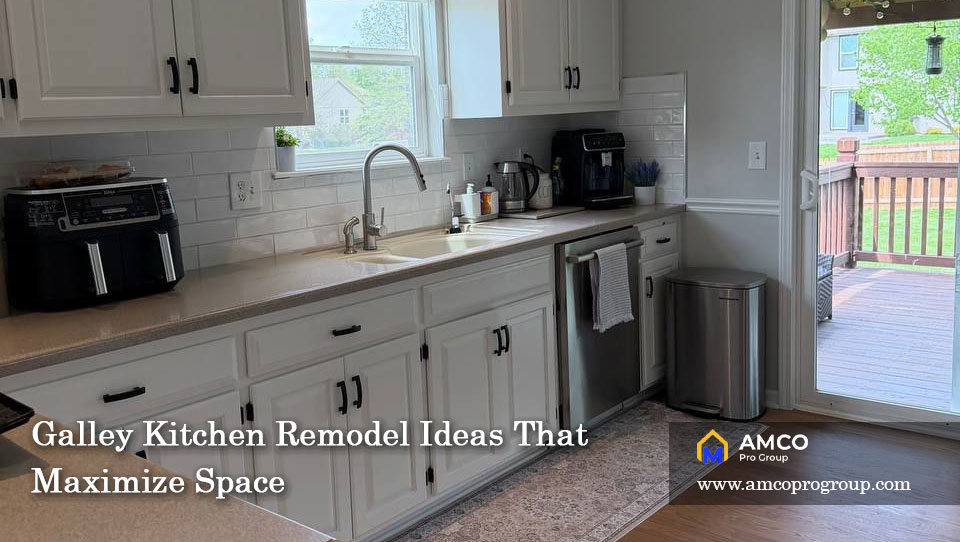
Most galley kitchens tend to feel smaller than they actually are, largely because they were originally designed without accommodating the storage demands and lifestyle expectations of modern homeowners. The encouraging reality, however, is that a thoughtfully executed galley kitchen remodel has the potential to transform even the narrowest layout into a space that feels noticeably larger, significantly brighter, and far more functional in everyday use. The true objective is not to alter the fundamental shape of the kitchen, but rather to maximize every available inch—an approach also explored in our guide to clever kitchen layouts for small homes.
Why Galley Kitchens Are Perfect for Smart Remodeling
Although many homeowners initially perceive a galley kitchen layout as restrictive or outdated, it is, in fact, one of the most inherently efficient kitchen configurations when approached with proper planning and design strategy. Because all essential work zones are positioned along two parallel counters, everything remains within close reach, naturally improving workflow efficiency and creating a streamlined cooking experience.
The primary objective of any successful galley kitchen remodel should therefore be clear and focused: enhance storage capacity, preserve unobstructed walkway space, and introduce a greater sense of visual openness without compromising the kitchen’s core functionality.
What Defines a Galley Kitchen Layout
A galley kitchen is defined by two parallel countertops facing one another, separated by a central walkway that serves as the primary circulation path. This narrow kitchen layout performs optimally when the pathway remains unobstructed and appliances are positioned with careful consideration for both ergonomics and workflow efficiency.
To ensure the design functions effectively, it is essential to maintain a compact and logical work triangle, prevent cabinet overcrowding, and prioritize practical kitchen storage solutions over purely decorative elements that may visually or physically restrict the space.
Common Space Challenges in Galley Kitchens
Many small galley kitchens face recurring challenges, including limited counter space, constrained appliance placement, insufficient pantry storage, and inadequate lighting design. Upper cabinets installed on both sides can contribute to a boxed-in or tunnel-like atmosphere, while the absence of well-designed storage systems often leads to countertop clutter.
By identifying and addressing these common small kitchen limitations early in the remodeling process, homeowners can implement smarter, more intentional design solutions that significantly improve both usability and visual balance.
Why the Right Remodel Can Transform a Narrow Kitchen
When approached with strategic planning and thoughtful material selection, even the narrowest kitchen can feel refined and efficient—especially when guided by experienced renovation experts leawood. A well-executed remodel enhances storage capacity, increases natural and artificial light distribution, and facilitates smoother traffic flow throughout the space.
Ultimately, a successful galley kitchen remodel centers on optimizing layout efficiency and selecting finishes aligned with modern kitchen design ideas that still feel timeless.
Layout Ideas That Make a Galley Kitchen Feel Bigger
Among all design considerations, the layout has the most substantial impact on how open and spacious a galley kitchen appears. Even relatively minor structural or spatial adjustments can dramatically increase usable workspace and allow for improved light circulation.
Opening One Wall for a Semi-Open Kitchen
Partially removing or modifying one wall can instantly modernize a galley kitchen and significantly enhance its sense of openness. Expanding sightlines not only allows more natural light to filter into the space but also visually connects the kitchen to adjacent living or dining areas, creating the impression of a larger footprint.
Even modest structural changes, such as incorporating a partial wall opening or adding a compact breakfast bar, can achieve a noticeably more open and contemporary kitchen design.
Removing Upper Cabinets on One Side
When upper cabinets are installed on both parallel walls, they often create a confined, tunnel-like effect that emphasizes the kitchen’s narrow dimensions. Removing cabinets on one side and replacing them with open shelving, a window, or a minimalist design feature can substantially reduce visual weight and enhance brightness.
This approach remains one of the most effective small kitchen remodel ideas for cultivating a greater sense of openness without expanding the physical footprint.
Extending Counters for Extra Workspace
In any limited-width kitchen remodel, adequate counter space is fundamental to both functionality and comfort. Extending countertops slightly, adding a compact peninsula, or incorporating fold-down surfaces can significantly improve food preparation areas without obstructing the central walkway.
An increase in usable prep space directly translates into a more efficient and practical kitchen environment.
Using Pass-Through Windows or Breakfast Bars
When extensive structural renovations are not feasible, integrating a pass-through window offers an effective alternative for increasing light and connectivity. This design feature improves interaction between the kitchen and adjacent spaces while reducing the sense of enclosure commonly associated with galley layouts.
Space‑Saving Cabinet and Storage Ideas
The perceived size of a galley kitchen is largely determined by how effectively storage is integrated into the design. Well-planned cabinetry has the capacity to double usable storage without requiring any expansion of the existing footprint.
Tall Cabinets That Use Vertical Space
In many small kitchens, vertical space remains underutilized despite its significant storage potential. Installing tall cabinets or full-height pantry units maximizes vertical capacity while preserving a clean, cohesive appearance.
This strategy proves particularly effective in narrow kitchen remodel projects where floor space is limited but ceiling height can be leveraged to compensate.
Pull‑Out Pantry Cabinets for Narrow Kitchens
Pull-out pantry cabinets are especially advantageous in tight galley layouts, as they provide efficient storage access without encroaching on walkway space. Slim pull-out systems, vertical spice racks, and deep drawer configurations allow homeowners to organize items systematically while maintaining smooth traffic flow.
These specialized galley kitchen storage solutions enhance accessibility and efficiency within compact environments.
Drawer Organizers and Hidden Storage Solutions
Visual clutter can significantly diminish the perceived size of a kitchen. Incorporating built-in drawer organizers, concealed trash compartments, and pull-out corner mechanisms promotes organization while freeing valuable counter space.
For homeowners seeking advanced optimization, integrating tailored small kitchen storage solutions directly into cabinetry design can dramatically improve long-term functionality.
Open Shelving to Reduce Visual Clutter
Strategically placed open shelving on one side of a galley kitchen can introduce visual lightness and create the illusion of added width. When styled with restraint and consistency, open shelving maintains practicality while minimizing the bulky appearance associated with traditional upper cabinetry.
Smart Appliance Choices for Galley Kitchens
Appliance selection must align proportionally with the dimensions of the space. Oversized models can disrupt traffic flow, restrict movement, and reduce essential workspace in already compact layouts.
Compact or Panel‑Ready Appliances
Selecting compact or panel-ready appliances is often ideal for a small galley kitchen, as these options maintain a streamlined aesthetic while preserving spatial balance. A 24-inch dishwasher, counter-depth refrigerator, or integrated appliance design ensures that the layout remains proportional and visually cohesive.
Such selections enhance both performance efficiency and overall kitchen appearance.
Slim Dishwashers and Narrow Refrigerators
Opting for a narrow refrigerator and slim-profile dishwasher increases walkway clearance and reduces spatial congestion in tight environments. Counter-depth models are particularly effective in maintaining a flush alignment with cabinetry, which contributes to a more seamless galley kitchen design.
Appropriate appliance sizing is frequently overlooked, yet it plays a pivotal role in maximizing usable space.
Built‑In Appliances That Save Counter Space
Built-in microwaves, wall-mounted ovens, and integrated ventilation systems help eliminate unnecessary countertop clutter while maintaining a clean, uninterrupted surface. Clear counters not only improve functionality but also contribute significantly to the perception of spaciousness.
Multi‑Purpose Appliances for Small Kitchens
In compact kitchens, multi-functional appliances provide substantial value by reducing the need for additional equipment. Combination ovens and advanced range models with expanded capabilities minimize spatial demands while preserving versatility.
For further guidance, homeowners should consider reviewing compact kitchen appliances specifically engineered for small-space efficiency.
Design Tricks That Make Narrow Kitchens Look Larger
Beyond structural layout and storage improvements, visual design decisions exert a powerful influence on how spacious a galley kitchen ultimately feels.
Light Cabinet Colors and Reflective Finishes
Light-toned cabinetry, including white, soft gray, and warm neutral shades, reflects both natural and artificial light, contributing to a brighter and more expansive atmosphere. When paired with light quartz countertops or carefully selected finishes from our modern luxury home materials guide, the overall effect is a noticeably more open interior.
These elements consistently appear in leading modern galley kitchen design trends due to their space-enhancing qualities.
Continuous Flooring to Create Visual Flow
Installing continuous flooring throughout adjacent living spaces eliminates visual interruptions and makes a narrow kitchen appear longer and more integrated. Wide-plank flooring and seamless transitions prevent the eye from stopping abruptly, thereby creating a sense of uninterrupted depth.
This method remains a highly recommended technique in small kitchen remodel ideas aimed at enhancing perceived scale.
Strategic Lighting for Depth and Brightness
A layered lighting approach significantly improves both functionality and spatial perception, as outlined in our modern interior lighting ideas guide. Under-cabinet lighting minimizes shadows, recessed ceiling fixtures brighten circulation zones, and pendant lights introduce vertical dimension and focal interest.
For a more comprehensive strategy, reviewing professional kitchen lighting design tips can ensure balanced illumination and refined ambiance.
Mirror or Glossy Backsplashes for Added Light
Reflective backsplash materials, such as glossy subway tiles or glass surfaces, distribute light throughout the room and subtly widen the visual field. This relatively simple upgrade can produce a dramatic improvement in perceived space without requiring extensive construction or structural modification.
Conclusion
A well-planned galley renovation can transform even the narrowest layout into a functional, modern, and visually open space. By prioritizing efficient layouts, smart storage solutions, compact appliances, and light-enhancing materials, homeowners can significantly improve both usability and the perceived size of a small kitchen.
Instead of viewing a galley layout as a limitation, it should be seen as an opportunity to create one of the most efficient kitchen designs. Thoughtful choices—such as maximizing vertical storage and optimizing lighting—can turn a tight kitchen into a comfortable workspace, particularly when working with professionals offering modern interior design services leawood.


